
Positive parenting focuses on understanding children’s behavior, setting healthy boundaries, and building a relationship based on trust and respect. The right book can help parents handle tantrums, reduce daily arguments, communicate more effectively, and respond to difficult moments with greater confidence.
This list brings together 15 books on positive parenting, covering discipline, emotional development, parent-child communication, and practical ways to navigate common family challenges. The books are listed in no particular order.
-
#01
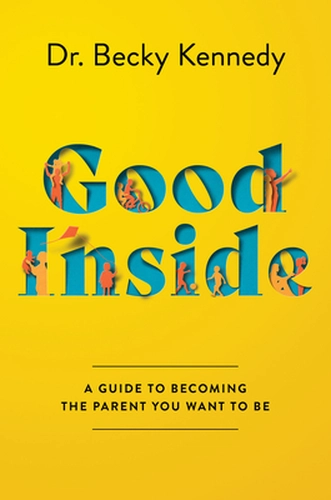
Good Inside: A Guide to Becoming the Parent You Want to Be
Parenting gets harder when every difficult moment turns into a battle over behavior. Becky Kennedy offers a practical approach to understanding what drives children’s reactions while helping parents set boundaries and build stronger connections.
Best for: Parents who want to handle challenging behavior without relying on constant punishment. -
#02
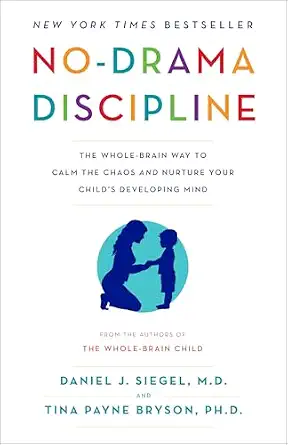
No-Drama Discipline
Discipline can become a cycle of anger, punishment, and repeated arguments. This book helps parents respond to misbehavior in ways that teach children, address emotions, and encourage better choices over time.
Best for: Parents who want to correct behavior without turning every incident into a confrontation. -
#03
 Add to Cart
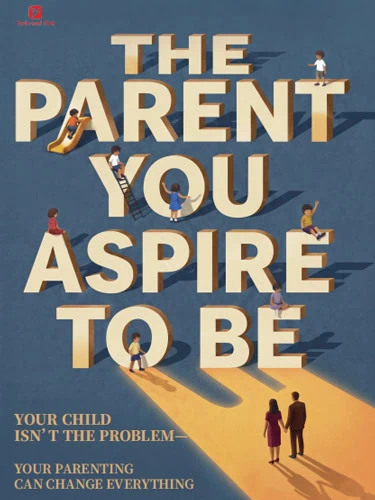
The Parent You Aspire to Be
When your child keeps arguing, ignores instructions, or reacts in ways you cannot understand, it is easy to lose patience and fall into the same conflicts every day. This book helps parents reconsider their responses, understand the struggles behind difficult behavior, and approach everyday challenges with greater clarity.
Best for: Parents who feel stuck in repeated arguments with their children and want more effective ways to respond. -
#04
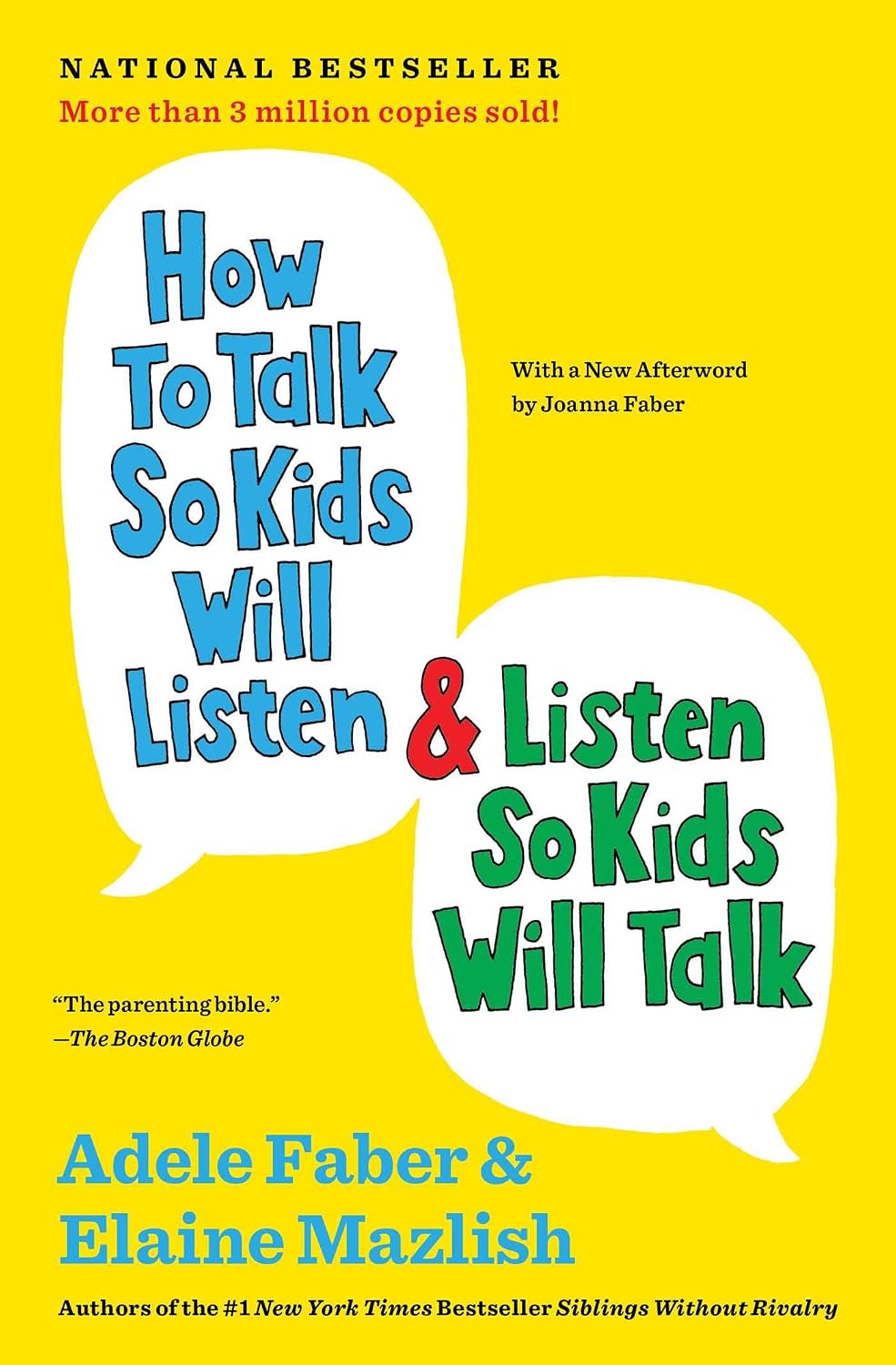
How to Talk So Kids Will Listen & Listen So Kids Will Talk
Good intentions do not always lead to good conversations. This classic offers practical ways to acknowledge children’s feelings, encourage cooperation, set limits, and resolve disagreements with less hostility.
Best for: Parents whose children resist instructions or shut down during difficult conversations. -
#05
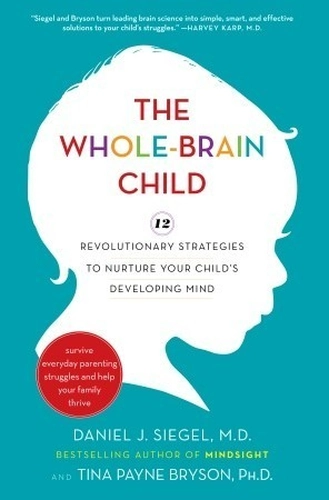
The Whole-Brain Child
Children can react intensely before they have the skills to manage their emotions. This book connects child development with everyday parenting strategies, helping adults understand emotional outbursts and support healthier responses.
Best for: Parents who want to understand the emotions and developmental needs behind their children’s behavior. -
#06
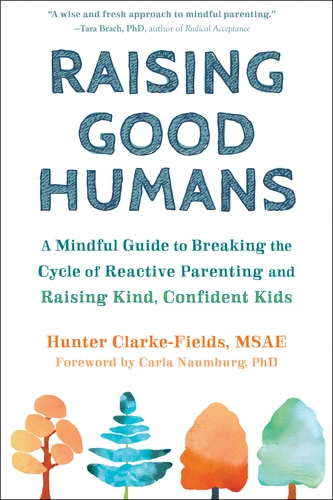
Raising Good Humans
Stress can make parents react in ways they later regret, even when they know a calmer response would be better. This book focuses on mindfulness, breaking reactive habits, and creating more thoughtful interactions with children.
Best for: Parents who want to reduce yelling and respond more calmly under pressure. -
#07
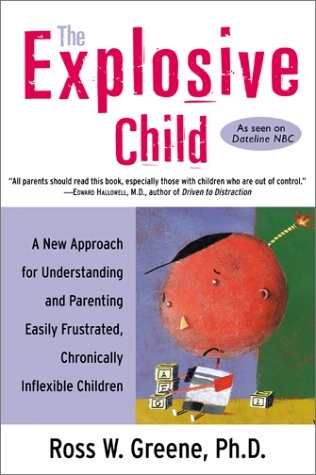
The Explosive Child
Some children struggle with frustration, flexibility, and unexpected changes, leading to intense conflicts at home. Greene encourages parents to identify the problems contributing to these moments and work with children toward practical solutions.
Best for: Families dealing with frequent meltdowns, explosive reactions, or recurring power struggles. -
#08
Peaceful Parent, Happy Kids
A calmer household often begins with how parents manage their own emotions. Markham combines emotional self-regulation, connection, and clear boundaries to help families reduce conflict without giving up parental authority.
Best for: Parents who want to stop yelling, reduce power struggles, and build better cooperation. -
#09
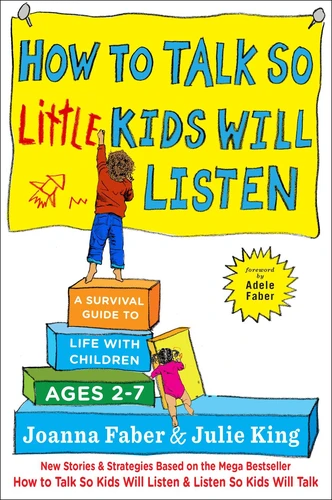
How to Talk So Little Kids Will Listen
Getting a young child dressed, ready for bed, or through a daily routine can quickly become a struggle. This book provides concrete communication techniques for common challenges involving children ages two to seven.
Best for: Parents of toddlers and preschoolers who need practical solutions for everyday resistance. -
#10
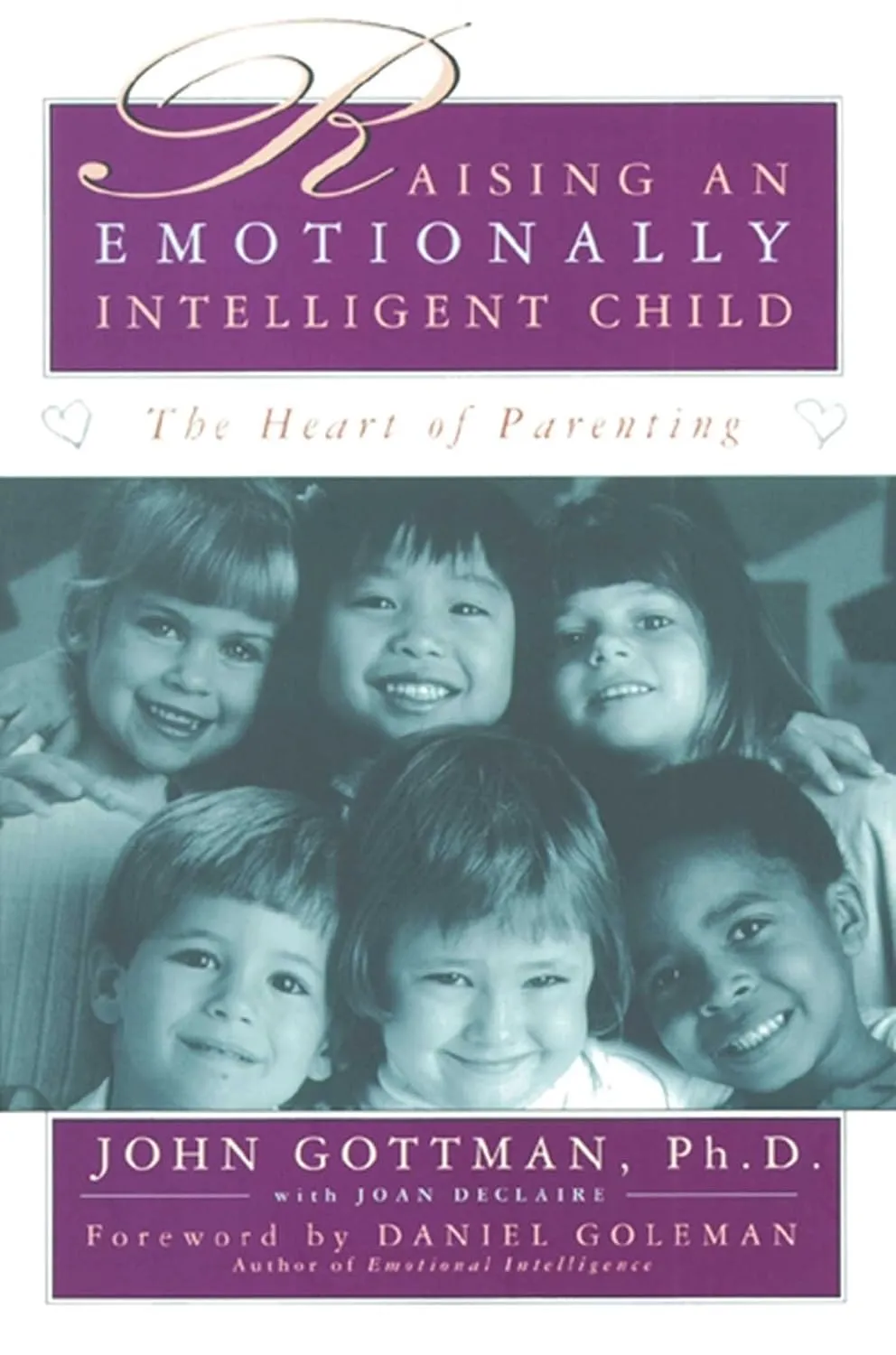
Raising an Emotionally Intelligent Child
Children need help learning how to recognize, express, and manage difficult feelings. This book introduces emotion coaching as a way for parents to listen empathetically while still setting appropriate limits and helping children solve problems.
Best for: Parents who want to help children handle anger, disappointment, and frustration more constructively. -
#11
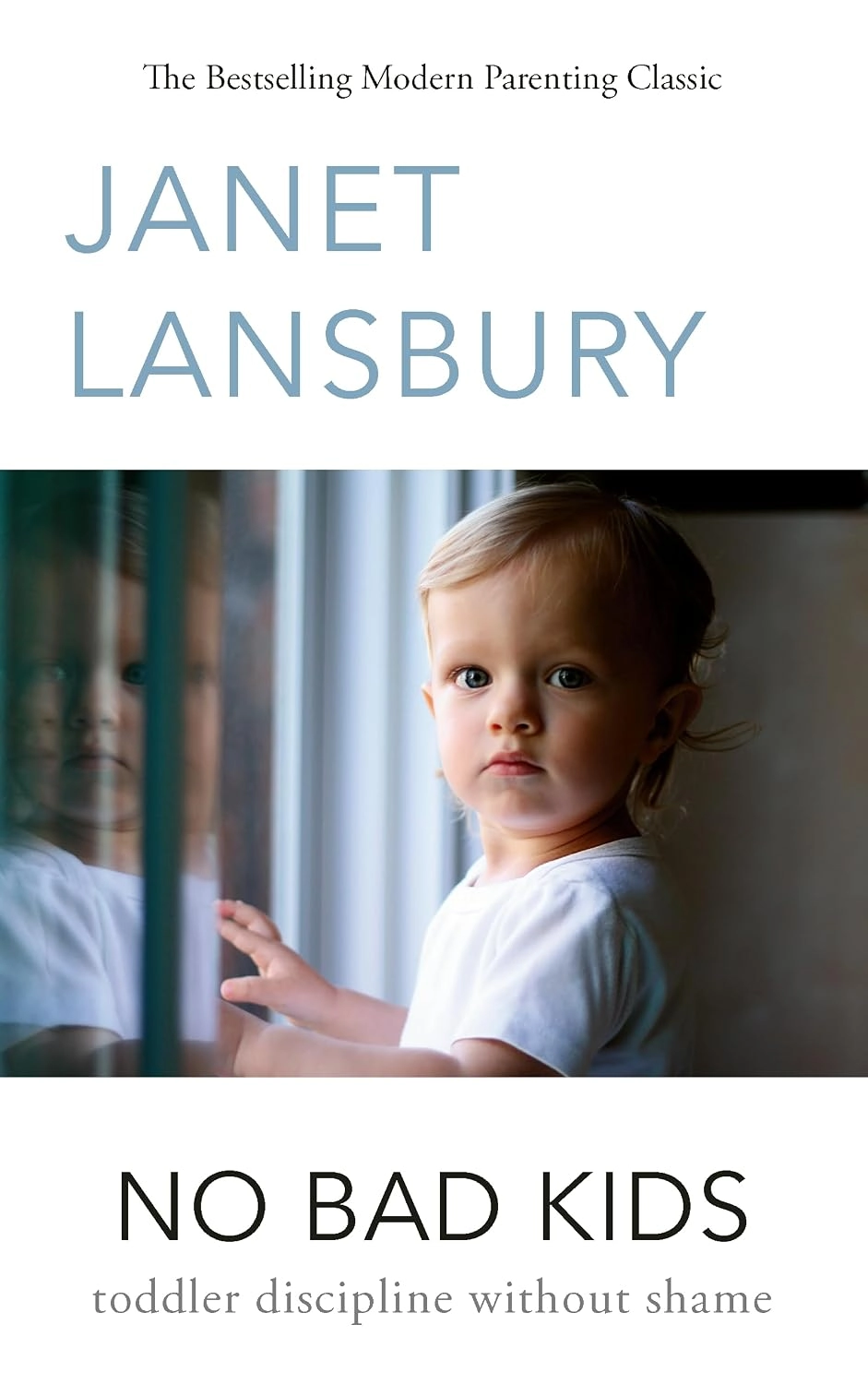
No Bad Kids: Toddler Discipline Without Shame
Toddlers often test boundaries before they can fully understand expectations or control their impulses. Lansbury offers a respectful approach to common behaviors such as hitting, tantrums, resistance, and boundary testing.
Best for: Parents who want to set firm limits without shaming or constantly negotiating with toddlers. -
#12
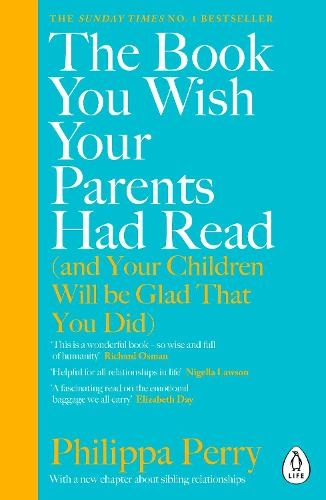
The Book You Wish Your Parents Had Read
The way adults were raised can influence how they respond to their own children, especially during stressful moments. Perry encourages parents to examine their emotional patterns, understand relationship dynamics, and avoid repeating unhelpful habits.
Best for: Parents who want to understand their own reactions and build a healthier relationship with their children. -
#13
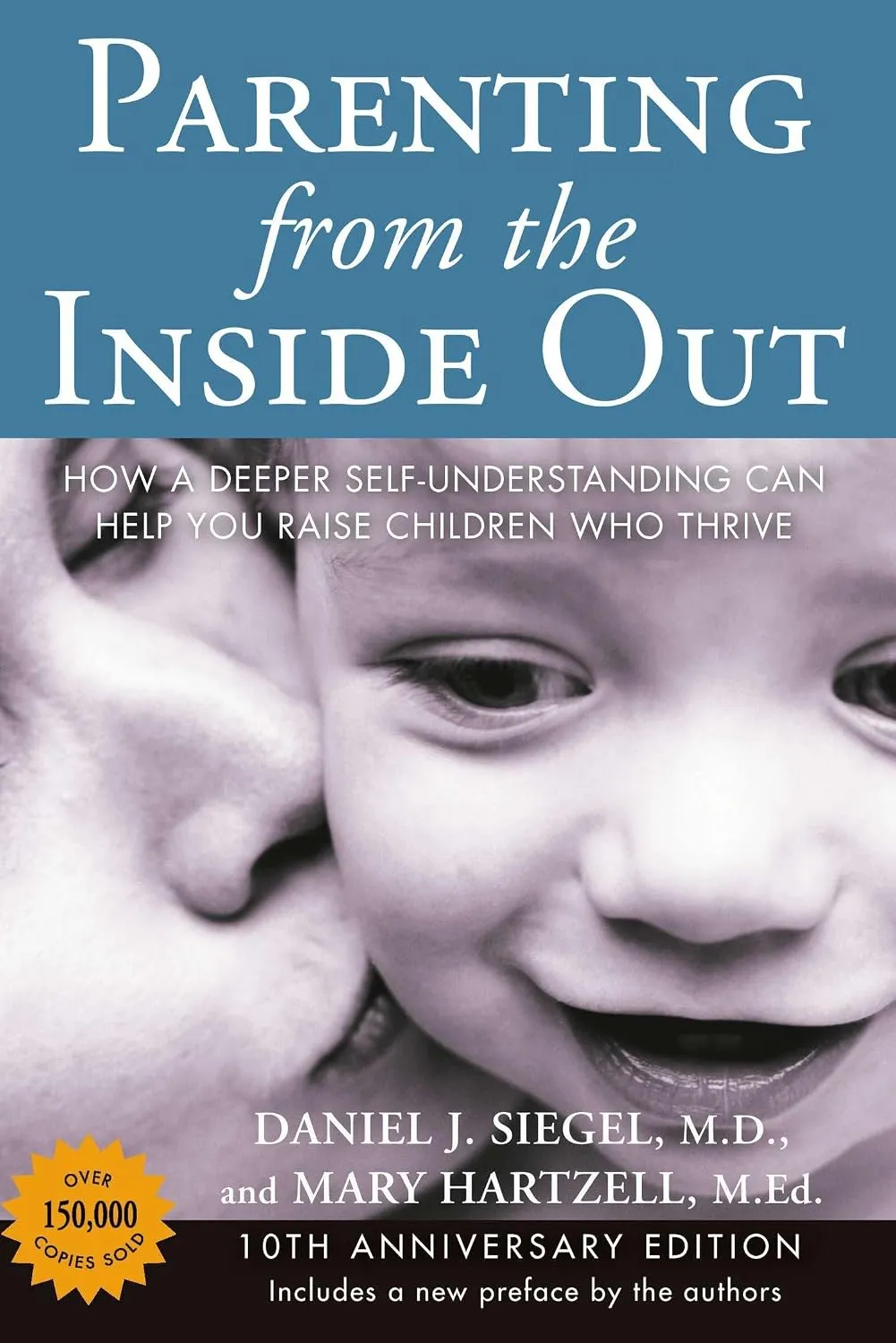
Parenting from the Inside Out
Past experiences can shape how parents interpret a child’s behavior and respond to conflict. This book connects self-understanding with child development, helping readers recognize patterns that may affect their parenting.
Best for: Parents who notice themselves repeating the same reactions they experienced growing up. -
#14
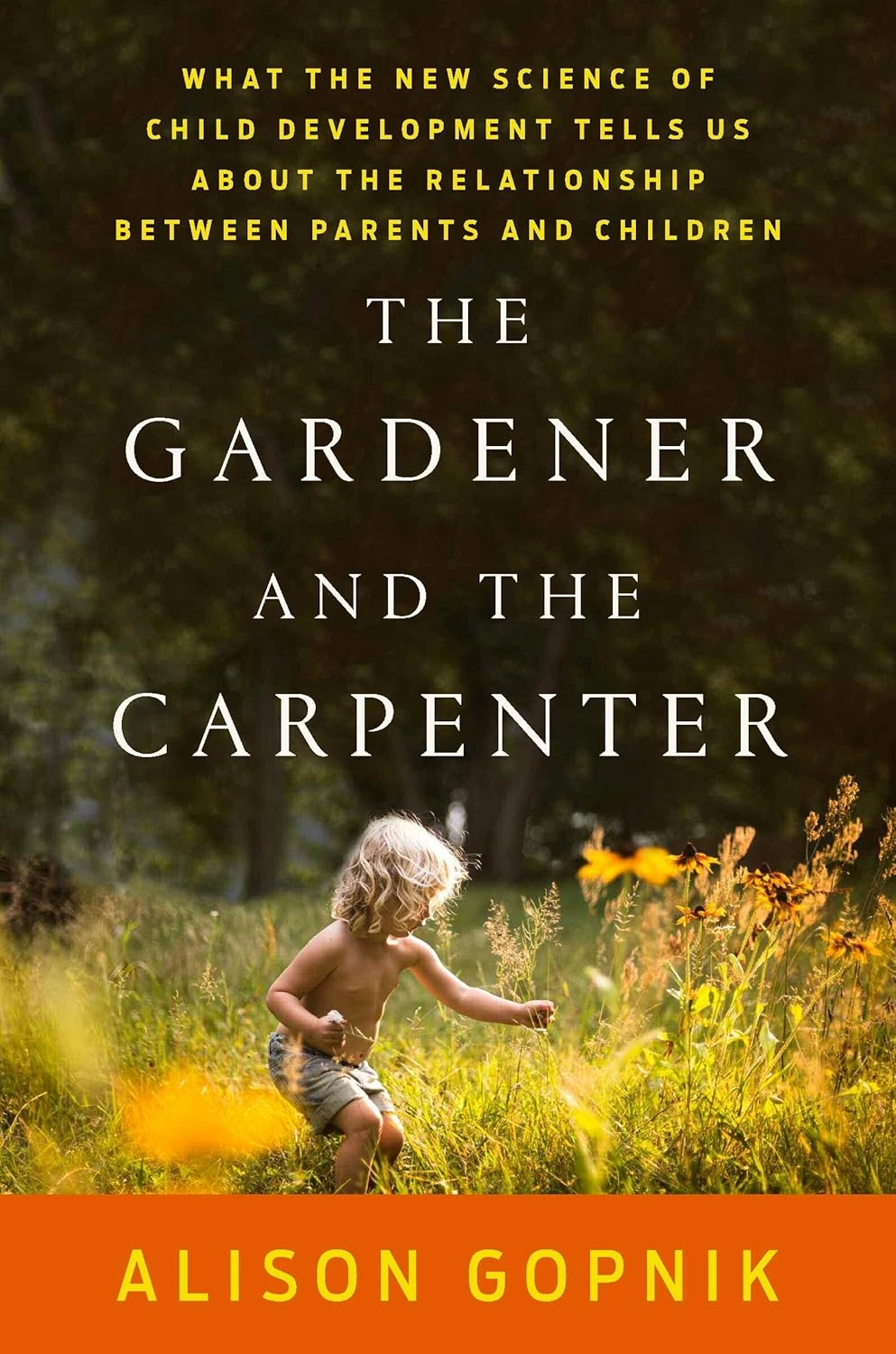
The Gardener and the Carpenter
Parents can feel pressure to shape every aspect of a child’s future. Gopnik challenges the idea that successful parenting means controlling every outcome and considers how children learn through exploration, relationships, and experience.
Best for: Parents who want a broader perspective on child development and the limits of parental control. -
#15
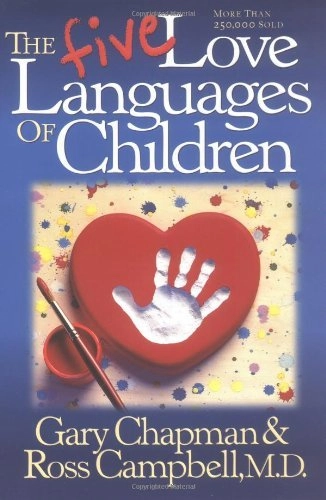
The 5 Love Languages of Children
Parents may express love in ways that do not always make their children feel understood. This book encourages parents to pay attention to how children respond to affection, time together, encouragement, gifts, and acts of service.
Best for: Parents who want to strengthen emotional connection and help their children feel valued.