
Self-improvement can mean building better habits, becoming more confident, managing your emotions, or learning to stop repeating the same patterns. The best book for you depends on what you want to change and what has been holding you back.
This list brings together 20 self-improvement books covering personal growth, mindset, productivity, emotional well-being, relationships, and self-awareness. Some offer practical systems for changing daily habits, while others help you rethink your choices and understand yourself more clearly. The books are listed in no particular order.
-
#01
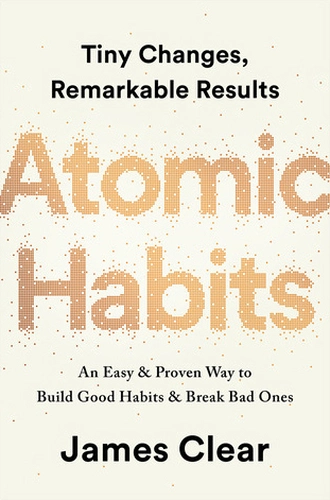
Atomic Habits
Big changes often begin with small actions repeated consistently. James Clear presents a practical approach to building useful routines, breaking unwanted habits, and designing your environment to make better choices easier.
Best for: Readers who want to become more consistent and turn good intentions into lasting habits. -
#02
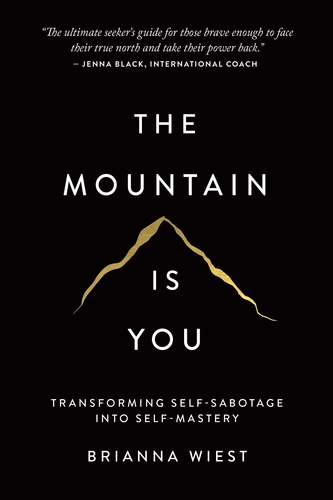
The Mountain Is You
Sometimes the hardest obstacles to overcome are the patterns you keep returning to. This book examines self-sabotage, emotional reactions, and the internal conflicts that can prevent people from moving forward.
Best for: Readers who feel stuck in familiar patterns and want to understand what is holding them back. -
#03
 Add to Cart
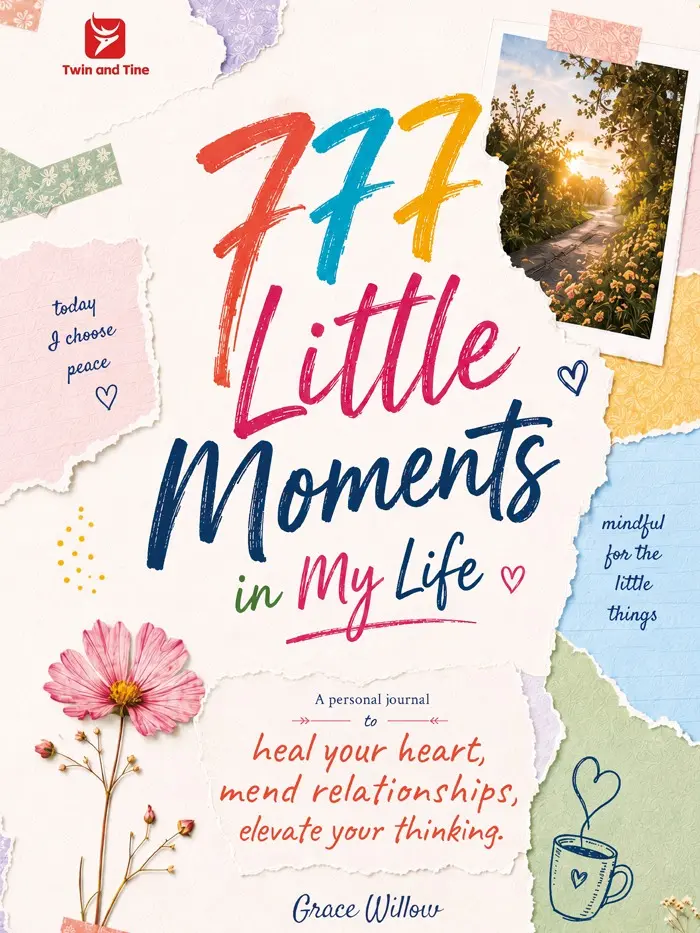
777 Little Moments in My Life
It is easy to move through life without stopping to understand what you feel, what you need, or why certain experiences stay with you. This collection of reflection prompts helps readers examine relationships, personal experiences, emotional struggles, and the small details that reveal who they are.
Best for: Readers who want to understand themselves better, process difficult feelings, and make time for meaningful reflection. -
#04
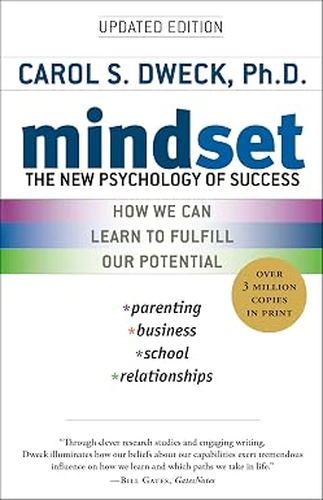
Mindset: The New Psychology of Success
The beliefs you hold about your abilities can influence how you respond to mistakes, criticism, and new challenges. Carol Dweck explores how different mindsets affect learning and achievement, encouraging readers to approach difficulties as opportunities to develop.
Best for: Readers who want to become more open to learning and less afraid of failure. -
#05
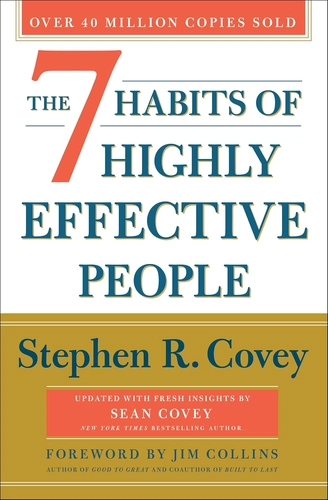
The 7 Habits of Highly Effective People
Personal improvement requires more than getting through a longer to-do list. Covey introduces principles for taking responsibility, setting priorities, communicating effectively, and aligning daily decisions with long-term goals.
Best for: Readers who want a structured approach to improving their personal and professional lives. -
#06
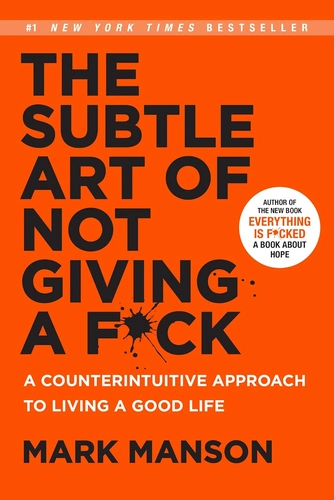
The Subtle Art of Not Giving a F*ck
Trying to satisfy everyone and avoid every uncomfortable experience can leave little energy for what truly matters. Manson challenges readers to reconsider their priorities, accept life’s difficulties, and become more selective about where they invest their attention.
Best for: Readers who feel overwhelmed by expectations and want to focus on what matters most. -
#07
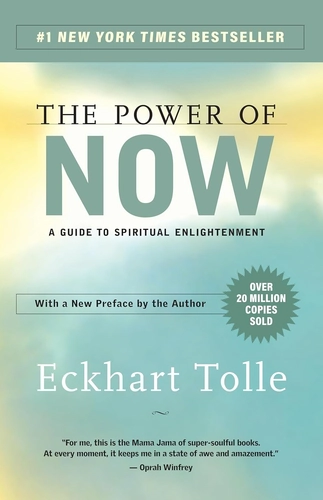
The Power of Now
Regret about the past and worry about the future can make it difficult to experience the present. Tolle encourages readers to observe their thoughts and develop greater awareness of the moment rather than becoming consumed by constant mental activity.
Best for: Readers interested in mindfulness, inner awareness, and a calmer relationship with their thoughts. -
#08
 Add to Cart
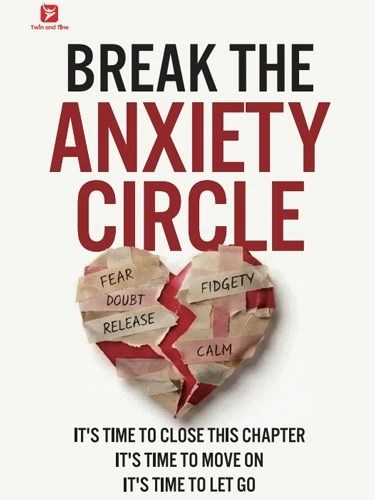
Break the Anxiety Circle
A conversation can end hours ago, yet your mind keeps replaying what you said, what someone meant, and what you should have done differently. This book addresses recurring overthinking, self-blame, people-pleasing, and difficulty letting go, helping readers recognize unhelpful patterns and respond to them more constructively.
Best for: Readers who overanalyze everyday situations, struggle to switch off their thoughts, or put other people’s needs ahead of their own. -
#09
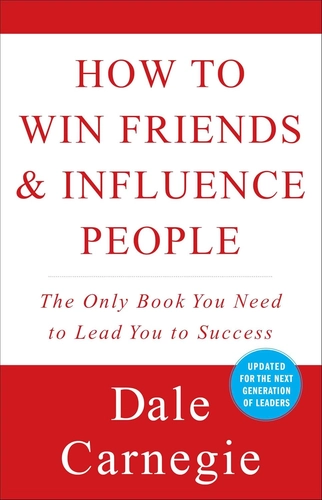
How to Win Friends and Influence People
The way you listen, respond, and handle disagreements can shape your relationships and opportunities. Carnegie offers practical principles for understanding other people, communicating with greater consideration, and building stronger connections.
Best for: Readers who want to improve their communication skills and feel more confident in social situations. -
#10
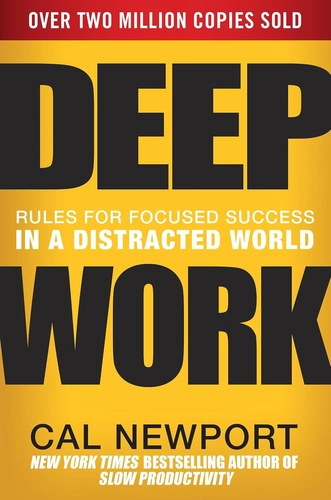
Deep Work
Constant notifications and interruptions make it difficult to give important tasks your full attention. Newport explains the value of concentrated effort and presents strategies for protecting time, reducing distractions, and producing higher-quality work.
Best for: Readers who struggle with distraction and want to improve their concentration and productivity. -
#11
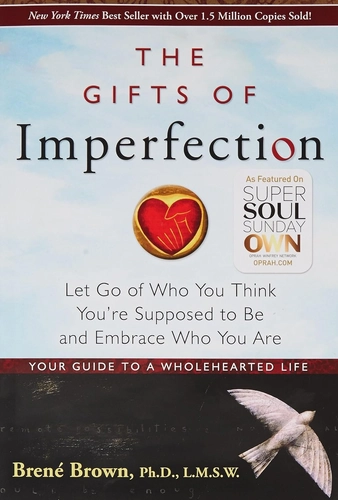
The Gifts of Imperfection
The pressure to appear successful, capable, and put together can make it difficult to accept yourself as you are. Brown explores authenticity, vulnerability, and self-compassion, encouraging readers to let go of unrealistic expectations and develop a healthier relationship with themselves.
Best for: Readers dealing with perfectionism, comparison, or the feeling that they are never good enough. -
#12
 Add to Cart
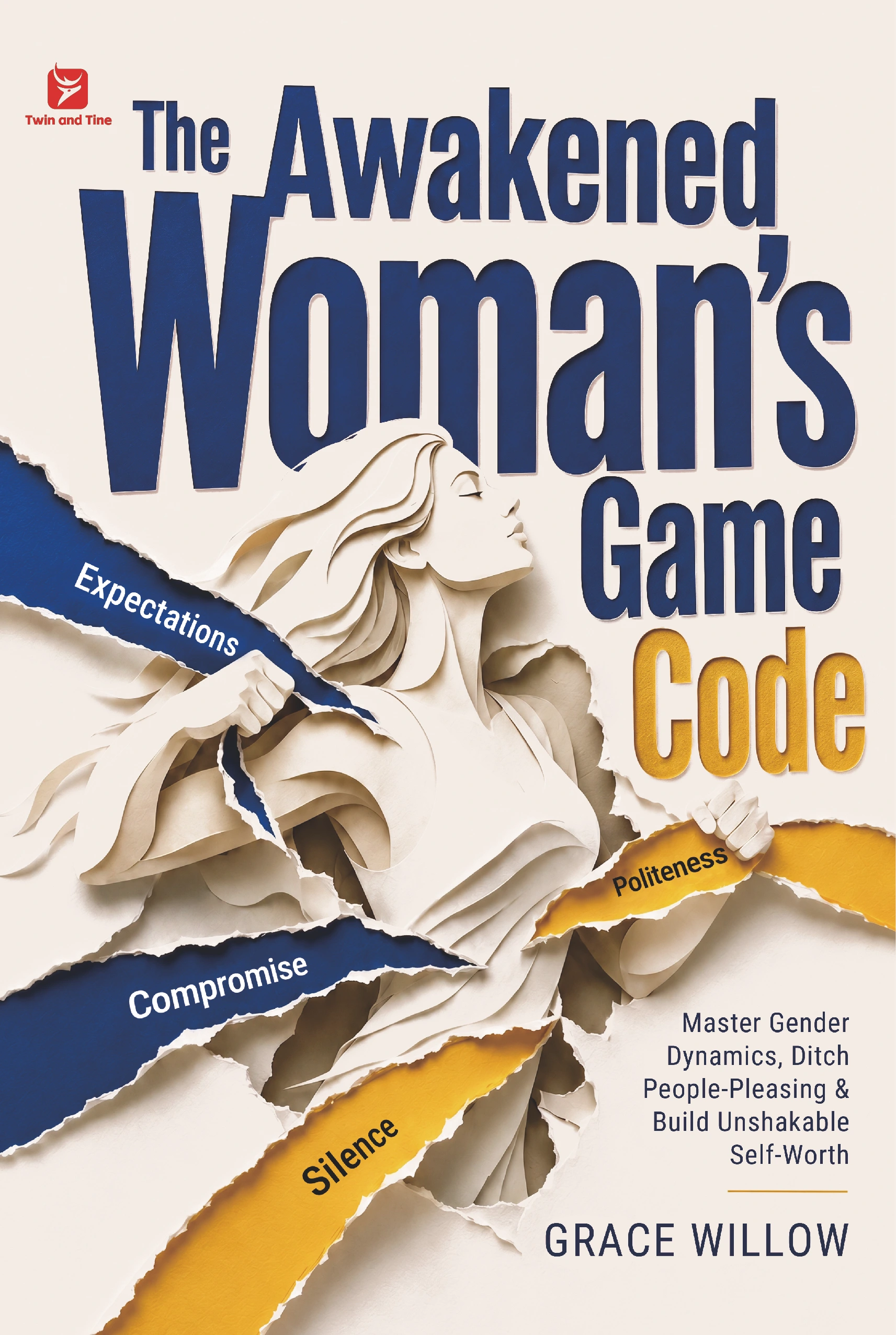
The Awakened Woman’s Game Code
Being caring and accommodating does not guarantee that other people will appreciate your effort. This book examines the dynamics of attraction, respect, boundaries, and independence, helping women recognize relationship patterns that can leave their needs and contributions overlooked.
Best for: Women who want to strengthen their self-worth, stop people-pleasing, and establish healthier boundaries in relationships. -
#13
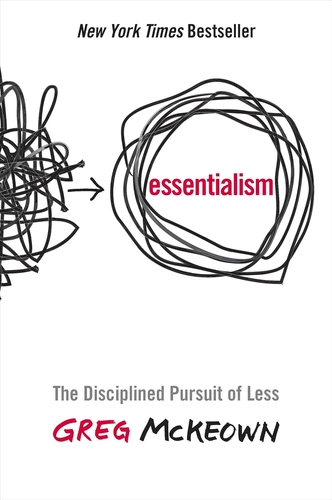
Essentialism: The Disciplined Pursuit of Less
Being busy does not always mean making meaningful progress. McKeown encourages readers to distinguish essential commitments from unnecessary demands, make deliberate choices about their time, and concentrate on fewer things that matter more.
Best for: Readers who feel stretched too thin and want to simplify their responsibilities. -
#14
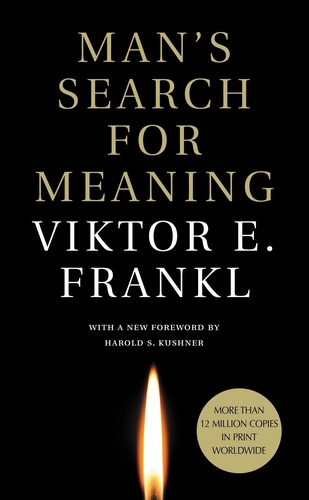
Man’s Search for Meaning
Drawing on his experiences as a Holocaust survivor and psychiatrist, Frankl reflects on suffering, purpose, and the human search for meaning. His work offers a deeper perspective on how people find reasons to continue through difficult circumstances.
Best for: Readers reflecting on life’s purpose, personal hardship, and what makes life meaningful. -
#15
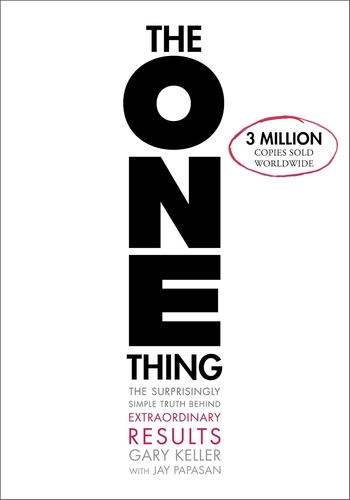
The ONE Thing
When too many priorities compete for your attention, progress can become scattered. This book encourages readers to identify the action that will make the greatest difference and use it to guide their decisions and long-term goals.
Best for: Readers who want to stop spreading themselves too thin and make measurable progress. -
#16
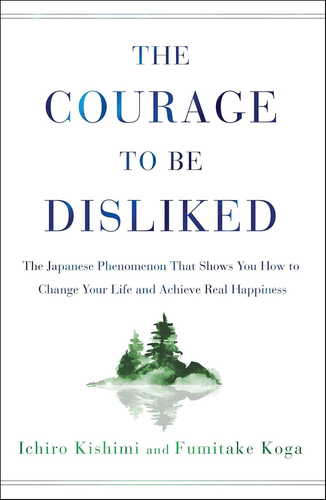
The Courage to Be Disliked
The desire for approval can influence decisions, relationships, and even the goals you pursue. Through a dialogue grounded in Adlerian psychology, the authors examine personal responsibility, freedom from comparison, and the challenge of living according to your own values.
Best for: Readers who struggle with other people’s opinions or feel compelled to meet everyone else’s expectations. -
#17
 Add to Cart
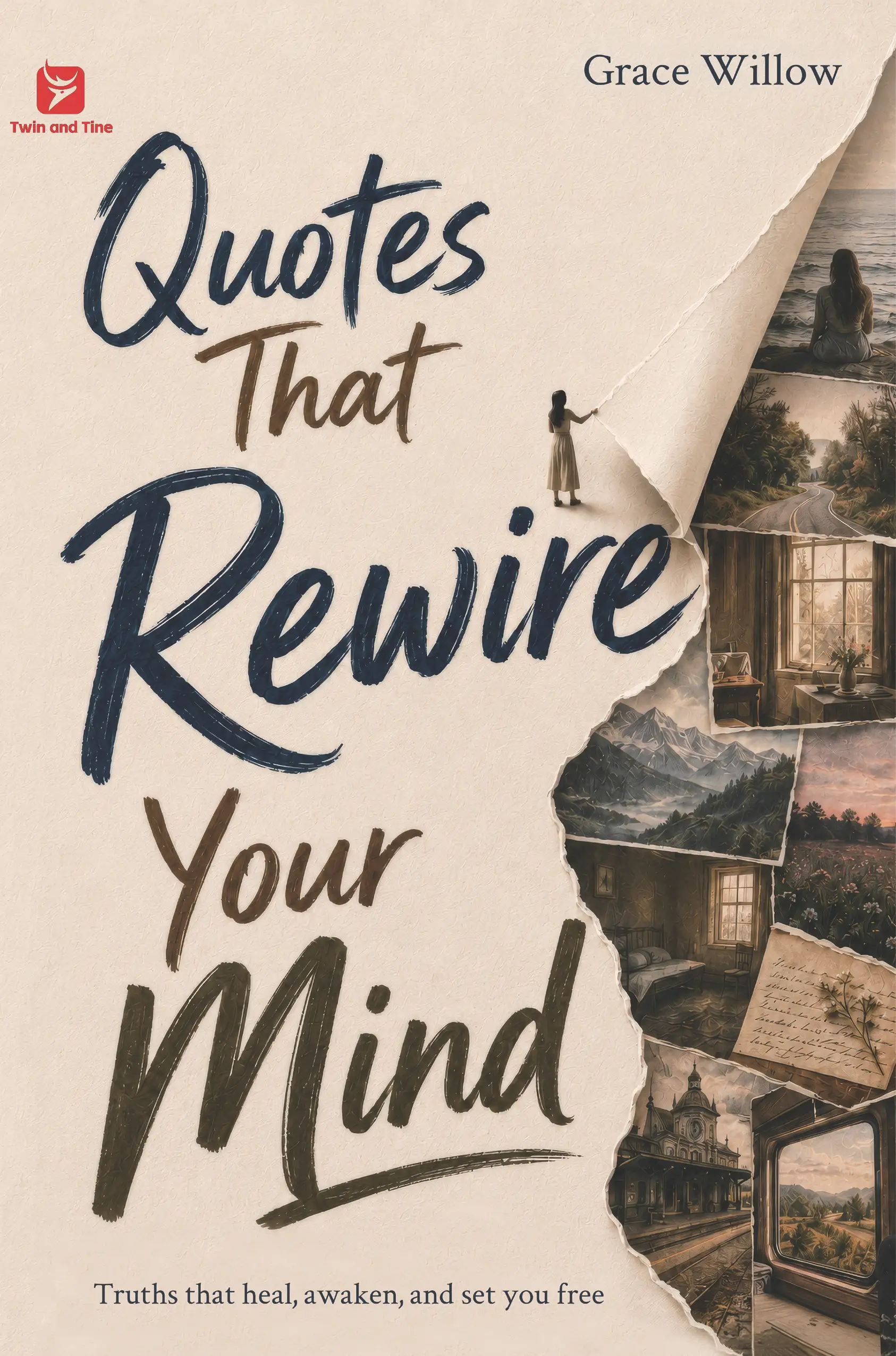
Quotes That Rewire Your Mind
Sometimes a familiar thought keeps returning because you have never found a different way to look at it. This collection brings together short reflections on overthinking, relationships, regret, personal growth, and self-worth, offering readers new perspectives to return to when they need clarity.
Best for: Readers who want brief, thoughtful reminders to reconsider unhelpful thinking and navigate difficult emotions. -
#18
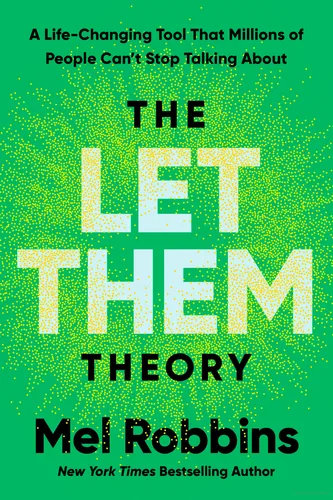
The Let Them Theory
Trying to manage other people’s opinions, reactions, and decisions can consume energy that could be spent improving your own life. This book encourages readers to release unnecessary control, establish healthier boundaries, and focus on the choices that remain theirs to make.
Best for: Readers who overthink other people’s reactions or feel responsible for keeping everyone happy. -
#19
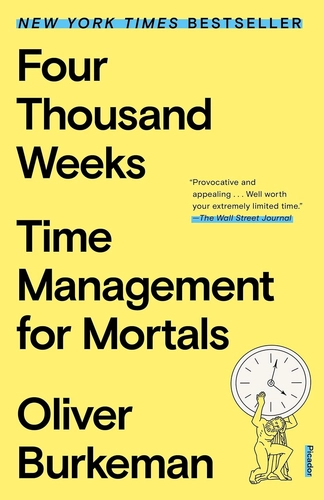
Four Thousand Weeks: Time Management for Mortals
There will always be more tasks, ambitions, and opportunities than any one person can fit into a lifetime. Burkeman challenges the pursuit of perfect productivity and encourages readers to accept their limitations and make more deliberate choices about how they spend their time.
Best for: Readers who constantly feel behind and want a more realistic approach to productivity and life. -
#20
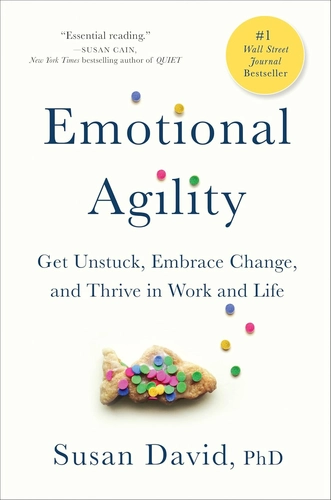
Emotional Agility
Difficult thoughts and feelings can influence decisions when they go unexamined. Susan David explores how people can recognize their emotional experiences without becoming controlled by them, creating more room for thoughtful choices and actions aligned with their values.
Best for: Readers who want to respond to difficult emotions more flexibly and make decisions with greater clarity.