
Sometimes, You Need to Look Back to Understand Yourself
You might notice that you keep saying yes when you want to say no. Maybe a small disagreement leaves you thinking about it long after the other person has moved on. Or perhaps you have achieved something you once wanted, only to discover that it doesn’t make you as happy as you expected.
These moments can tell you something about yourself, but their meaning isn’t always obvious when you’re busy dealing with everyday life. You may react out of habit, follow expectations you’ve carried for years, or judge an old decision without considering what you knew at the time.
Developing self-awareness means becoming curious about these reactions. Instead of immediately asking what’s wrong with you, you can begin asking better questions: What made me respond that way? What was I hoping for? Is this still what I want?
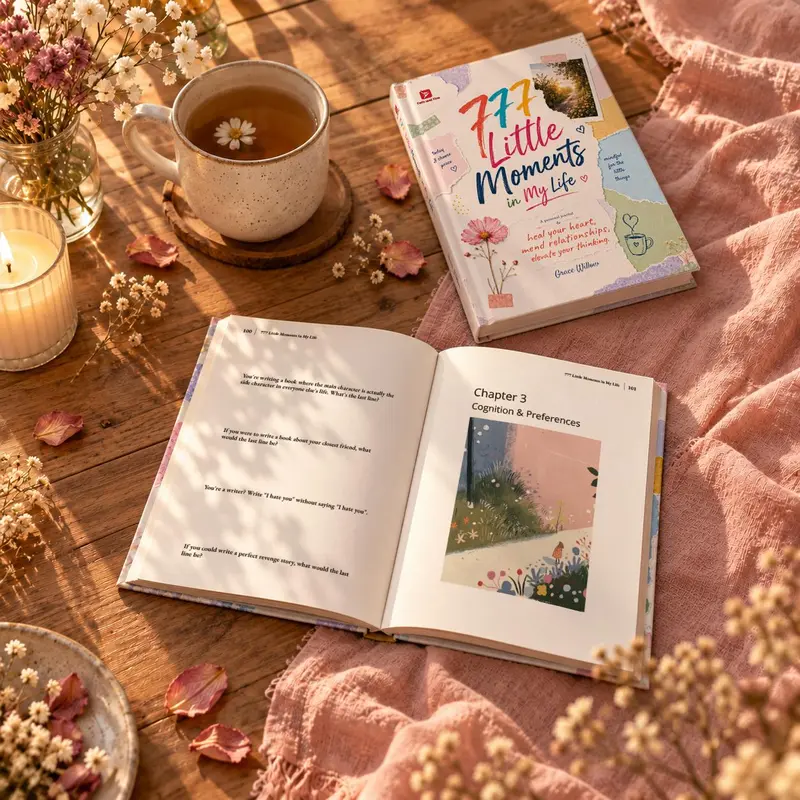
777 Little Moments in My Life: Heal Your Heart, Mend the Relationship and Elevate Your Thinking by Grace Willow offers a guided way to explore these questions. Through reflections on personal memories, relationships, emotional experiences, regrets, and everyday lessons, the book invites you to examine your life with greater attention and understanding.
Your Everyday Reactions Can Tell You More Than You Think
Self-awareness doesn’t always arrive through a dramatic realization. It often begins with ordinary moments that you decide to examine a little more closely.
When a conversation stays in your mind
You keep replaying what someone said or wondering whether you should have responded differently. Reflecting on the moment can help you distinguish what actually happened from what you fear it meant, while revealing which situations make you feel misunderstood or insecure.
When your relationships bring up familiar feelings
You may find yourself avoiding difficult conversations, giving more than you can comfortably offer, or struggling to explain what you need. Looking back at similar experiences can help you recognize recurring responses and consider what you would like to approach differently.
When an old regret still influences you
A past decision may continue to shape how you judge yourself today. Revisiting the experience with the perspective you have now can help you understand the circumstances surrounding that choice and decide what lesson, if any, you want to carry forward.
These are different experiences, but they share one opportunity: you can move beyond simply reacting to your feelings and begin understanding them. That is where reflective journaling becomes useful.

What Makes 777 Little Moments in My Life Different?
A blank notebook gives you room to write, but it also leaves you responsible for deciding what to explore. When you’re unsure where to begin, that freedom can make journaling feel harder than expected.
Grace Willow’s book offers 777 prompts to give your reflection a starting point. Instead of having to invent a question every time you sit down, you can use the guided format to explore different parts of your life.
Personal memories that deserve a second look
Our memories influence how we understand ourselves, but we don’t always revisit them with fresh eyes. Reflecting on past experiences can help you notice what you learned, what you may have misunderstood, and how your perspective has changed.
Relationship experiences that reveal your needs
The way you respond to other people can offer clues about your expectations, boundaries, and emotional needs. Exploring these experiences can help you think more clearly about the relationships you want to build and the ways you want to communicate.
Regrets that can become lessons
It is easy to evaluate an old decision using what you know today. Writing about the circumstances surrounding that choice gives you an opportunity to consider your former perspective, acknowledge what you would do differently, and decide how to move forward.
Everyday experiences that shape your outlook
Self-discovery isn’t limited to major life events. Small disappointments, unexpected moments of happiness, and changes in your priorities can all reveal something about what matters to you. Paying attention to them helps you build a more complete picture of yourself.
Personal growth that starts with honest reflection
Understanding yourself doesn’t mean finding a perfect explanation for everything you do. It means becoming more aware of your thoughts and choices so you can respond with greater intention rather than relying on familiar habits alone.

How to Use the Journal Without Turning It Into Another Obligation
You don’t need to answer every prompt in order, write a certain number of pages, or produce an insightful conclusion each time. The goal is to make space for reflection, not create another standard you feel pressured to meet.
Try approaching the book in a way that fits your life:
- Start with what feels relevant. Choose a prompt that connects with something you have been thinking about recently. You don’t have to begin at the first page or follow a strict schedule.
- Write before you edit yourself. Your first response doesn’t need to sound wise or well organized. Honest observations are often more useful than polished explanations.
- Look for patterns over time. If a similar concern appears in several entries, consider what connects those experiences. You may discover a recurring need, expectation, or reaction that deserves more attention.
- Leave room for changing your mind. An answer you write today may look different six months later. That doesn’t necessarily mean your earlier reflection was wrong; it may mean your understanding has developed.
- Finish with one useful observation. When a prompt brings up a meaningful thought, write down what you want to remember or what small change you might consider making.
Some days, you may write a page. On others, a few sentences may be enough. There is no need to force a breakthrough from every exercise.
Self-Awareness Is Not About Finding Fault With Yourself
When you start paying closer attention to your behavior, it can be tempting to turn every discovery into another reason to criticize yourself. You might notice that you avoid conflict, seek approval, or struggle to let go of past mistakes and immediately decide that these habits make you weak.
A more constructive approach is to ask how those responses developed and whether they still serve you. Perhaps avoiding conflict once helped you feel safer. Maybe seeking approval became a way to feel accepted. Understanding the possible reasons behind a habit doesn’t mean you must keep it; it gives you a more thoughtful starting point for deciding what to change.
This is where the broader focus of 777 Little Moments in My Life can be valuable. It connects self-reflection with emotional healing, relationships, personal memories, and growth rather than treating self-awareness as a checklist of flaws to correct.
The book is best suited to readers who want a broad, guided space to explore their experiences and perspectives. It isn’t a specialized clinical workbook or a step-by-step treatment program for anxiety or other mental health concerns. Its purpose is to support personal reflection, not replace professional help when that is needed.
Begin With One Question You Have Been Avoiding
You don’t have to understand your entire personality to make progress. Start with one recurring reaction, one relationship that has taught you something, or one past experience you now see differently. Give yourself enough time to explore it without rushing toward a conclusion.
777 Little Moments in My Life: Heal Your Heart, Mend the Relationship and Elevate Your Thinking by Grace Willow is a guided journal for readers who want to make that kind of reflection part of their personal growth. Its 777 prompts offer multiple starting points for examining memories, relationships, regrets, and the lessons hidden in ordinary experiences. If you’re ready to become more curious about the person you’ve been, the choices you’ve made, and the person you want to become, this book can give you a place to begin.