
Some books make you question things you’ve believed for years. They change how you see people, how you handle money, and how you understand yourself. The best ones don’t just give you new information. They make familiar things look completely different.
Here are 15 books that can challenge your assumptions and give you a new perspective on everyday life. The books are listed in no particular order.
-
#01
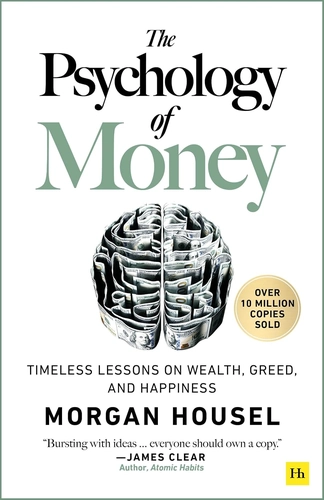
The Psychology of Money
You can know all the right financial advice and still make bad money decisions. The way you handle money is shaped by fear, pride, patience, and the experiences that taught you what financial security means. Morgan Housel shows why building wealth depends as much on behavior as it does on knowledge.
-
#02
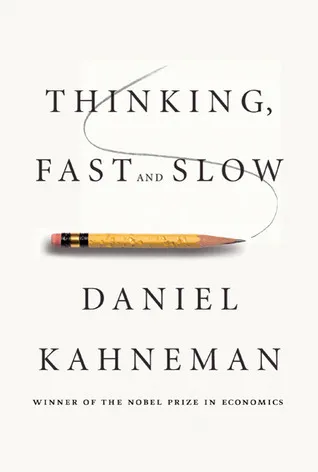
Thinking, Fast and Slow
Your brain can make a decision before you’ve even realized you’re making one. Daniel Kahneman examines the two systems behind human thinking, revealing how quick judgments can lead to mistakes and why careful reasoning doesn’t always come naturally. It’s a useful read for anyone who wants to question their first impressions.
-
#03
 Add to Cart
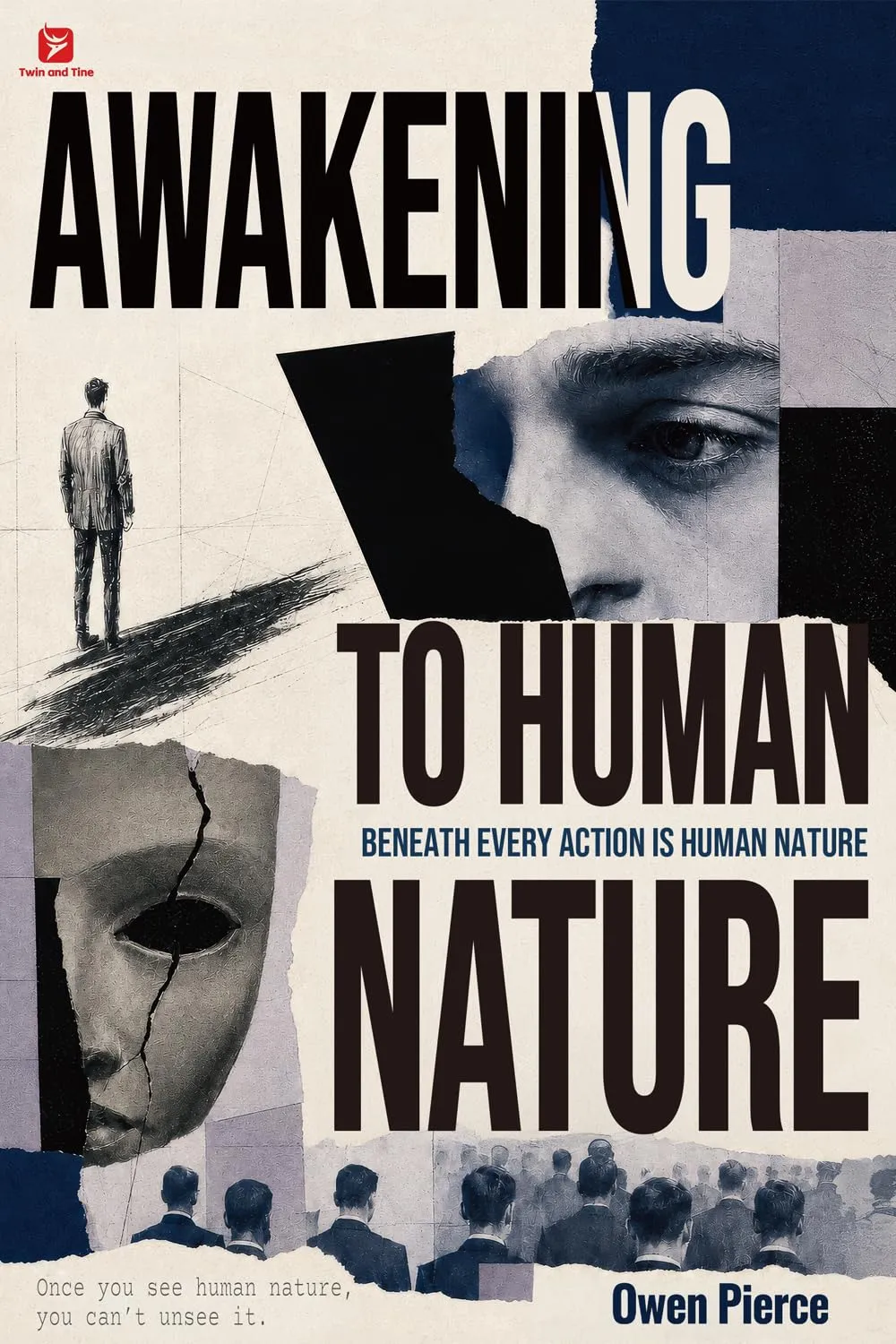
Awakening to Human Nature
Have you ever walked away from a conversation wondering what the other person really wanted? A person’s words can sound sincere while their behavior suggests something else. This book looks at hidden motives, self-deception, and social power dynamics, helping you think more carefully about the intentions behind everyday interactions.
-
#04
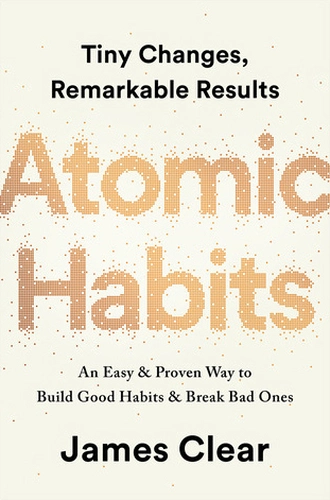
Atomic Habits
You don’t have to transform your entire life overnight to change where you’re heading. James Clear focuses on the small behaviors that gradually shape your results, showing how routines, surroundings, and repeatable systems can matter more than bursts of motivation. It offers a practical way to rethink how lasting change happens.
-
#05
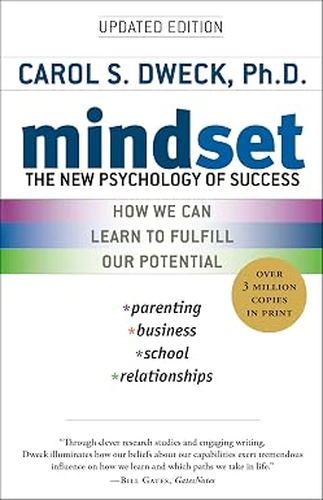
Mindset
Two people can face the same failure and walk away with completely different conclusions. One sees proof that they aren’t good enough; the other sees something they can learn from. Carol Dweck explores how beliefs about ability influence learning, resilience, and the way people respond when things don’t go as planned.
-
#06
 Add to Cart
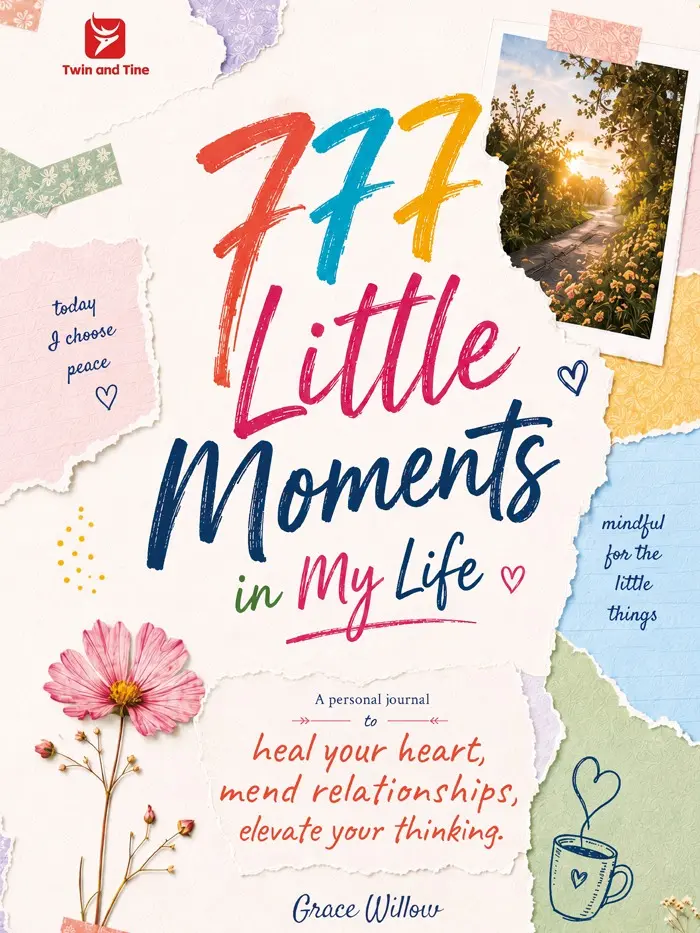
777 Little Moments in My Life
Sometimes the experiences you rarely talk about are the ones that still shape how you see yourself. With reflection prompts and writing exercises, this book gives you a way to revisit old feelings, recognize personal patterns, and put experiences into words that may have been difficult to express before.
-
#07
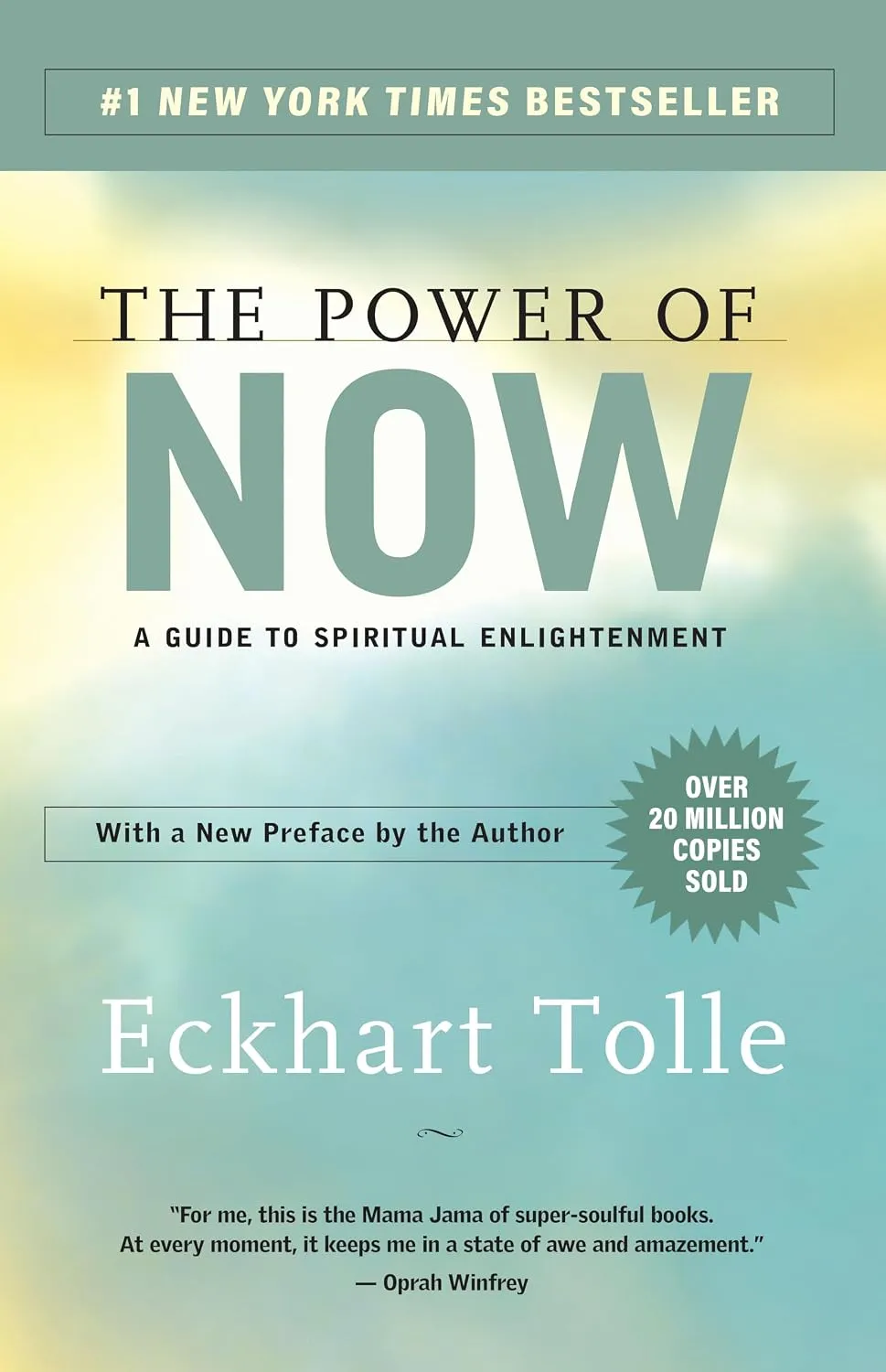
The Power of Now
How much of your day do you actually spend in the present, rather than replaying yesterday or worrying about tomorrow? Eckhart Tolle encourages readers to notice how often their attention gets pulled into thoughts about the past and future. The book offers a different relationship with the present moment and the mind’s constant activity.
-
#08
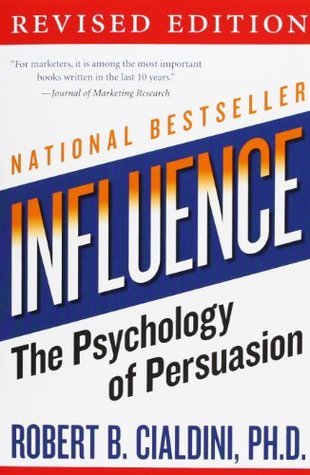
Influence: The Psychology of Persuasion
Your decisions may be influenced by things you barely notice: what everyone else is doing, who is asking, or how an offer is presented. Robert Cialdini examines the principles that make people more likely to say yes. Understanding these patterns can help you recognize persuasive tactics and think more carefully before agreeing.
-
#09
 Add to Cart
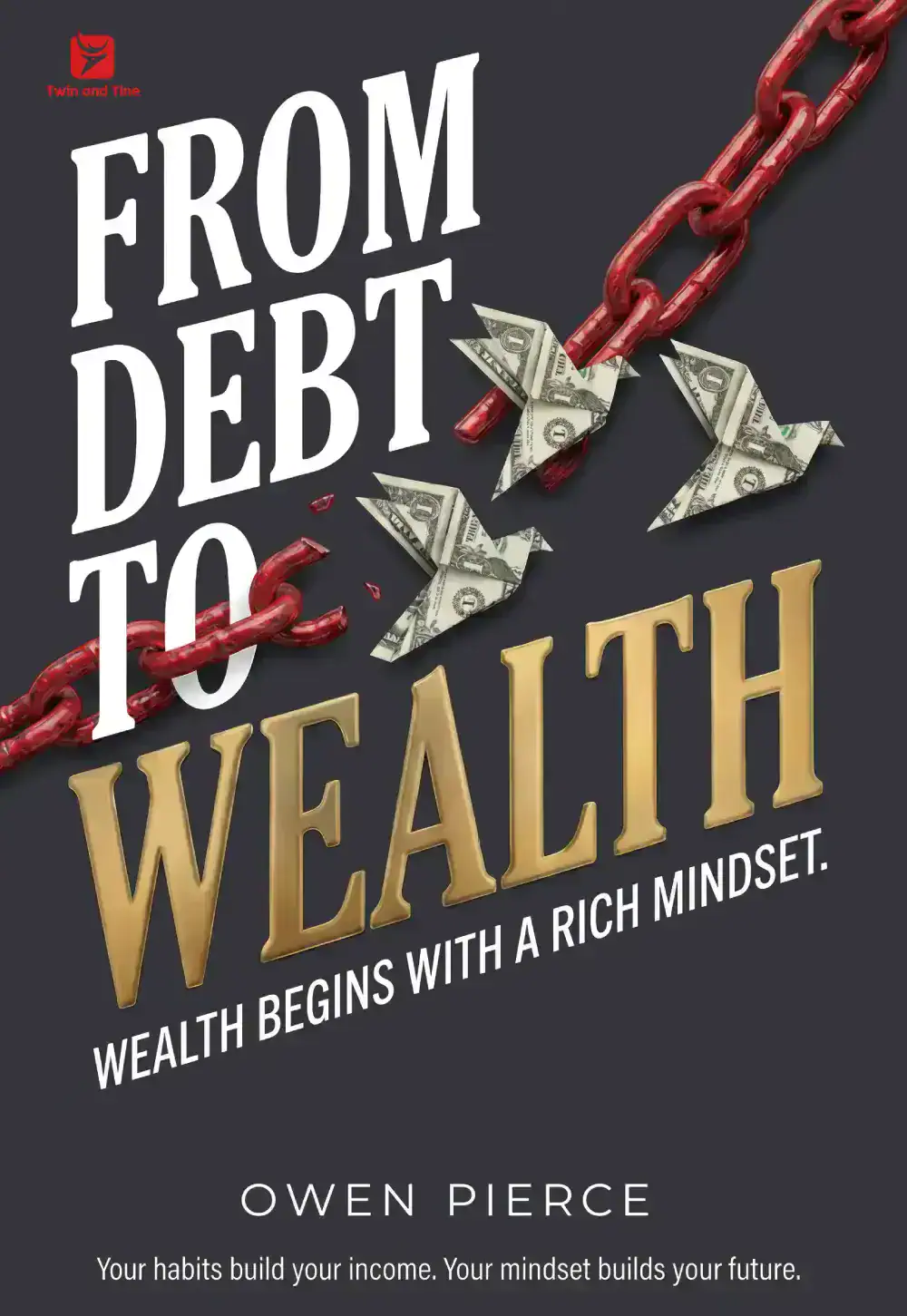
From Debt to Wealth
A bigger paycheck doesn’t automatically mean a better financial life. If your income rises but your savings never seem to grow, the problem may lie in how money moves through your life. This book focuses on spending, debt, saving, and the difference between owning assets and carrying liabilities, giving readers a clearer framework for improving their finances.
-
#10
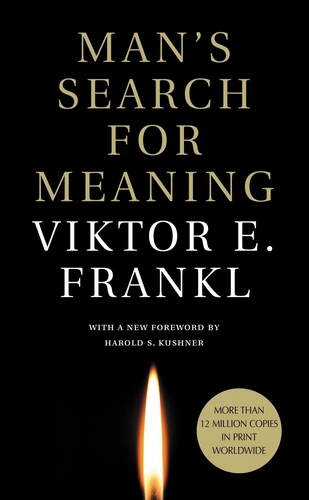
Man’s Search for Meaning
What keeps life meaningful when circumstances become almost unbearable? Drawing on his experiences in Nazi concentration camps, psychiatrist Viktor Frankl reflects on suffering, purpose, and the human search for meaning. His account challenges readers to consider how they respond to hardship when they cannot control everything happening around them.
-
#11
 Add to Cart
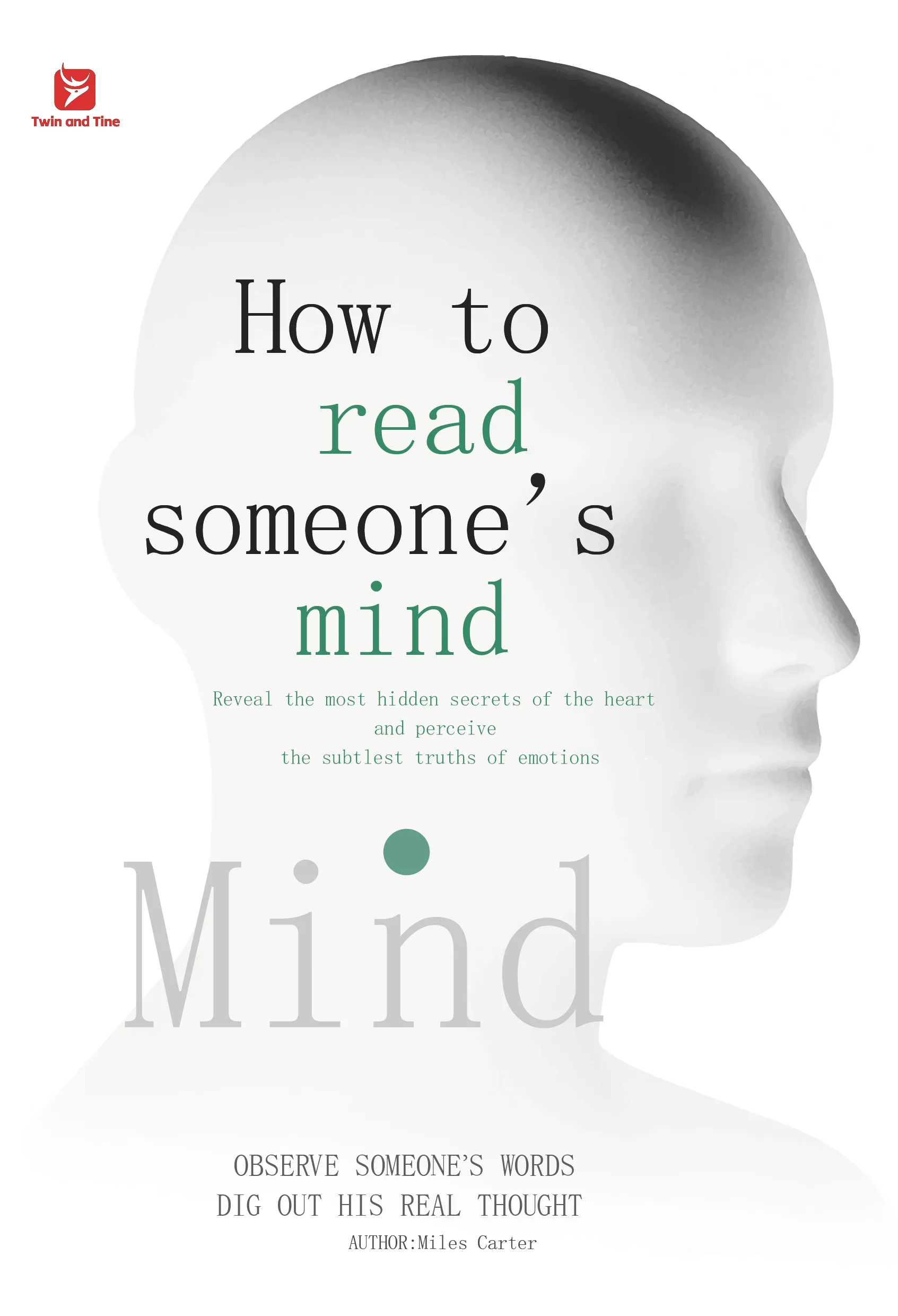
How to Read Someone’s Mind
Someone tells you everything is fine, but their tone and behavior leave you unsure. When words and nonverbal signals don’t seem to match, it can be difficult to know what to make of the interaction. This book focuses on body language, tone, and other communication cues that can help you observe people more carefully instead of relying on words alone.
-
#12
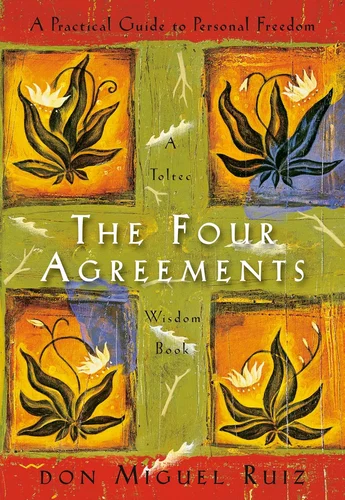
The Four Agreements
A careless comment can stay in your head for days, even when the person who said it has already forgotten it. Don Miguel Ruiz presents four principles for reconsidering how you interpret other people’s words, make assumptions, and judge yourself. Its central message invites readers to question habits of thinking that create unnecessary conflict.
-
#13
 Add to Cart
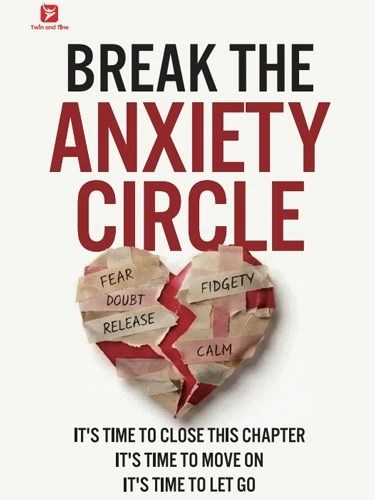
Break the Anxiety Circle
Knowing that worrying doesn’t help doesn’t necessarily make it stop. One anxious thought can lead to another until even ordinary decisions begin to feel overwhelming. This book focuses on recurring anxiety patterns and ways to respond to them differently, offering a starting point for readers who want to understand their cycles of worry.
-
#14
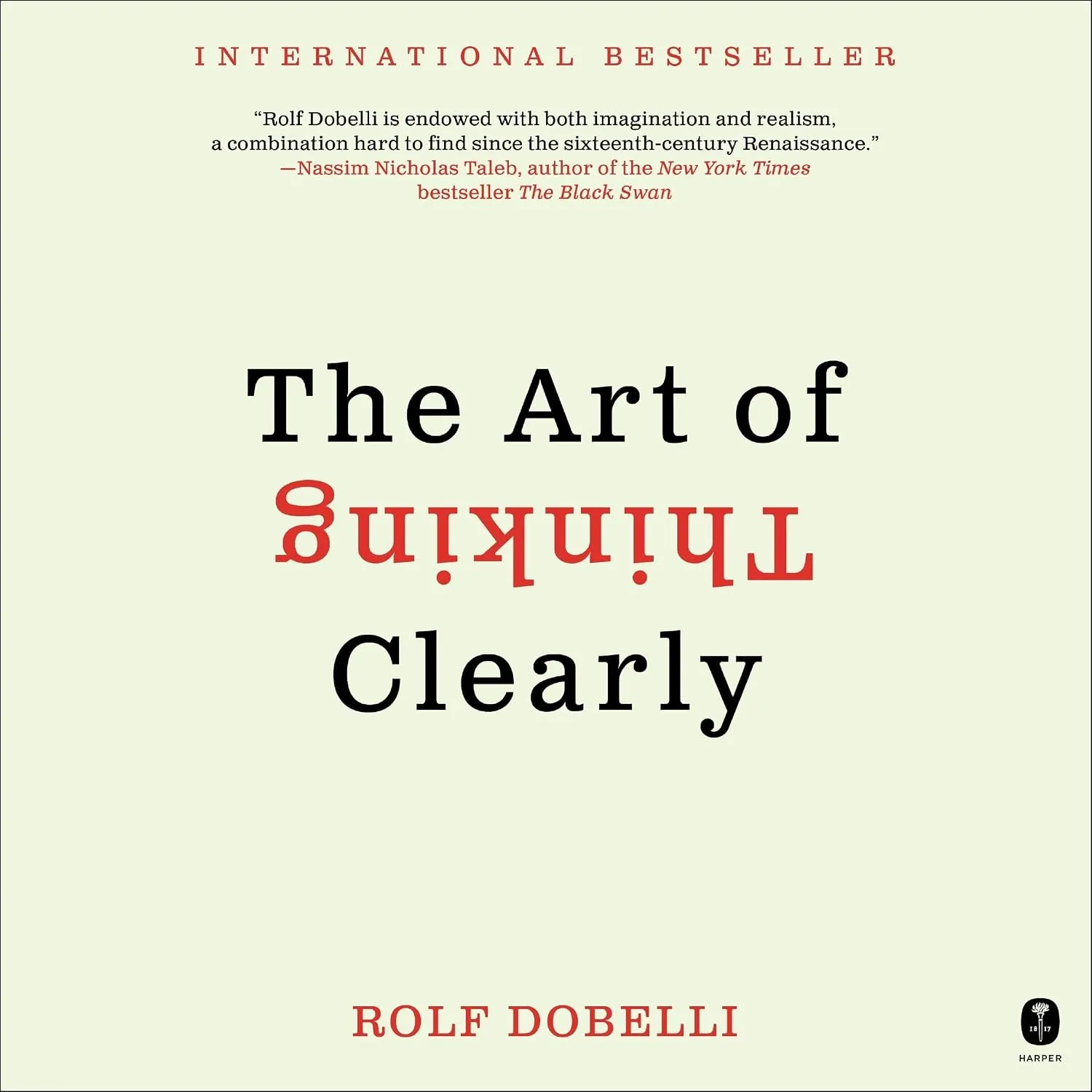
The Art of Thinking Clearly
Being intelligent doesn’t mean you’re immune to bad judgment. People routinely make predictable thinking errors, from overvaluing what they already believe to mistaking confidence for accuracy. Rolf Dobelli presents common cognitive biases in an accessible format, encouraging readers to recognize the mental shortcuts that can distort everyday decisions.
-
#15
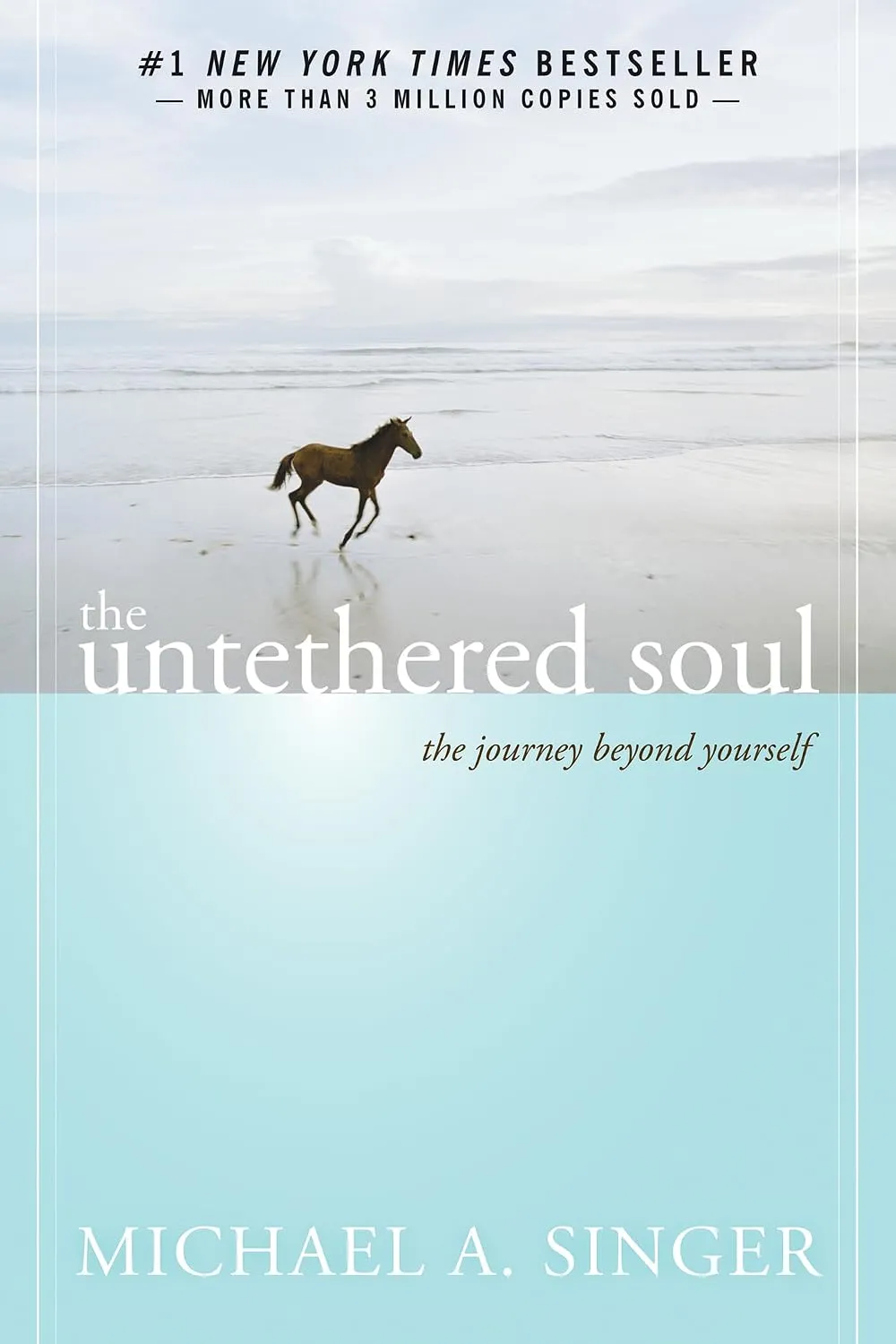
The Untethered Soul
A thought can appear in your mind and immediately change how you feel about yourself, your day, or your future. But does every thought deserve your attention? Michael A. Singer invites readers to observe their inner dialogue rather than automatically identifying with every passing thought and emotion.