
Being a better communicator isn’t just about finding the right words. It’s knowing how to handle disagreement without making things worse, speak up without sounding defensive, connect with people you barely know, and make your ideas easier to understand.
These 15 books cover different parts of communication, from everyday conversations and social confidence to negotiation, conflict resolution, and public speaking. The books are listed in no particular order.
-
#01
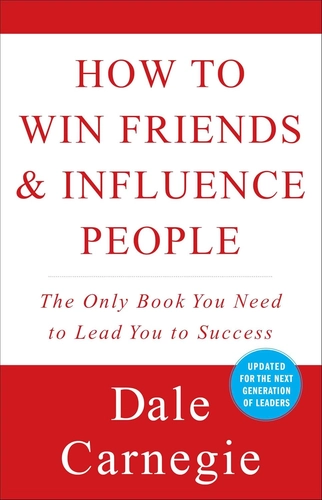
How to Win Friends and Influence People
Being right doesn’t always mean you’ll win someone over. How you make people feel often matters just as much as what you say. Dale Carnegie’s classic explores how to build rapport, show genuine interest, handle disagreements, and influence others without making every interaction feel like a competition.
-
#02
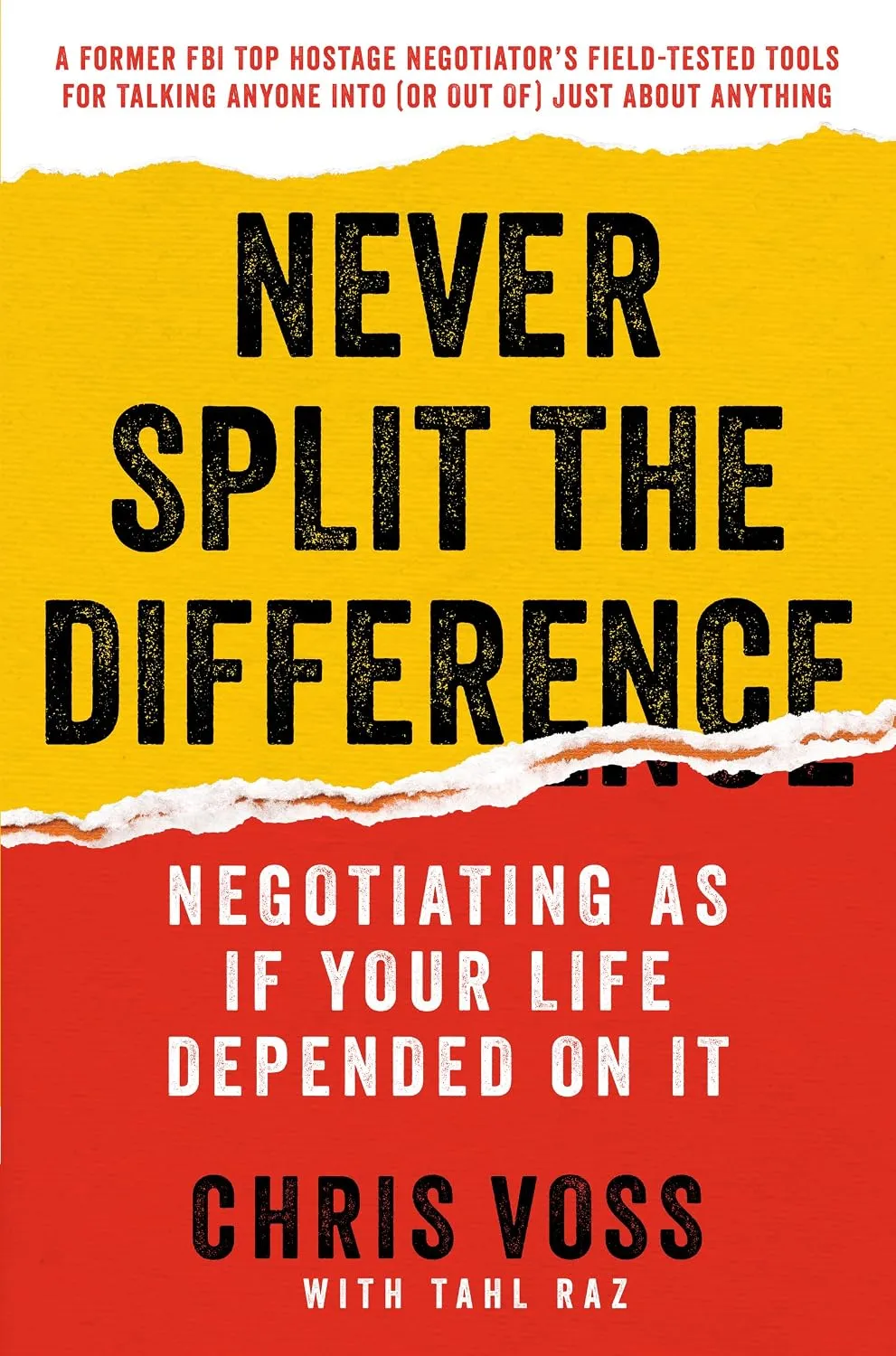
Never Split the Difference
When a conversation gets tense, pushing harder can make the other person even less willing to listen. Former FBI negotiator Chris Voss introduces techniques for asking better questions, listening for what isn’t being said, and navigating difficult negotiations. These strategies can be useful in business discussions, everyday disagreements, and situations where the stakes feel high.
-
#03
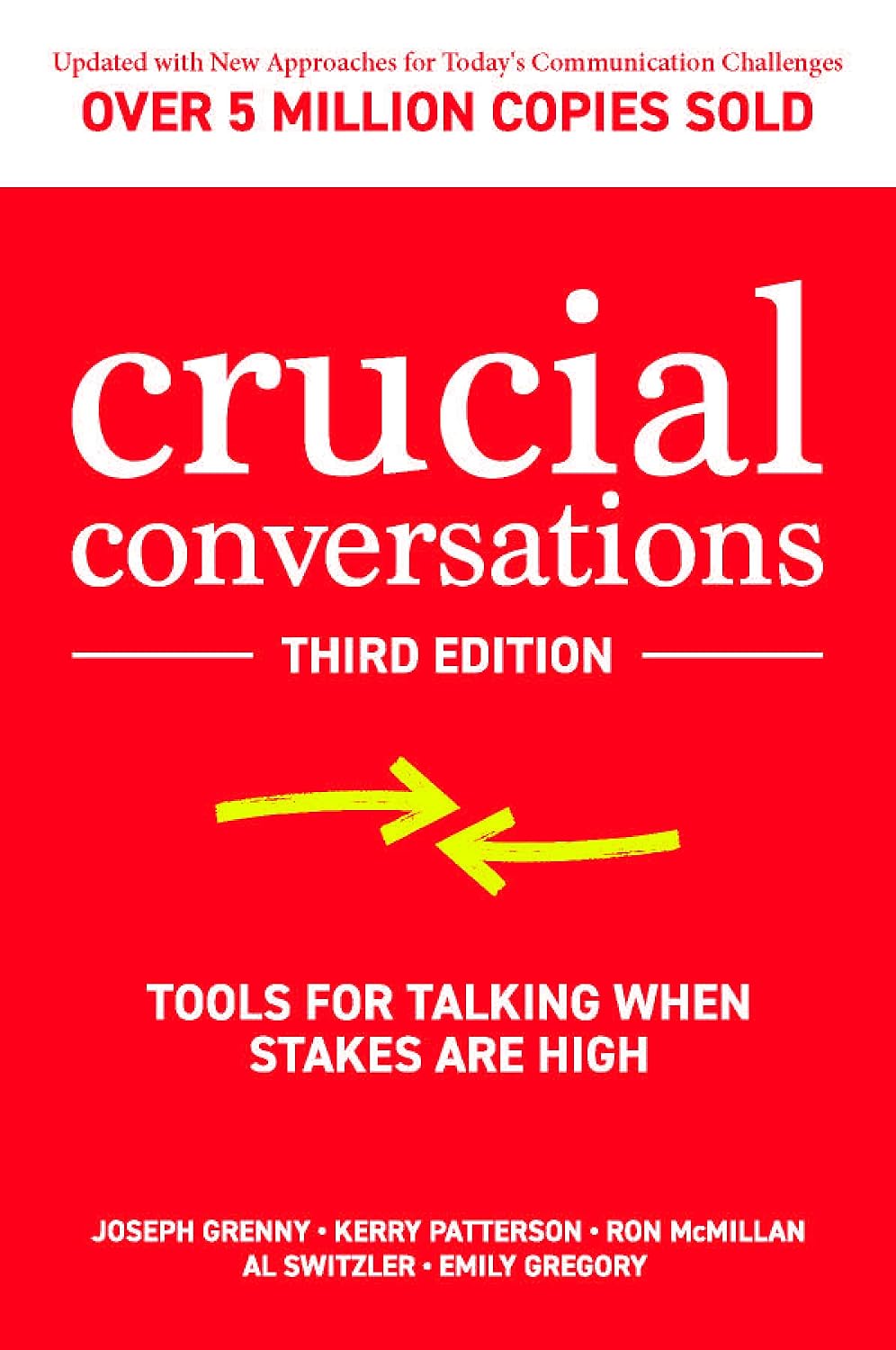
Crucial Conversations
Some conversations matter too much to avoid, yet feel too risky to have. Whether you’re addressing a workplace problem or confronting a personal issue, strong emotions can quickly derail the discussion. This book offers a framework for speaking honestly under pressure while keeping the conversation productive.
-
#04
 Add to Cart
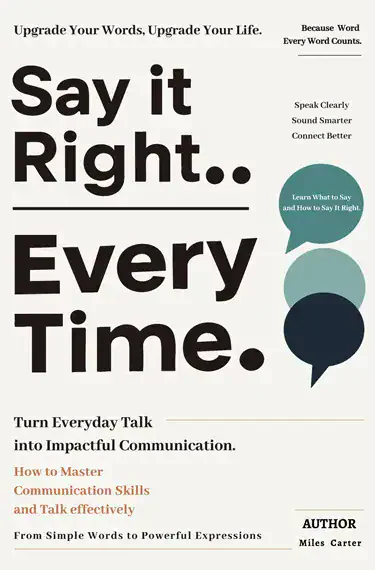
Say It Right Every Time
You know what you want to say, but the words come out wrong. You agree when you want to say no, overexplain yourself when setting a boundary, or struggle to respond when someone challenges you. This book focuses on communicating more clearly in everyday situations, from making requests and expressing disagreement to handling uncomfortable conversations without losing your point.
-
#05
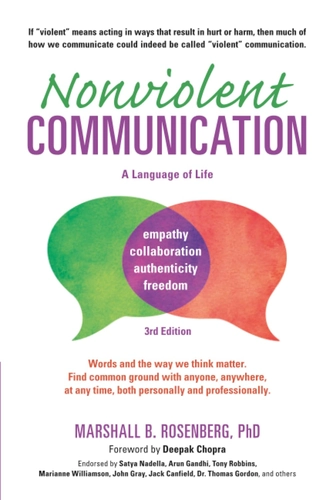
Nonviolent Communication
A conversation can turn into an argument before either person has explained what they actually need. Marshall Rosenberg’s approach helps readers separate observations from judgments, identify feelings and needs, and make requests without relying on blame. It’s particularly useful when you want to be honest without making the other person feel attacked.
-
#06
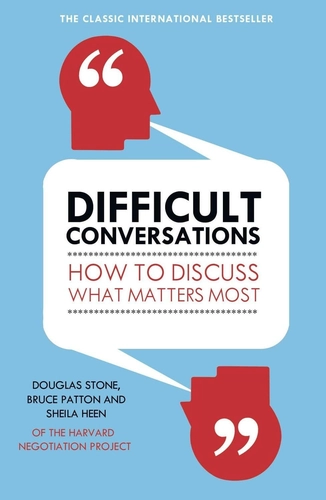
Difficult Conversations
It’s often not the topic itself that makes a conversation difficult. It’s the fear of being misunderstood, rejected, blamed, or proven wrong. This book breaks down the layers beneath sensitive discussions, helping readers understand differing perspectives and approach disagreements with more clarity.
-
#07
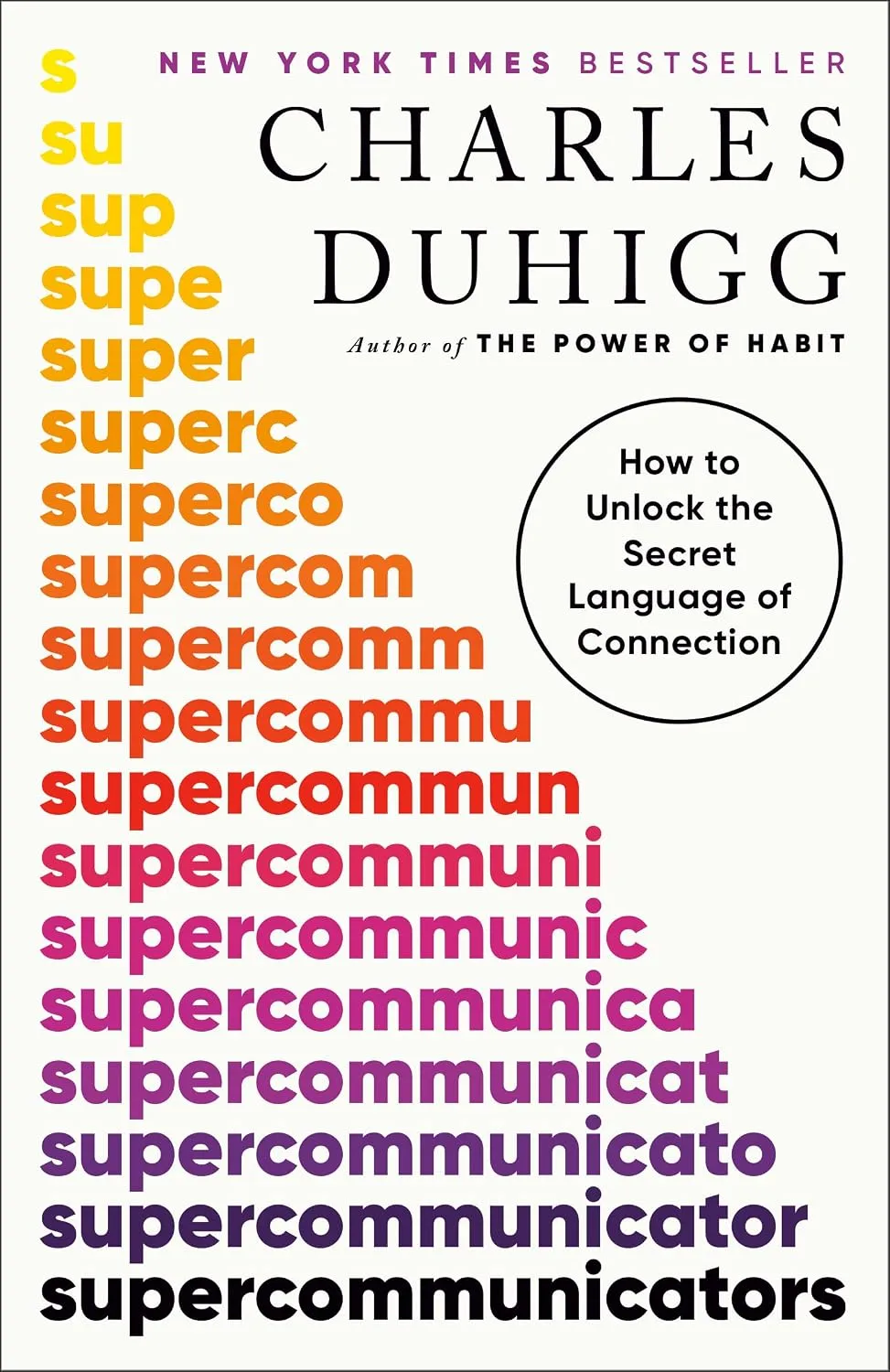
Supercommunicators
Two people can talk for an hour and still feel as though they haven’t understood each other. Charles Duhigg explores how successful conversations depend on recognizing what kind of exchange is taking place, whether emotional, practical, or social. The book offers a fresh perspective on why some conversations create connection while others go nowhere.
-
#08
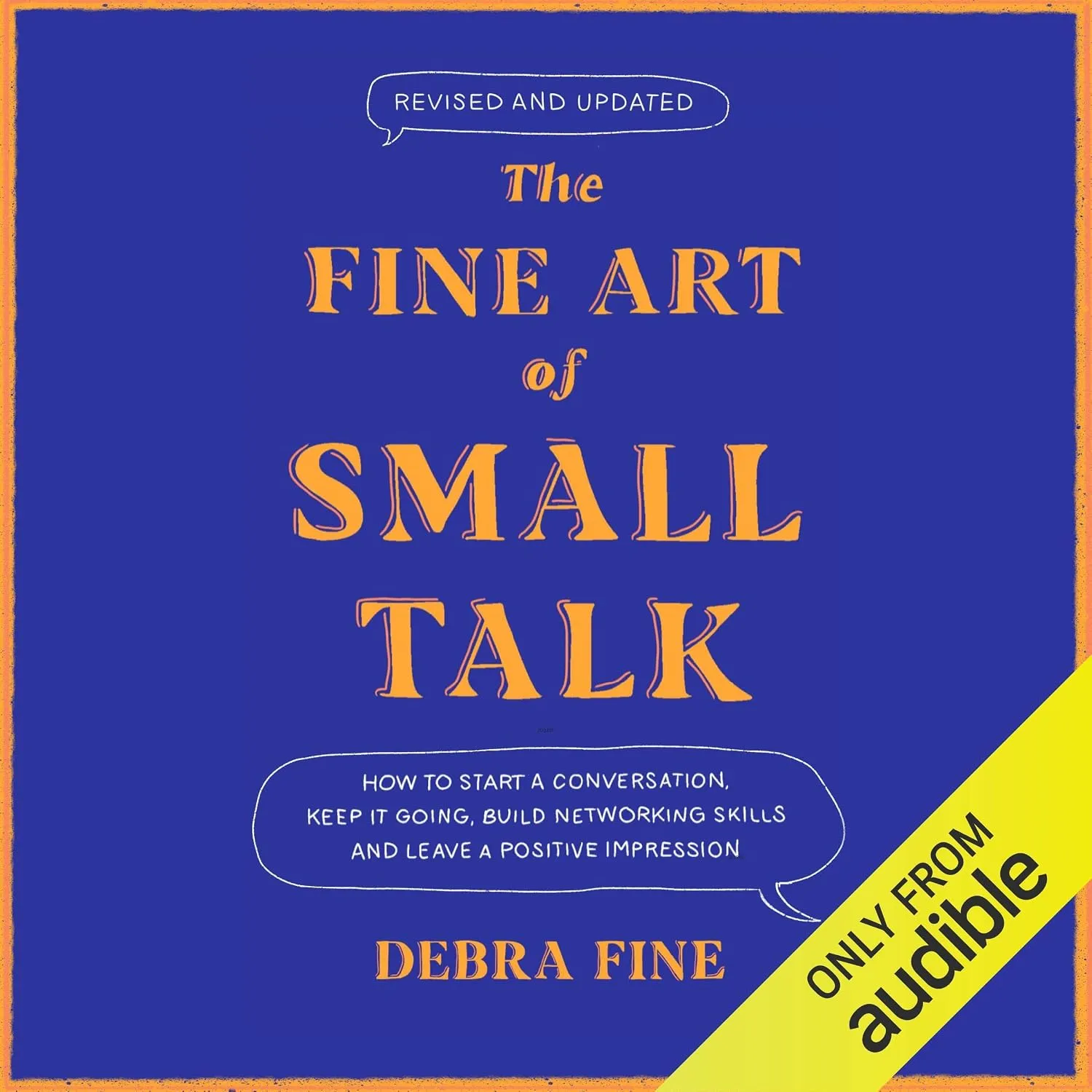
The Fine Art of Small Talk
Walking into a room full of strangers can be uncomfortable when you don’t know how to start a conversation. Debra Fine provides practical ideas for opening conversations, keeping them moving, and avoiding awkward silences. It’s a useful starting point for people who want to feel more comfortable at networking events, parties, and casual social gatherings.
-
#09
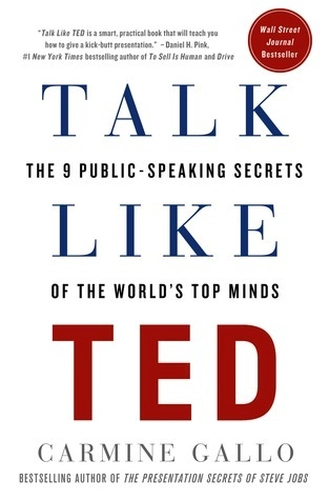
Talk Like TED
Having a good idea doesn’t guarantee that people will understand it, remember it, or care about it. Carmine Gallo examines techniques used in successful TED talks, including storytelling, clear explanations, and engaging delivery. The lessons can help readers organize their ideas and present them in a way that holds an audience’s attention.
-
#10
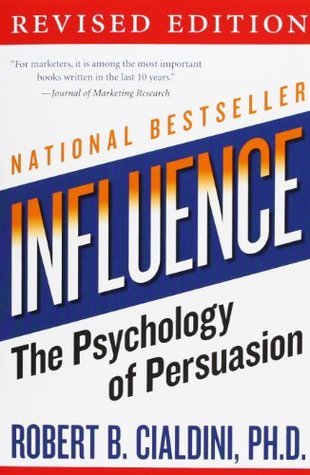
Influence: The Psychology of Persuasion
Why do people agree to things they might otherwise refuse? Robert Cialdini explores the psychological principles that shape decisions, from social proof to reciprocity and authority. Understanding these patterns can help you recognize how persuasion works and become more deliberate about how you influence others.
-
#11
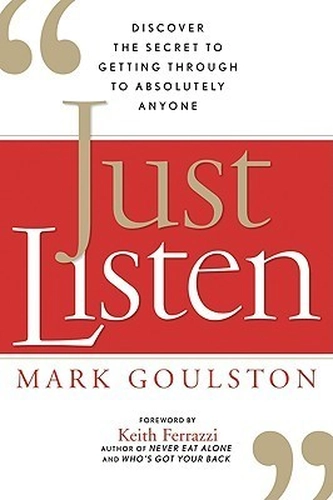
Just Listen
When someone is angry, defensive, or unwilling to cooperate, simply explaining your position more clearly may not help. Mark Goulston focuses on listening and responding in ways that lower resistance and make productive communication more possible. The book is especially relevant when emotions are high and the other person seems difficult to reach.
-
#12
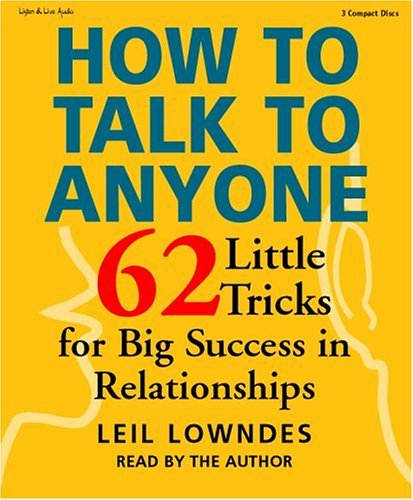
How to Talk to Anyone
Meeting someone new is one challenge. Knowing how to move beyond the introduction is another. Leil Lowndes shares practical techniques for starting conversations, making a confident first impression, and building rapport in social and professional settings. Readers looking for specific ways to feel less awkward around new people may find it especially approachable.
-
#13
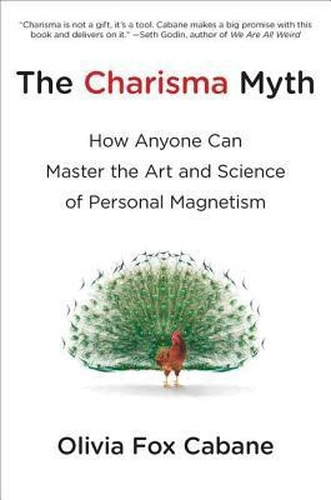
The Charisma Myth by Olivia Fox Cabane
Some people seem to make others feel comfortable and interested without saying anything particularly impressive. Charisma isn’t necessarily something you’re born with. Olivia Fox Cabane breaks it down into practical behaviors involving presence, warmth, and confidence, helping readers understand how the way they carry themselves can shape social interactions.
-
#14
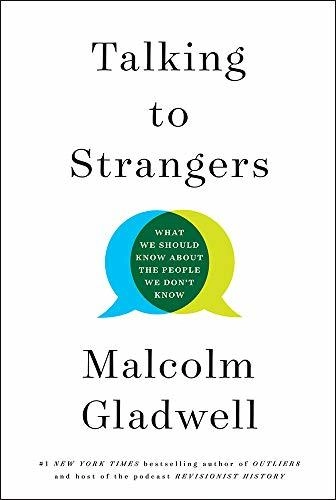
Talking to Strangers
We often assume we can tell what a stranger is thinking from their face, words, or behavior. But those impressions can be surprisingly unreliable. Malcolm Gladwell uses real cases and research to examine why people misread one another and how assumptions can shape encounters with people they don’t know.
-
#15

Made to Stick
An idea can be important and still disappear from people’s minds seconds after they hear it. Chip Heath and Dan Heath examine why some messages stick while others are quickly forgotten. Their framework helps readers communicate ideas more clearly, use concrete examples, and make information easier for an audience to understand and remember.