
Have you ever wondered why some people say one thing but do another? Why do certain people repeat the same mistakes, hide their true intentions, or react in ways that seem impossible to understand? Human behavior is shaped by emotions, past experiences, beliefs, and hidden motivations that are often difficult to recognize, even in ourselves.
This list features some of the best psychology books about human behavior, helping readers uncover the patterns behind decisions, relationships, communication, and social interactions. From understanding hidden motives to recognizing emotional triggers and improving connections with others, these books provide practical insights for anyone who wants to better understand themselves and the people around them.
-
#01
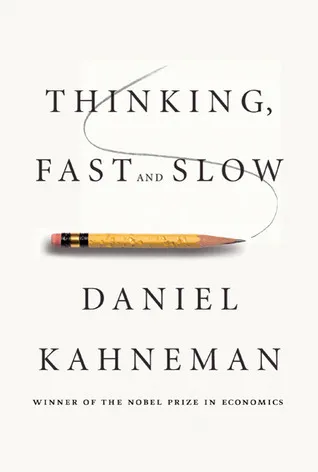
Thinking, Fast and Slow
Engaging the reader in a lively conversation about how we think, Kahneman reveals where we can and cannot trust our intuitions and how we can tap into the benefits of slow thinking.
-
#02
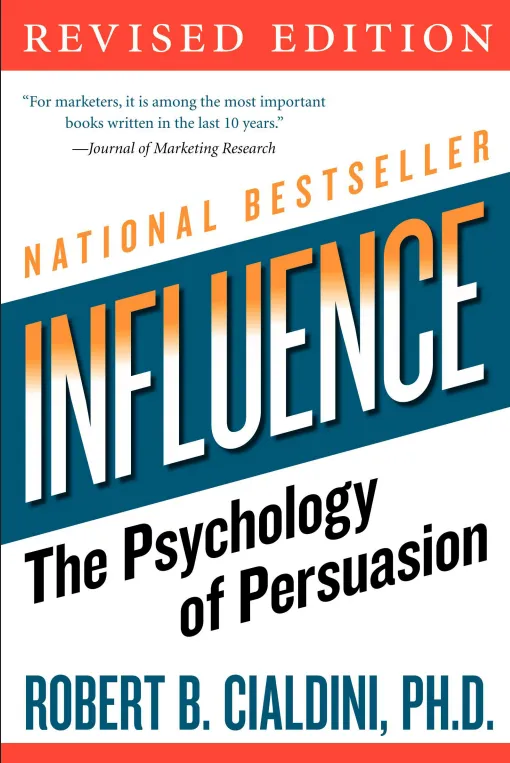
Influence
Dr. Robert B. Cialdini—the seminal expert in the field of influence and persuasion—explains the psychology of why people say yes and how to apply these principles ethically in business and everyday situations.
-
#03
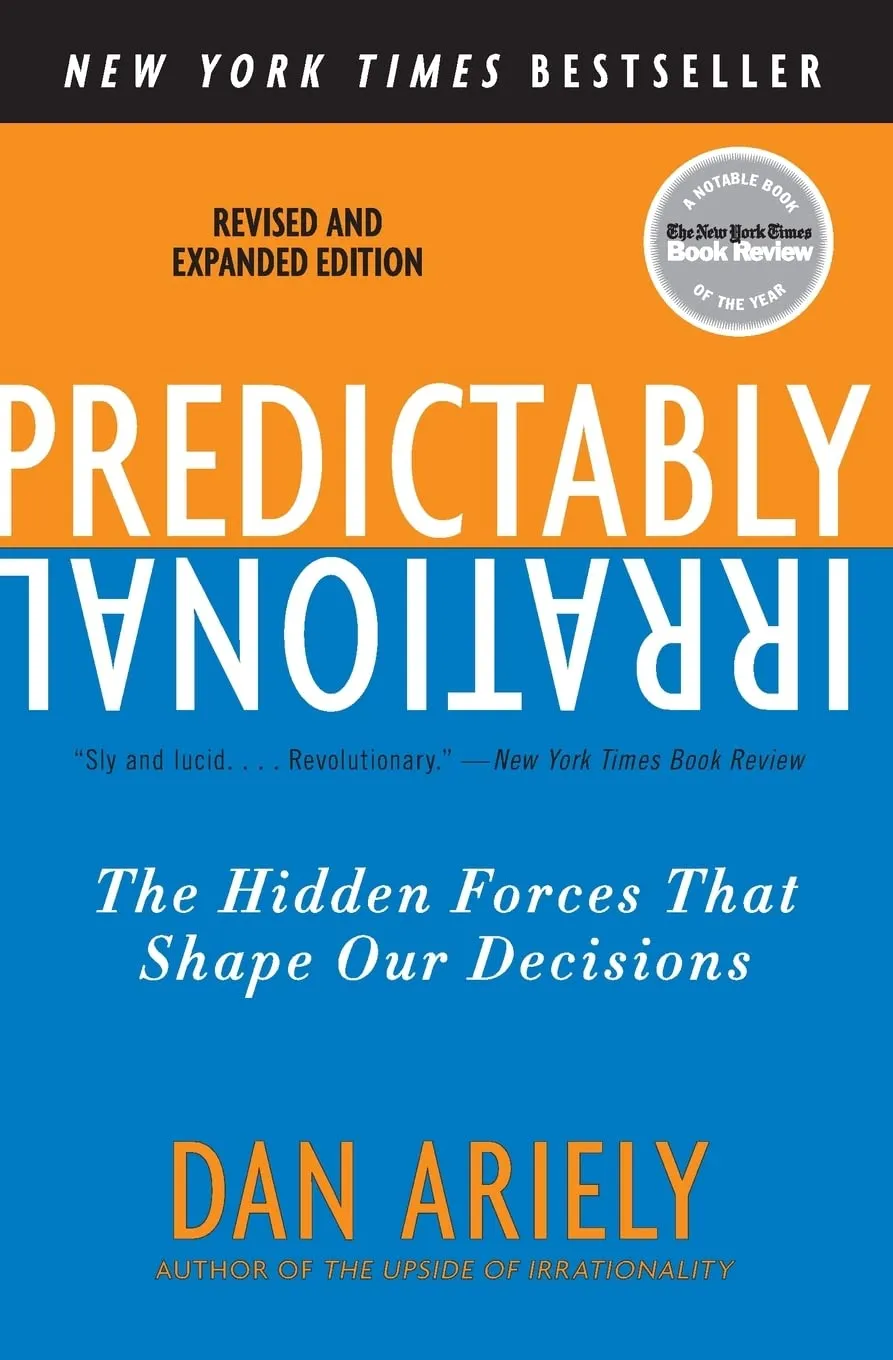
Predictably Irrational
In this groundbreaking New York Times bestseller, Dan Ariely challenges readers’ assumptions about making decisions based on rational thought. Entertaining and surprising, the book unmasks the subtle but powerful tricks that our minds play on us and challenges the common beliefs that we behave in fundamentally rational ways.
-
#04
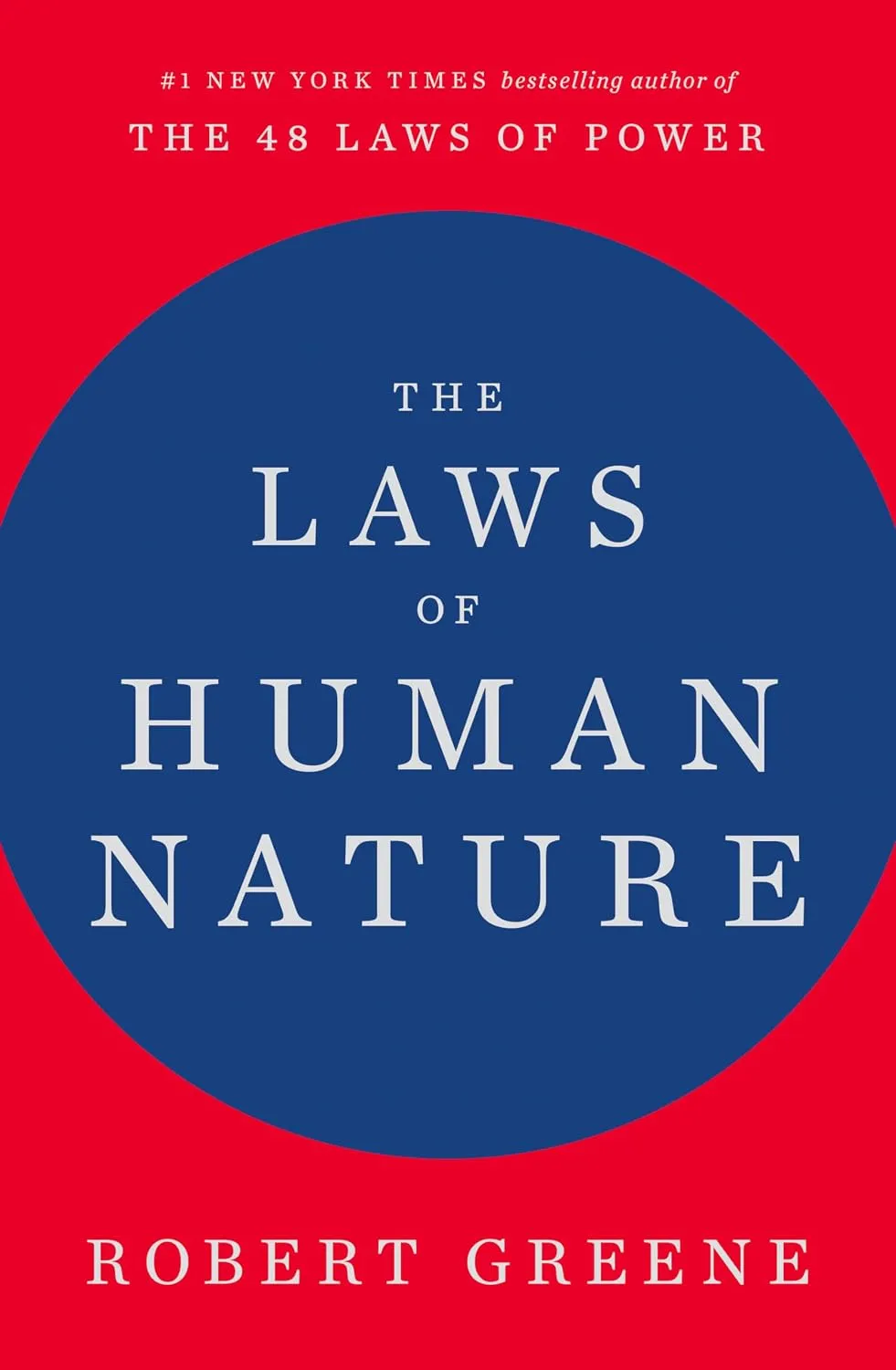
The Laws of Human Nature
Robert Greene is a master guide for millions of readers, distilling ancient wisdom and philosophy into essential texts for seekers of power, understanding and mastery. Now he turns to the most important subject of all—understanding people’s drives and motivations, even when they are unconscious of them themselves.
-
#05
 Add to Cart
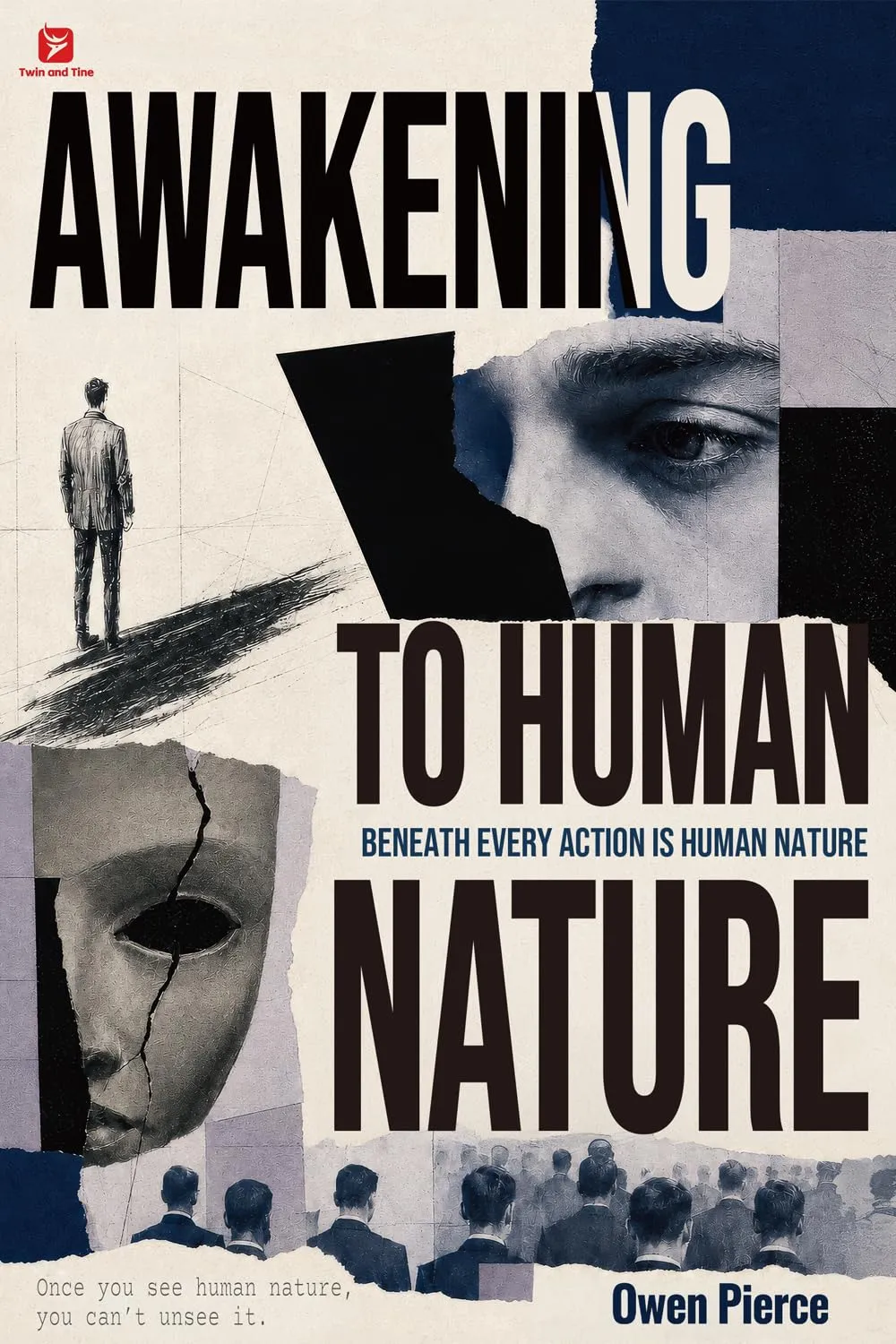
Awakening to Human Nature
This is a book about human nature for people who are tired of being the last to know — a self help book for women, for men, for anyone who’s ever walked away from a conversation feeling like they’d just lost a game nobody told them was being played.
-
#06
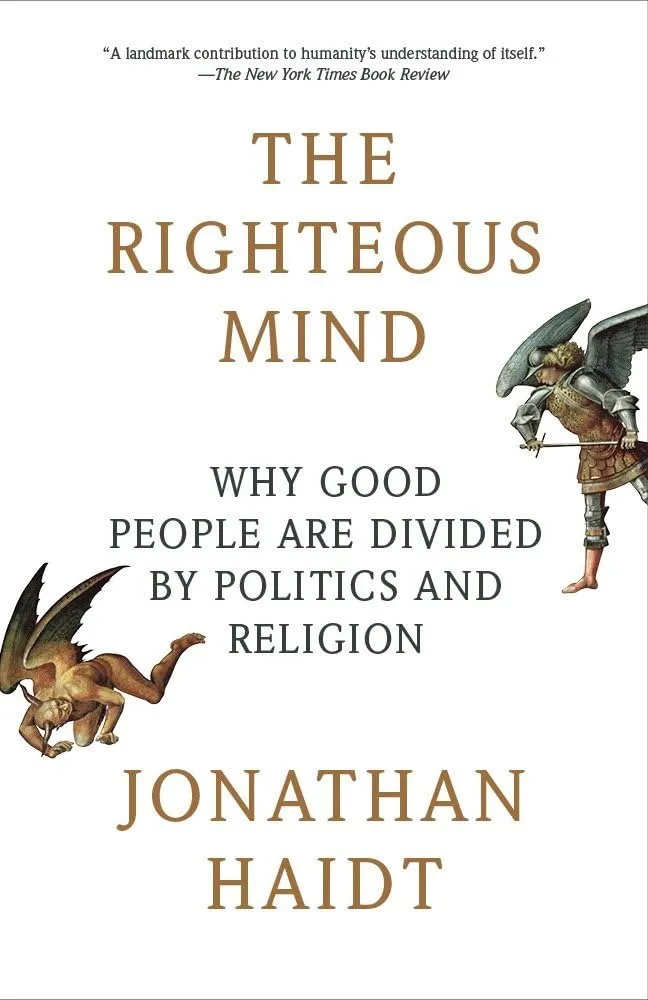
The Righteous Mind
Drawing on his twenty-five years of groundbreaking research on moral psychology, Jonathan Haidt shows how moral judgments arise not from reason but from gut feelings.
-
#07
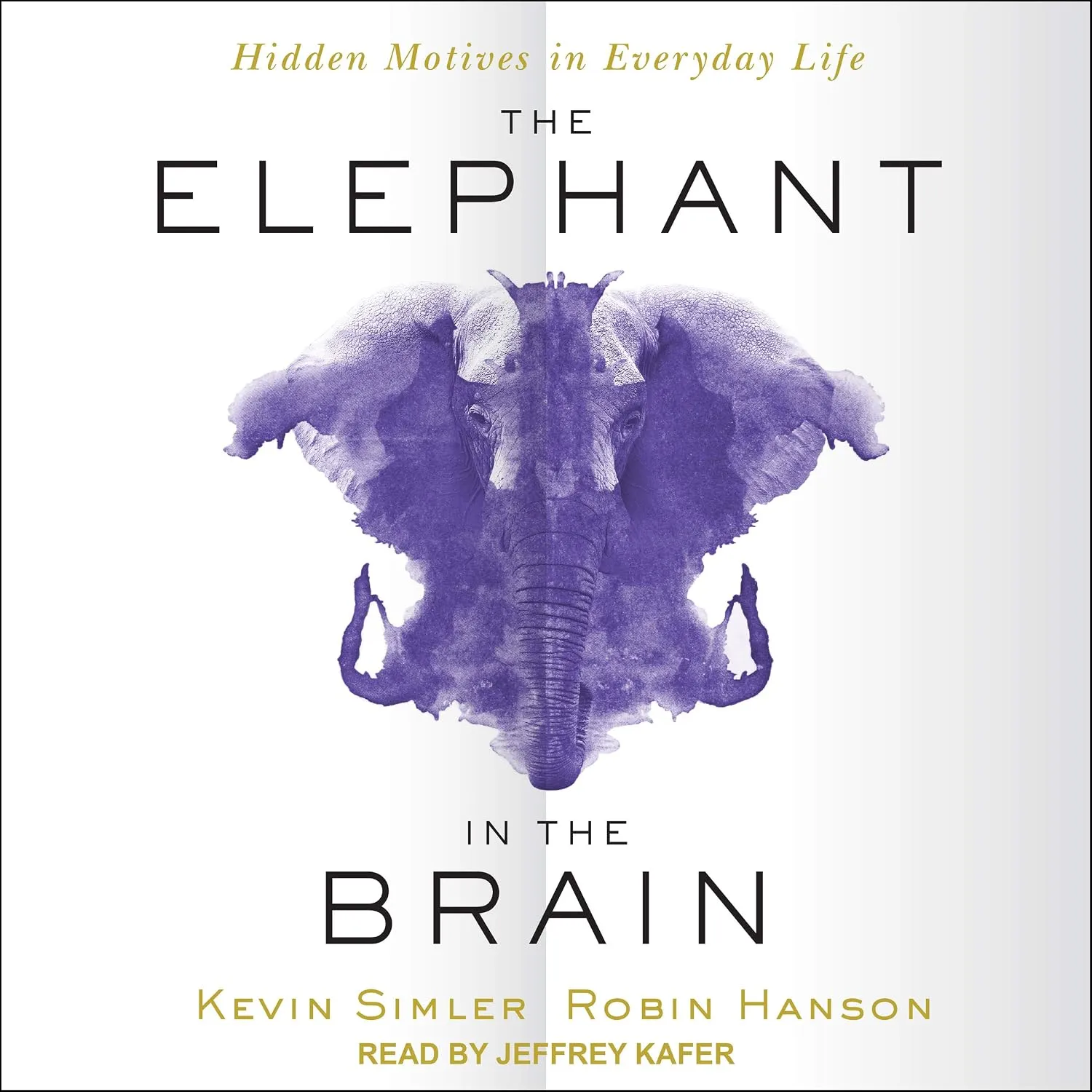
The Elephant in the Brain
The aim of this book, then, is to confront our hidden motives directly – to track down the darker, unexamined corners of our psyches and blast them with floodlights.
-
#08
 Add to Cart
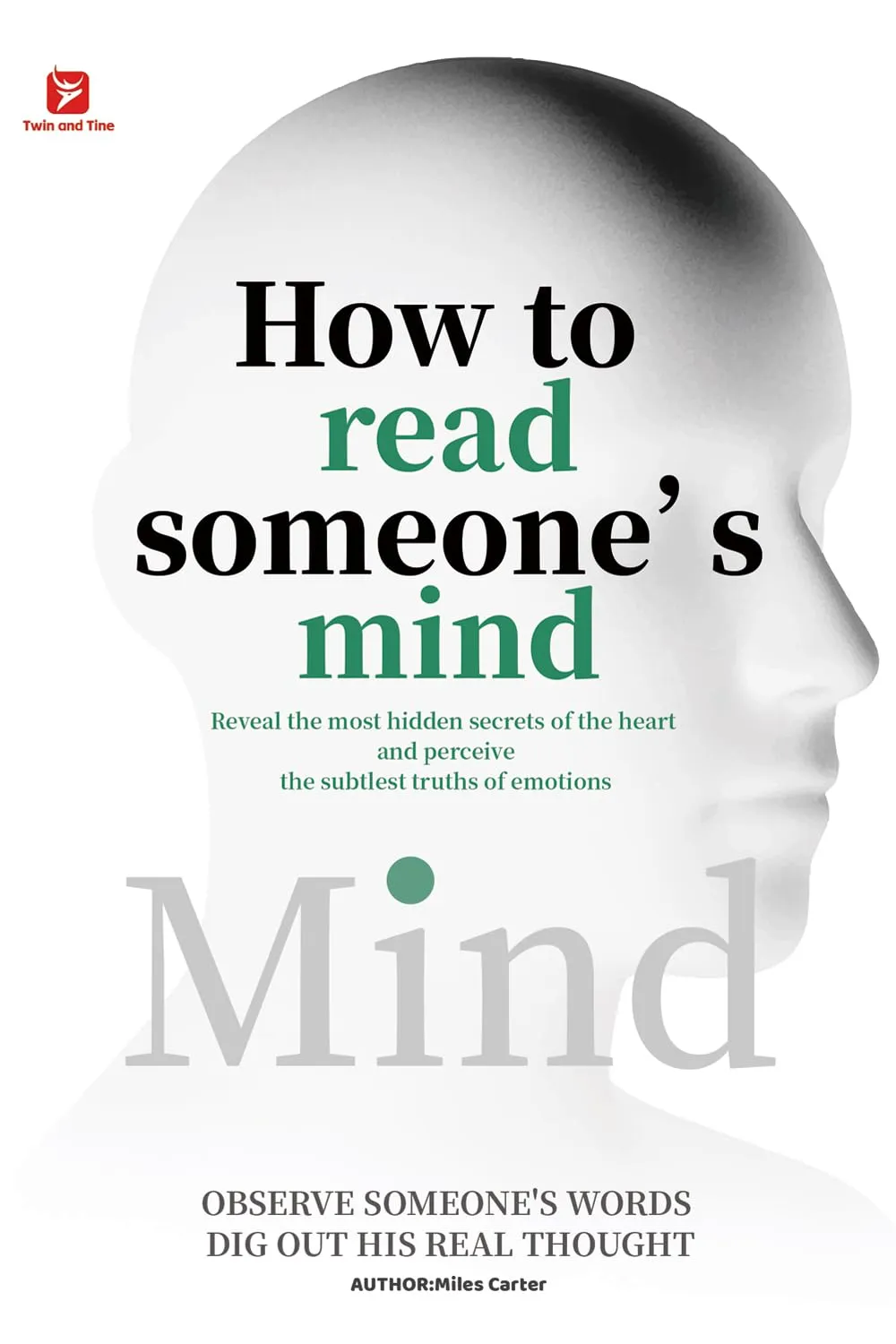
How to Read Someone’s Mind
This is a practical psychology book for people who feel things others don’t — a self-help guide on human behavior for anyone who wants to read people accurately. Not through mind-reading. Through what people show you without meaning to.
-
#09
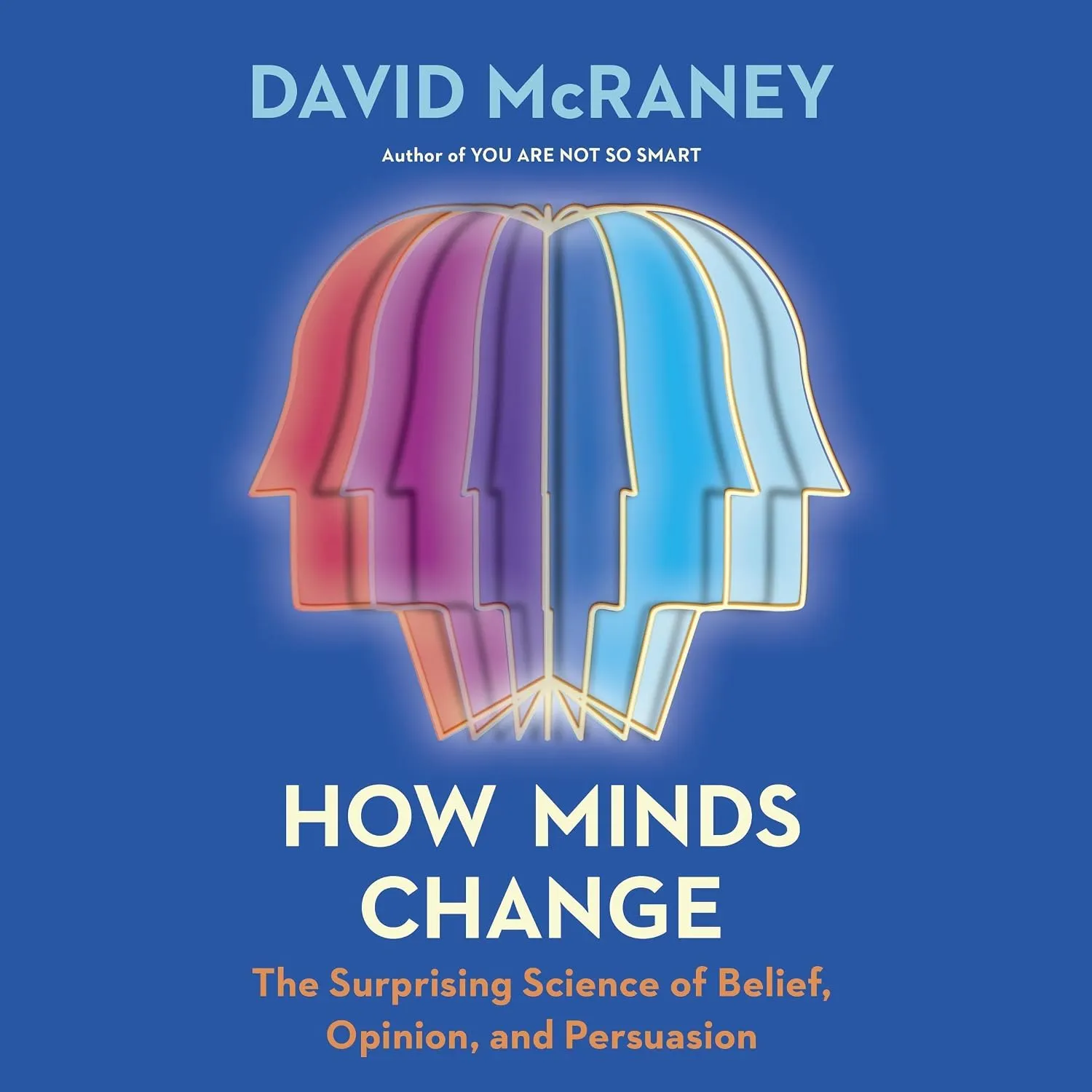
How Minds Change
A powerful, compassionate investigation of why it’s so hard to change your mind—and the transformative effects that follow when you do—by the internationally bestselling author of You Are Not So Smart.
-
#10
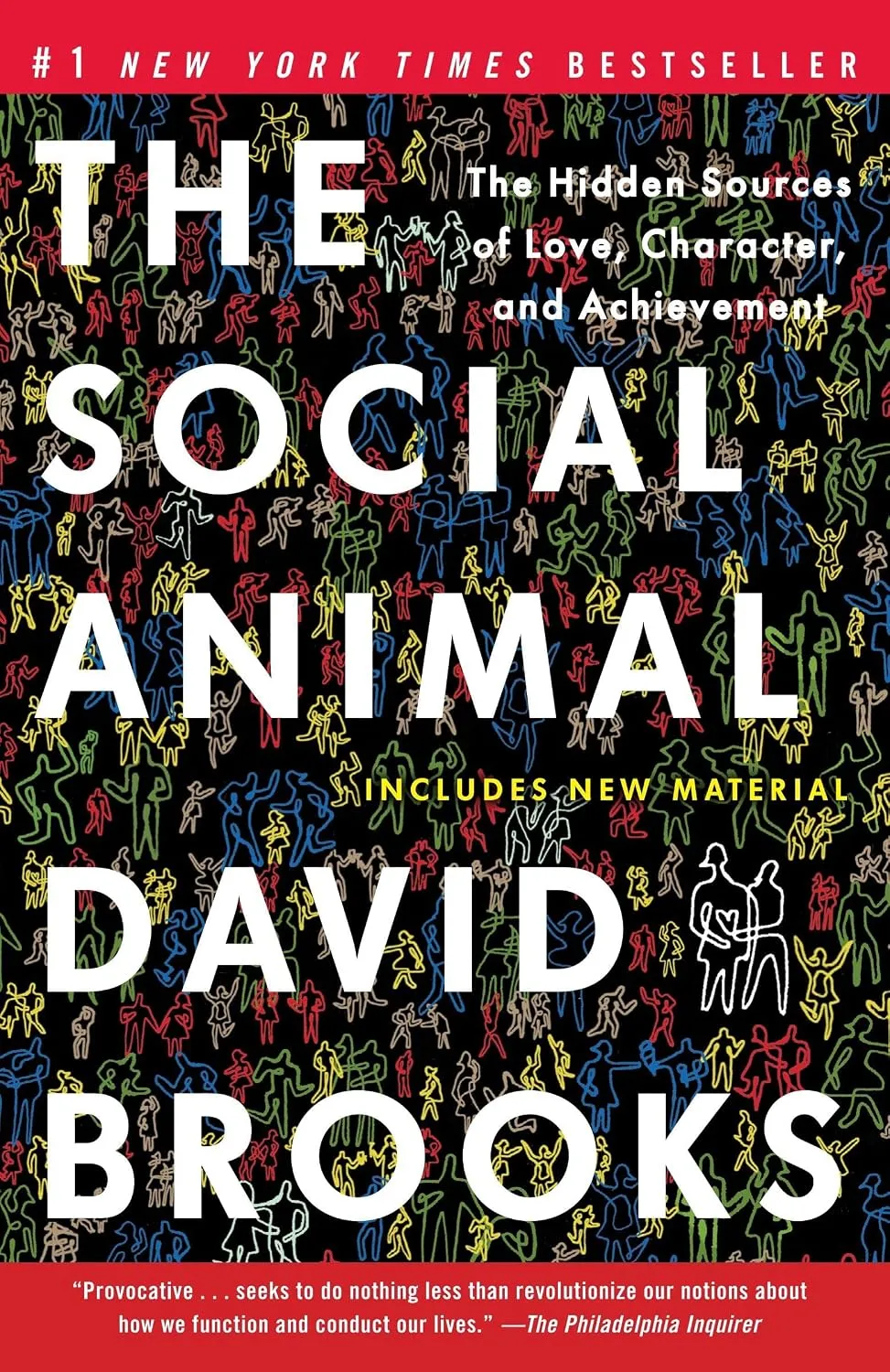
The Social Animal
The Social Animal is a moving intellectual adventure, a story of achievement and a defense of progress. It is an essential book for our time—one that will have broad social impact and will change the way we see ourselves and the world.
-
#11
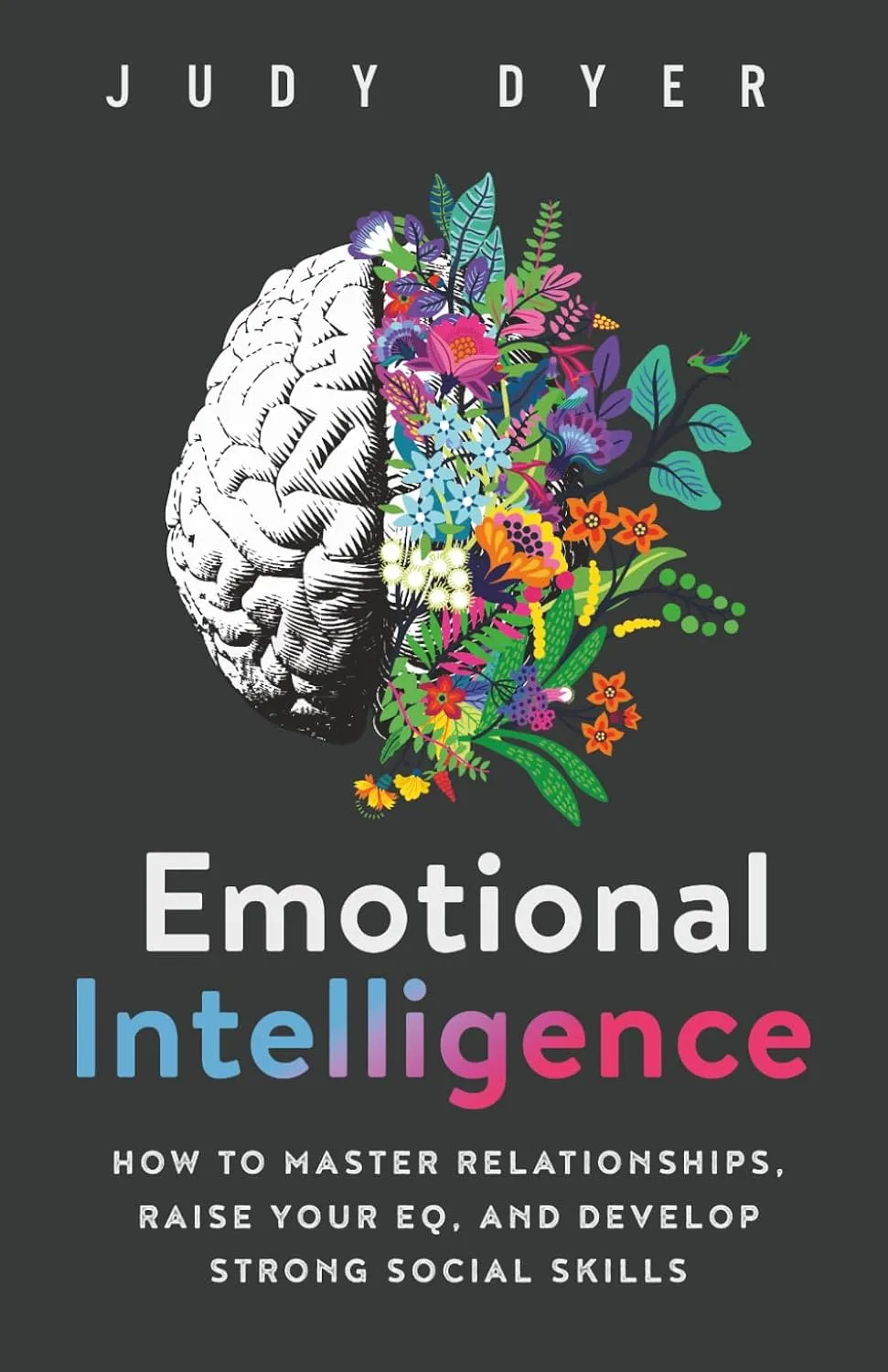
Emotional Intelligence
In Emotional Intelligence, Judy Dyer reveals some of the most dynamic and powerful principles that will assist you in developing your emotional intelligence. You will discover new insights into the importance of understanding your feelings and how to control and use them to live a more fulfilling life.
-
#12
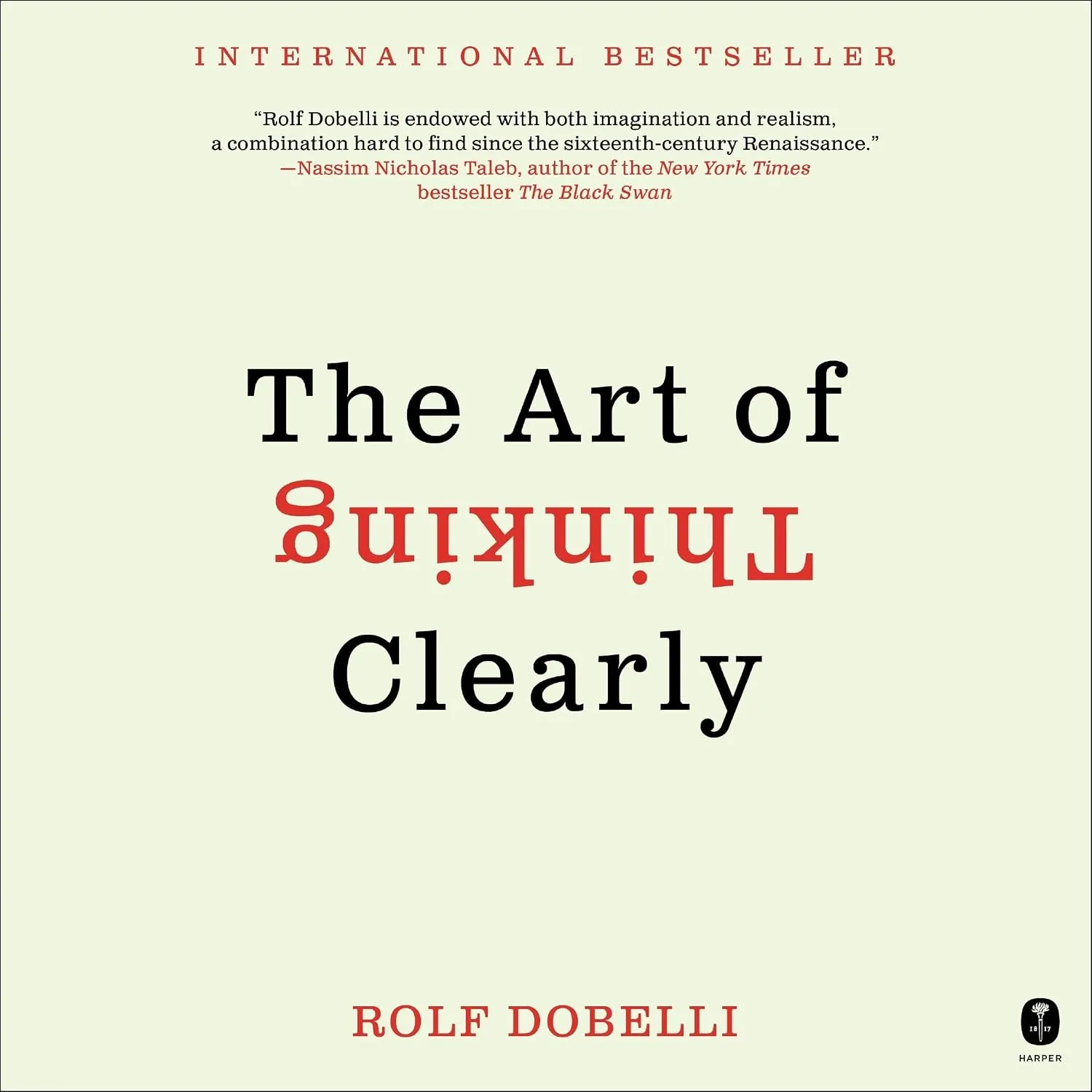
The Art of Thinking Clearly
Already an international bestseller, The Art of Thinking Clearly distills cutting-edge research from behavioral economics, psychology, and neuroscience into a clever, practical guide for anyone who’s ever wanted to be wiser and make better decisions.
-
#13
Games People Play
Explosive when it first appeared, Games People Play is now widely recognized as the most original and influential popular psychology book of our time. It’s as powerful and eye-opening as ever.
-
#14
The 48 Laws of Power
Amoral, cunning, ruthless, and instructive, this piercing work distills 3,000 years of the history of power into 48 well-explicated laws. This bold volume outlines the laws of power in their unvarnished essence, synthesizing the philosophies of Machiavelli, Sun Tzu, Carl von Clausewitz, and other infamous strategists.
-
#15
Sapiens
Yuval Noah Harari breaks the mold with this highly original book that begins about 70,000 years ago with the Cognitive Revolution and the appearance of modern cognition. From examining the story of human evolution in the global ecosystem to charting the rise of empires, Sapiens integrates history and science to reconsider accepted narratives, connect past developments with contemporary concerns, and examine specific events within the context of larger ideas.