
It’s easy to start measuring your worth by how much people need you, how attractive you feel, how successful you look, or how often others choose you. You can be capable, caring, and accomplished and still wonder whether you’re good enough.
The best books on self-worth for women challenge these habits of thinking. They help you recognize people-pleasing, set boundaries without constantly feeling guilty, and build a stronger sense of who you are outside other people’s expectations.
Here are 15 books worth considering, whether you’re working on self-confidence, navigating difficult relationships, or learning to stop putting everyone else first. The books are listed in no particular order.
-
#01
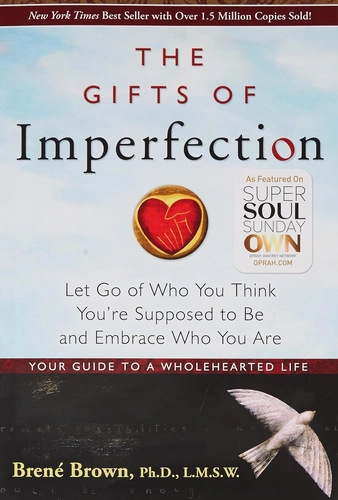
The Gifts of Imperfection
You can spend years trying to become the version of yourself you think everyone will approve of. You work harder, hide your insecurities, and avoid letting people see your flaws. Brené Brown explores how shame, perfectionism, and the need for approval can get in the way of living authentically. This book encourages women to stop treating imperfection as evidence that they are not enough.
Best for: Readers who want to let go of perfectionism and build a more accepting relationship with themselves. -
#02
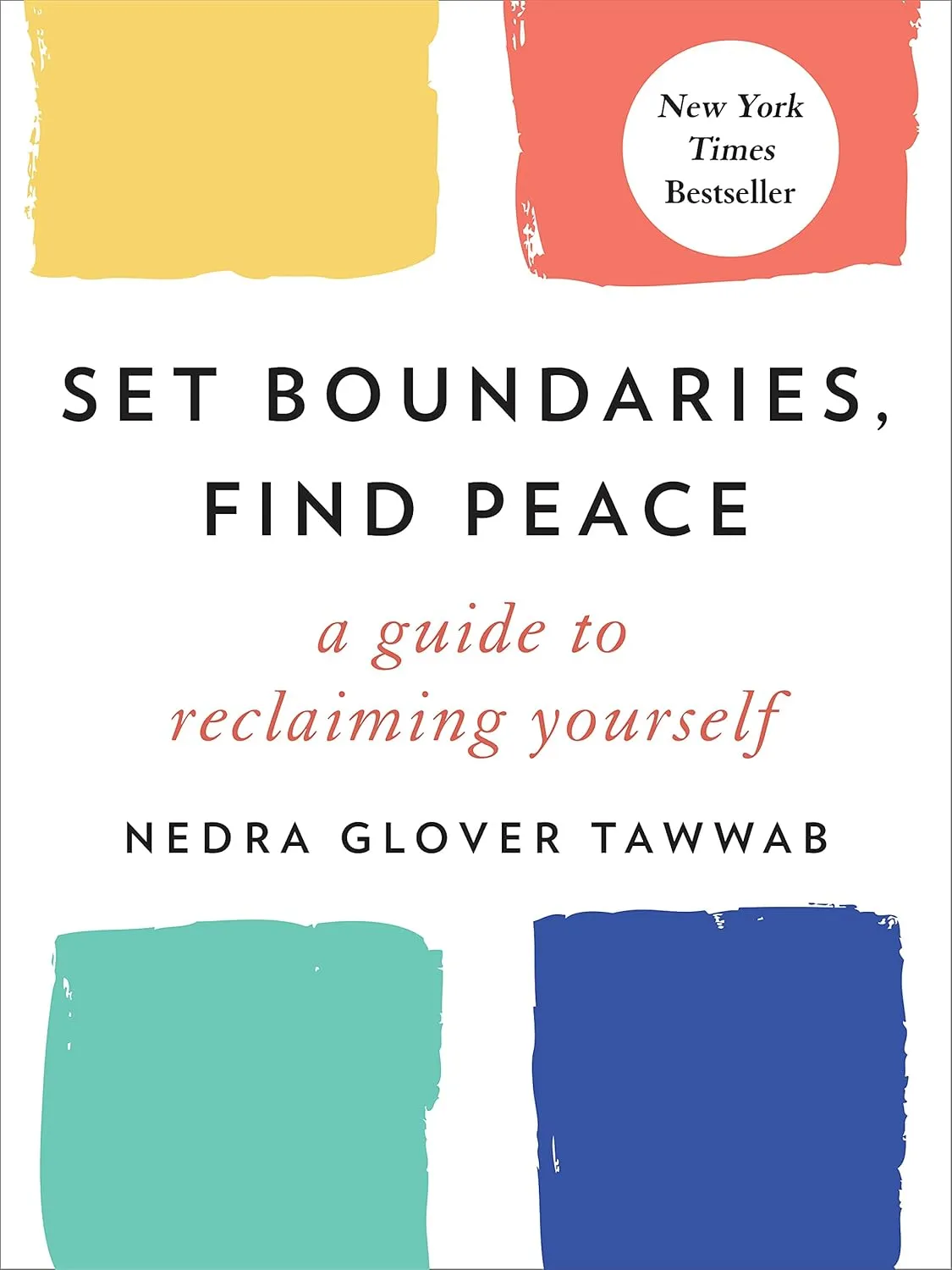
Set Boundaries, Find Peace
You say yes because you don’t want to disappoint anyone. You tolerate behavior that bothers you because explaining your limits feels harder than putting up with the situation. Nedra Glover Tawwab offers practical guidance for setting boundaries in relationships, family life, and work. It’s especially useful for women who understand the importance of boundaries but struggle to enforce them without guilt.
Best for: Women who want to set clearer boundaries without constantly feeling guilty. -
#03
 Add to Cart
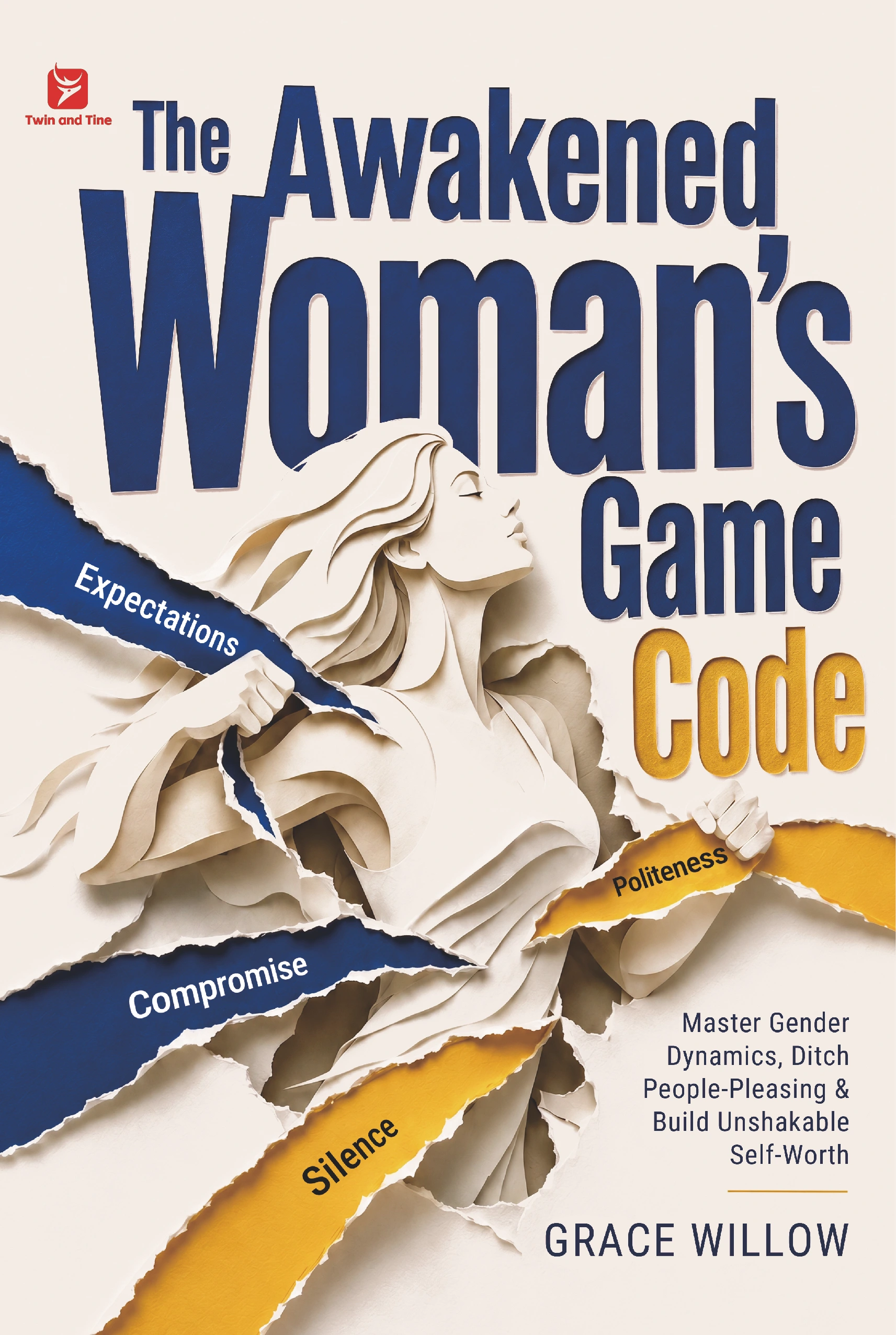
The Awakened Woman’s Game Code
Being loved doesn’t always mean being valued. You can give someone your time, attention, and loyalty while gradually losing sight of your own needs. This book examines the relationship dynamics that can leave women feeling taken for granted, from people-pleasing and unequal effort to the pressure to prove their worth. It encourages readers to recognize unhealthy patterns, establish firmer boundaries, and stop treating someone else’s approval as the measure of their value.
Best for: Women who want to strengthen their self-worth and recognize relationship patterns that leave them feeling undervalued. -
#04
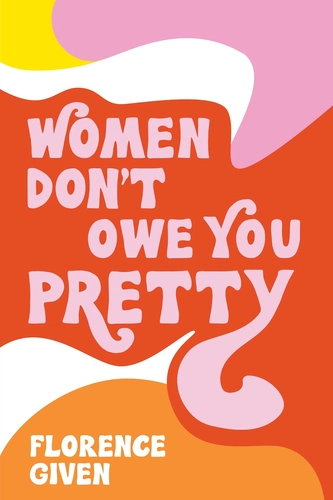
Women Don’t Owe You Pretty
How much of the way you see yourself comes from expectations you never consciously chose? Florence Given challenges beauty standards, people-pleasing, and the pressure on women to make themselves more appealing or agreeable to others. This bold, illustrated book encourages readers to question the rules they’ve been taught to follow and reconsider whose approval they’re working so hard to earn.
Best for: Readers who want to question restrictive beauty standards and other people’s expectations. -
#05

The Mountain Is You
Sometimes you know what needs to change, yet you keep returning to the same habits, relationships, or doubts. Brianna Wiest examines self-sabotage and the emotional patterns that can keep people stuck. For women who repeatedly undermine their own progress or struggle to move beyond familiar patterns, this book offers a way to reconsider what’s holding them back.
Best for: Readers who want to recognize self-sabotaging patterns and move forward. -
#06

Untamed
You may have become so good at meeting other people’s expectations that you’ve lost track of what you actually want. In this memoir, Glennon Doyle reflects on identity, relationships, motherhood, and the process of questioning a life shaped by outside expectations. It’s a compelling choice for women who want to reconnect with their own desires instead of automatically choosing what keeps everyone else comfortable.
Best for: Women who want to reconnect with their own desires and make choices that reflect their values. -
#07
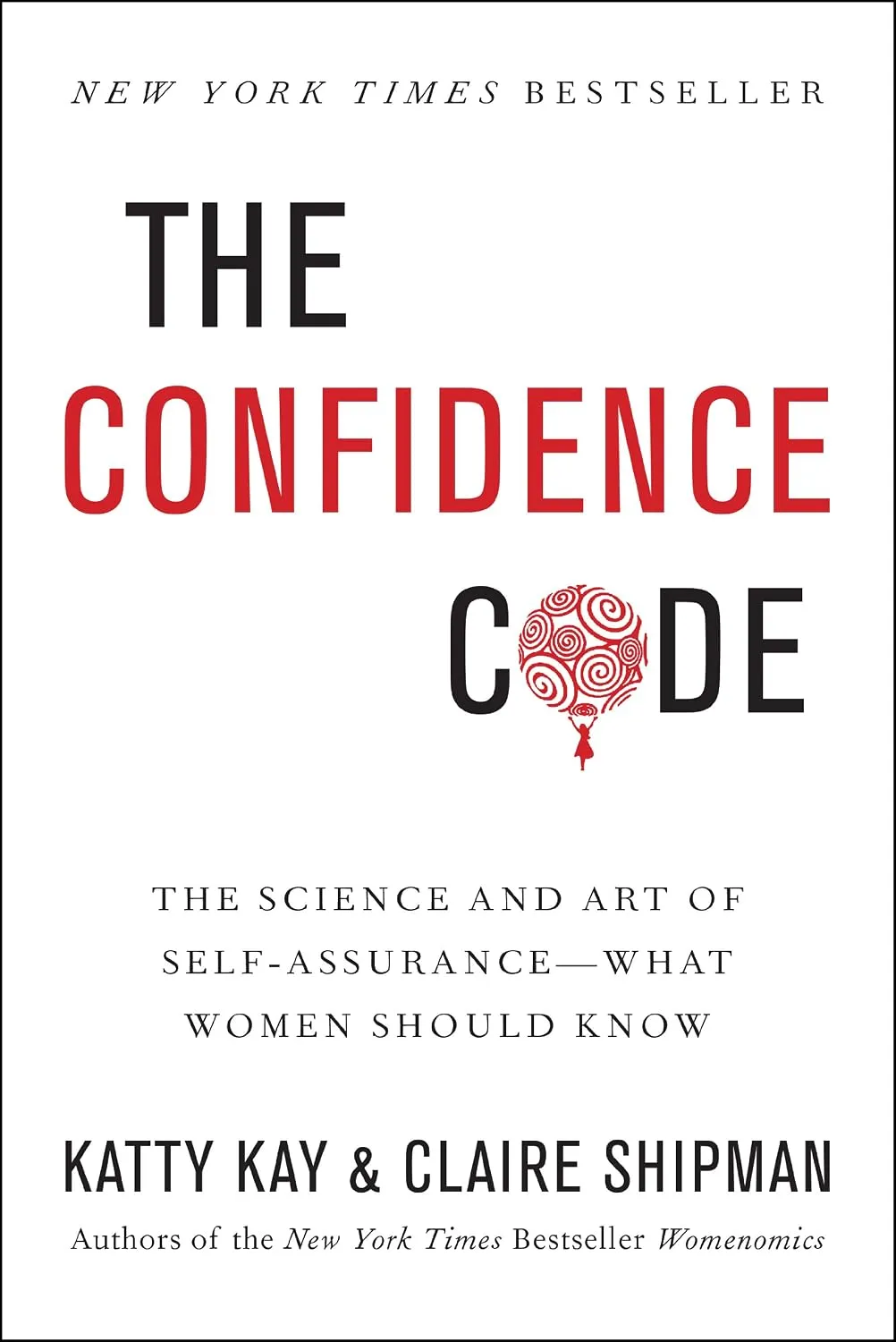
The Confidence Code
You can be qualified for an opportunity and still hesitate to pursue it because you’re afraid of making a mistake. Katty Kay and Claire Shipman examine confidence through the lens of women, achievement, and professional life. The book explores why self-doubt can affect women’s decisions and encourages readers to take action rather than waiting until they feel completely ready.
Best for: Women who want to act with more confidence at work and in everyday decisions. -
#08
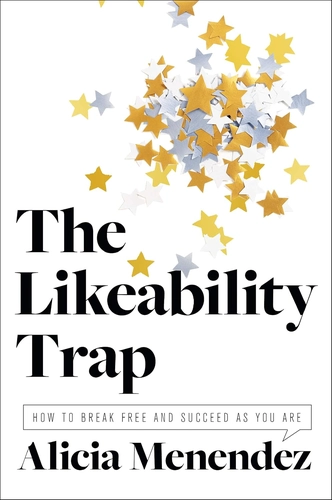
The Likeability Trap
You can be competent, ambitious, and capable, yet still worry about being seen as difficult, selfish, or unlikeable. Alicia Menendez examines the pressure women face to remain agreeable and how the pursuit of approval can affect their confidence and opportunities. This book encourages readers to question when being liked has become more important than being respected or speaking honestly.
Best for: Women who struggle with people-pleasing and feel pressured to be liked by everyone. -
#09
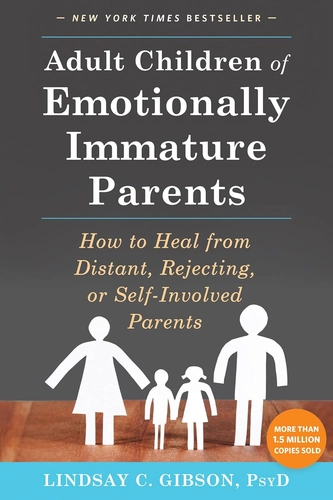
Adult Children of Emotionally Immature Parents
If you grew up feeling that you had to be easy, helpful, or emotionally self-sufficient to keep the peace, those patterns may follow you into adulthood. Lindsay C. Gibson examines how emotionally immature parenting can affect adult relationships and self-perception. This book can help readers recognize why they may feel responsible for other people’s emotions or struggle to trust their own needs.
Best for: Readers who want to understand how family dynamics may still affect their self-worth and relationships. -
#10
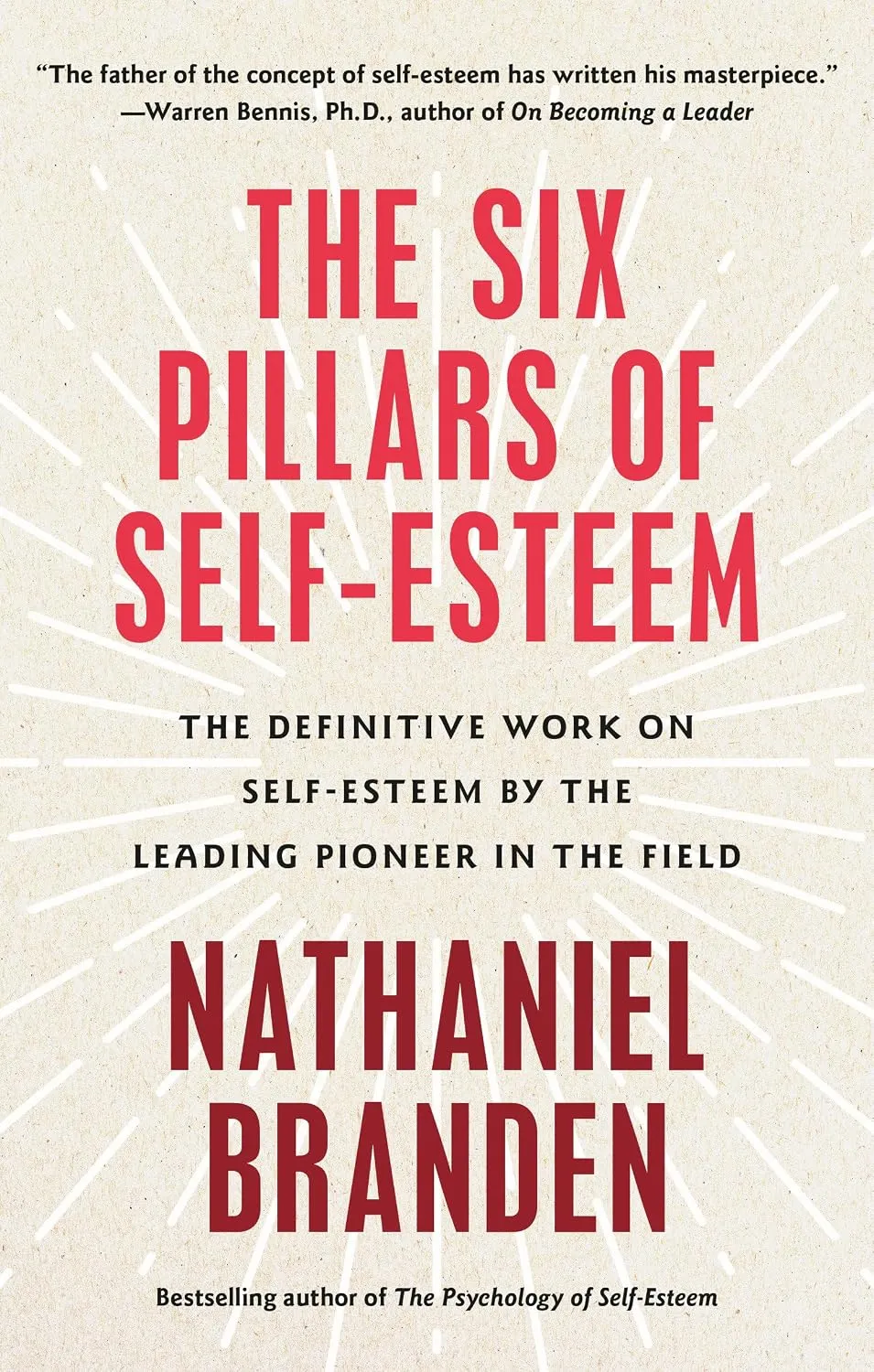
The Six Pillars of Self-Esteem
Self-esteem is difficult to build when your opinion of yourself changes with every success, mistake, or negative comment. Nathaniel Branden explores the practices he considers central to healthy self-esteem, including self-acceptance, personal responsibility, and assertiveness. It’s a more structured, psychology-focused option for readers who want to understand self-esteem beyond motivational advice.
Best for: Readers who want a structured, psychology-focused approach to self-esteem. -
#11
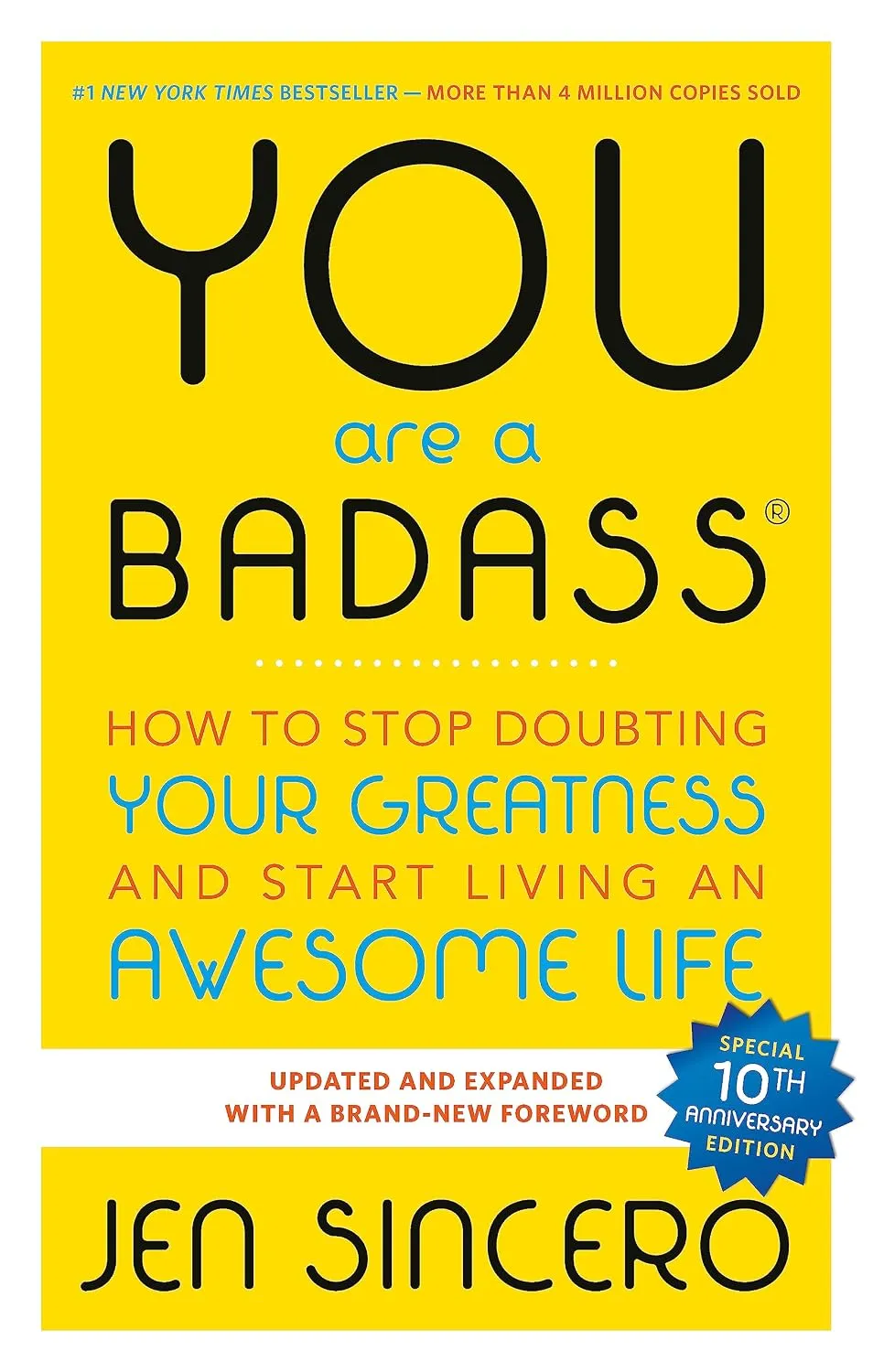
You Are a Badass
You don’t need to have every part of your life figured out before you start taking yourself seriously. Jen Sincero combines humor, personal stories, and motivational advice to challenge self-doubt and limiting beliefs. Its energetic style may appeal to readers who want an encouraging push to stop talking themselves out of opportunities and start making changes.
Best for: Readers who want an energetic nudge to challenge self-doubt and take action. -
#12
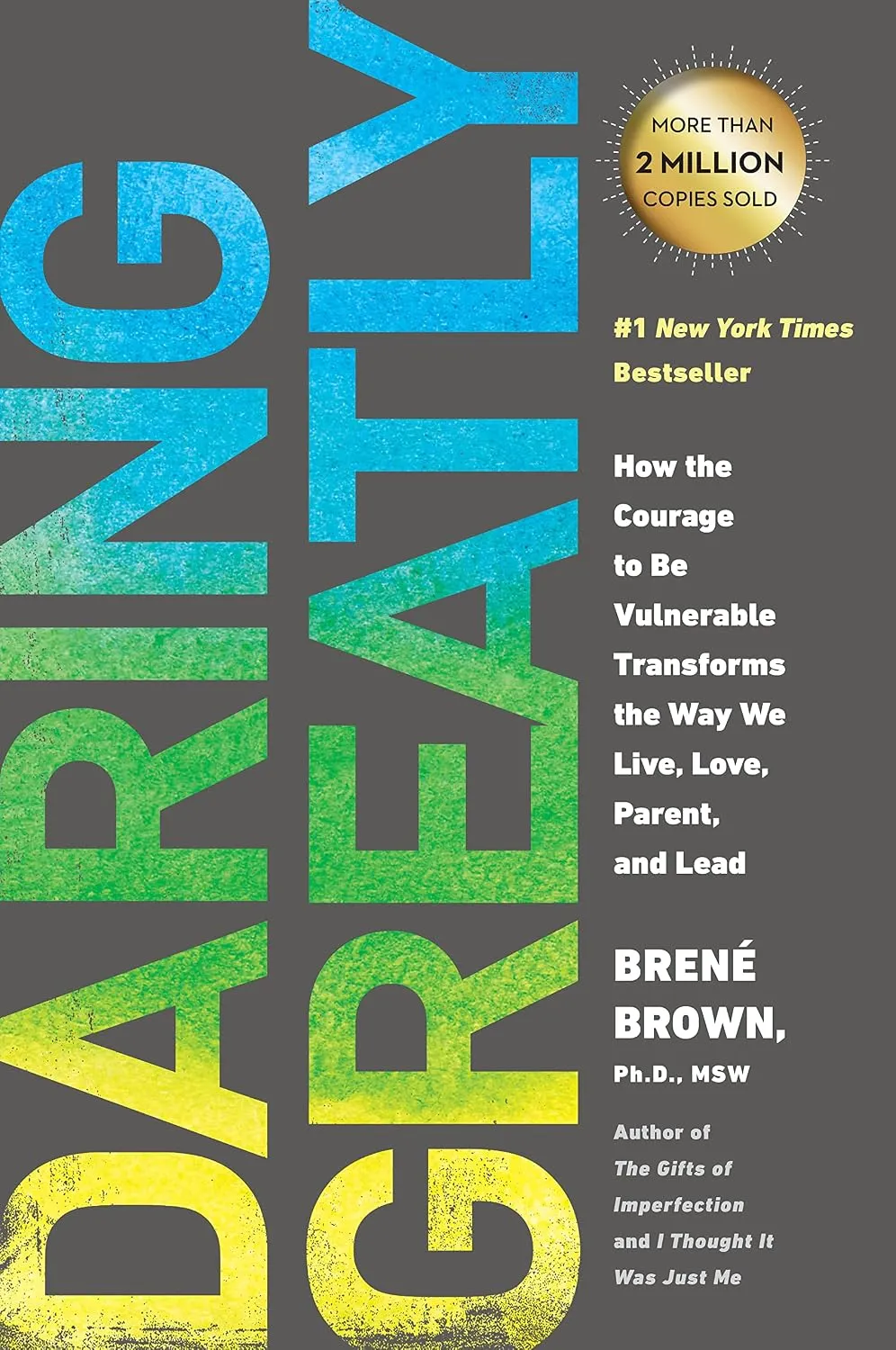
Daring Greatly
It’s tempting to protect yourself from criticism by never showing uncertainty, asking for help, or admitting that something matters to you. Brené Brown examines vulnerability, shame, and the fear of judgment, explaining why emotional openness can be part of courage rather than a sign of weakness. It’s relevant for women who feel they must always appear capable, composed, and in control to be respected.
Best for: Women who want to stop treating vulnerability as weakness and feel more comfortable being themselves. -
#13
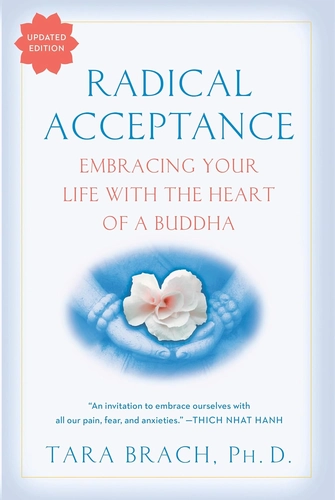
Radical Acceptance
You can recognize your strengths and still spend much of your time criticizing yourself for what you haven’t done well enough. Tara Brach explores how shame, self-judgment, and the feeling of being fundamentally inadequate can shape everyday life. Drawing on mindfulness and Buddhist teachings, she offers a path toward meeting difficult emotions with greater compassion instead of treating them as proof that something is wrong with you.
Best for: Readers who want to respond to self-criticism with greater compassion. -
#14
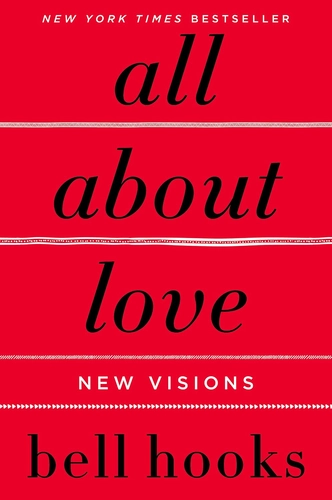
All About Love
Many people learn to associate love with sacrifice, endurance, or putting someone else’s needs ahead of their own. bell hooks challenges narrow ideas about love and examines the role of care, honesty, respect, and responsibility in relationships. For women trying to distinguish genuine love from approval-seeking or self-abandonment, the book offers a different way to think about what healthy love requires.
Best for: Readers who want to understand the difference between healthy love and self-abandonment. -
#15
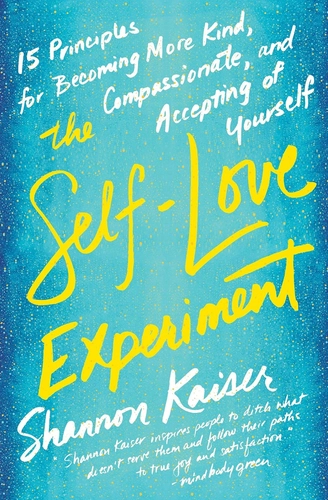
The Self-Love Experiment
You may be quick to encourage a friend through a difficult time but far harsher with yourself when you make the same mistake. Shannon Kaiser focuses on developing a healthier relationship with yourself through reflection and practical exercises. It’s a useful option for readers who want to turn the idea of self-love into everyday choices rather than treating it as a feeling they must somehow achieve.
Best for: Readers who want to turn self-love into practical everyday habits.