You know the feeling. It’s 2 AM. Your brain is running at full speed. That thing you said. That text you sent. That mistake from three years ago. You try to stop it. It doesn’t work.
Anxiety moves fast. Overthinking moves faster.
Most people try to fight it with logic. That never works. What actually helps with anxiety is action and presence, not more thinking.
Quick answer: How do I actually stop overthinking when it’s happening?
You catch the spiral early, pause before your brain takes off, shift your attention to your body, and take one small action instead of staying stuck in your head.
Here are three books that actually help with anxiety, each one offering a different way out of the loop.
1. Break the Anxiety Circle
A mental reset for people trapped in the overthinking loop.
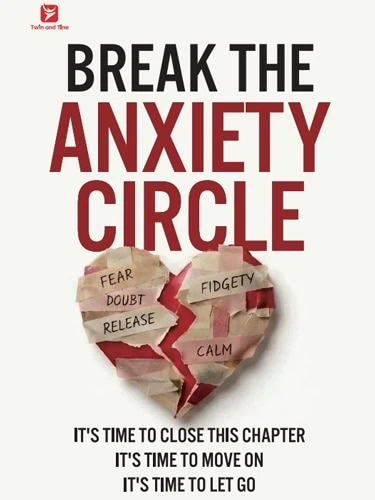
This book by Miles Carter is designed for the moment anxiety hits. Not the theory. The actual moment when your chest tightens and your mind starts racing.
Carter covers the patterns that keep people stuck. The endless what-ifs. The conversations you replay. The spiral that starts with one thought and ends in panic.
What makes this book different is how practical it is. It does not ask you to understand your anxiety. It asks you to stop it. The chapters are direct. Overthinking Will Kill Your Peace. Action Is the Antidote to Anxiety.
It also covers self-love, letting go of past regrets, and setting healthy boundaries. It is not just about managing anxiety. It is about rebuilding your relationship with yourself.
For anyone who needs tools they can use right now.
2. Overcoming Anxiety (2nd Edition)
A step-by-step guide rooted in clinical practice.
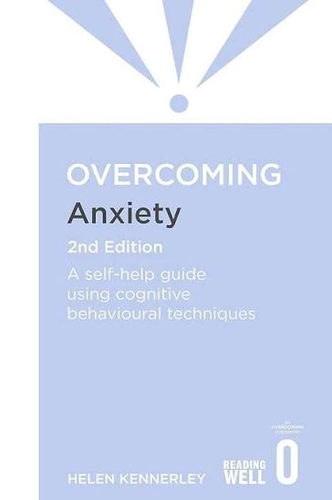
Dr. Helen Kennerley wrote this book for people who want to understand what is going on in their heads. It covers panic, phobias, OCD, and GAD in clear, straightforward language.
The book gives you a complete self-help program. Monitoring sheets. Practical tasks. A step-by-step CBT framework. You do not just read it. You work through it.
This is a great choice if you are new to CBT or on a waiting list for therapy.
3. At Last a Life
A personal journey that feels like a conversation with a friend.
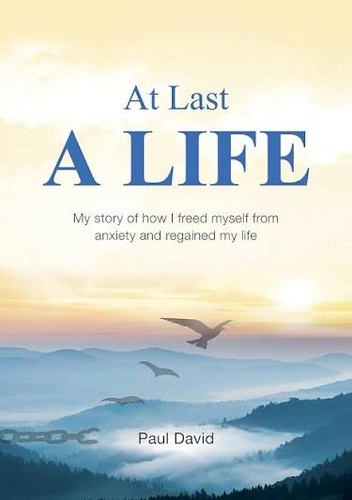
Paul David takes a different approach. It is not a clinical guide or a workbook. It is one person’s journey through anxiety and out the other side.
He writes like someone who has been exactly where you are. He does not tell you to fix yourself. He tells you to stop fighting. Anxiety feeds on resistance. The more you fight it, the stronger it gets. The way out is to let it be there and keep living anyway.
Read this when you’re tired of reading other books about anxiety.
Quick Answer: Which Book Should You Read First?
If you are spiraling right now, start with Break the Anxiety Circle. It gives you tools to interrupt the loop in the moment.
If you want structure and clinical understanding, pick Overcoming Anxiety.
If you are tired of fighting, go with At Last a Life.
Many people read all three. Each one offers a different piece of the puzzle.
Frequently Asked Questions
Can I actually stop overthinking?
Yes—but not by trying to stop thinking. That never works. Instead, you can recognize when thinking is no longer useful and redirect your attention.
What if other anxiety books did not help?
You were probably reading about anxiety instead of learning to interrupt it. Break the Anxiety Circle focuses on what to do when anxiety is actually happening.
Do I need to read these in order?
No. Start with the one that matches your biggest struggle right now.
How long until I see results?
Some people notice a difference after one chapter. For others, it takes weeks of practice. The key is to use what you learn.
Final Thought
Anxiety is not a life sentence. It is a pattern. Patterns can be broken. Not overnight. Not by willpower alone. But with the right tools and consistent practice, you can change how your mind works.
Start with one book. Try one technique. See what happens.