
Sometimes, the hardest part of solving a problem is understanding why it keeps happening. You overthink small interactions, struggle to say no, lose yourself in relationships, or keep repeating habits you want to change.
These 10 books tackle 10 common struggles, helping you better understand yourself, your relationships, and the patterns holding you back.
-
#01
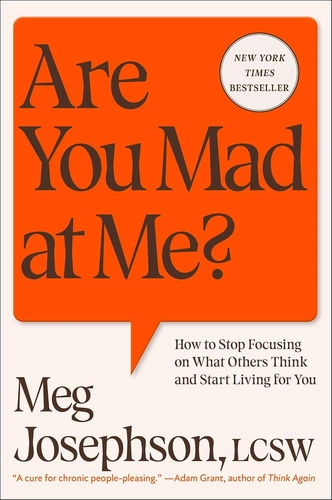
Are You Mad at Me?
Why Do I Always Think Someone Is Upset With Me?
A short reply, a different tone, a message left unanswered. Suddenly, you’re wondering what you did wrong. This book examines the anxiety and people-pleasing behind those fears. -
#02

The Let Them Theory
What If I Stopped Trying to Control Everyone?
Not everyone will agree with you, understand you, or make the choices you want. This book offers a simple shift: let people make their own decisions and put your energy back into your own life. -
#03

The Mountain Is You
Why Do I Keep Getting in My Own Way?
You promise yourself things will be different, only to fall back into familiar behaviors. This book explores the emotional patterns behind self-sabotage and why change can feel so difficult. -
#04

Women Don’t Owe You Pretty
Who Decided What Makes a Woman Worthwhile?
Looking good, being agreeable, and staying desirable can feel like obligations. Florence Given challenges the social expectations that encourage women to measure their worth through other people’s eyes. -
#05
 Add to Cart
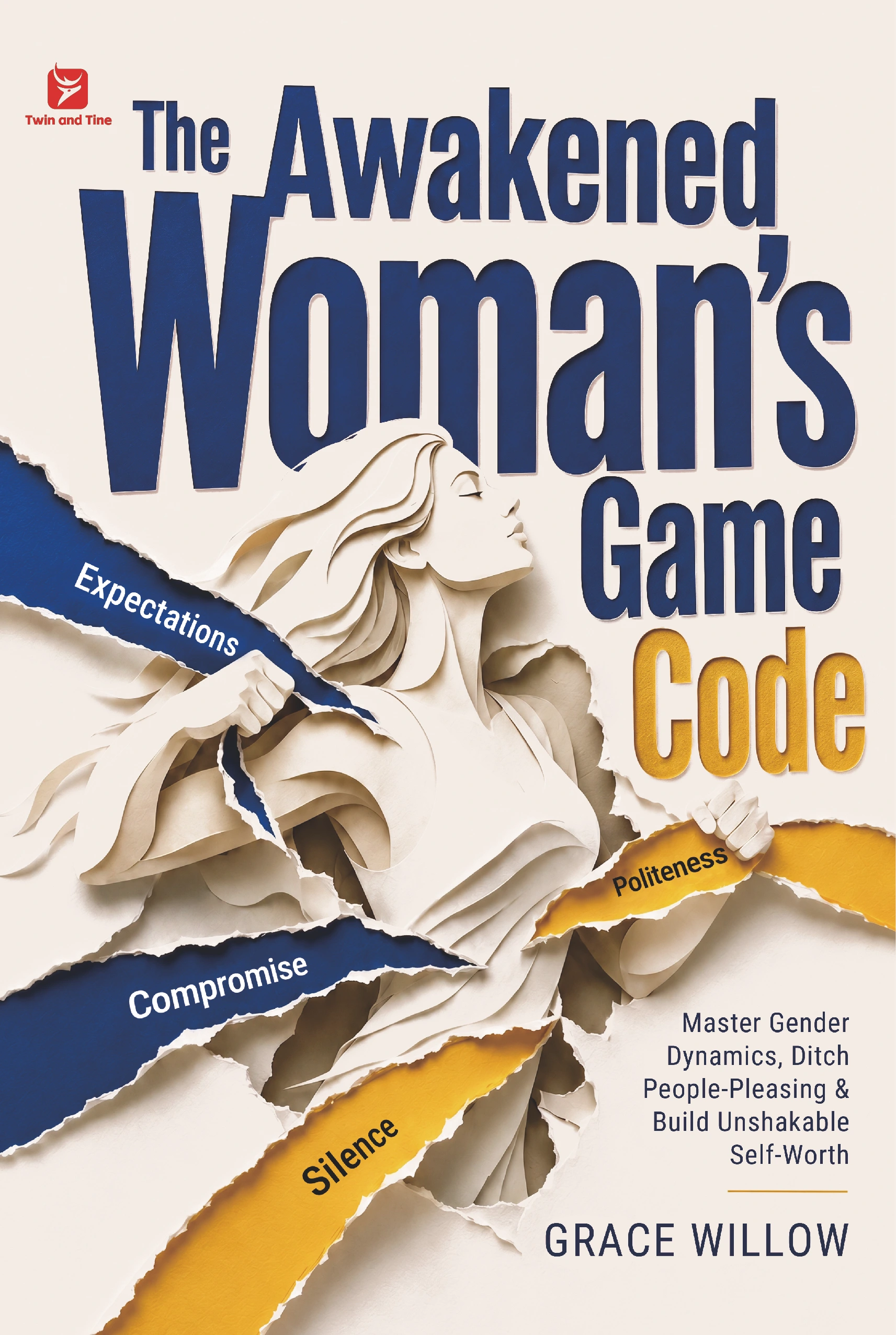
The Awakened Woman’s Game Code
Why Do Men Take Women for Granted?
You accommodate, forgive, and keep the relationship going, yet feel less appreciated over time. This book examines unequal effort, people-pleasing, and the dynamics that can leave women feeling taken for granted. -
#06
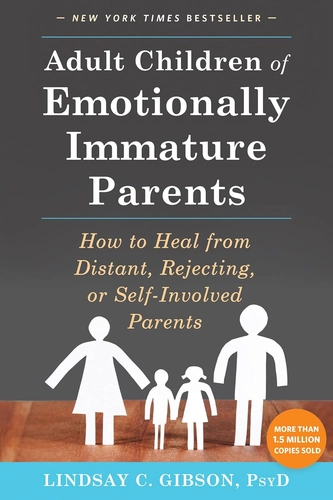
Adult Children of Emotionally Immature Parents
Why Am I Still Looking for My Parents’ Approval?
One conversation with a parent can make you feel like a child again. This book explores how emotionally immature parenting can shape your self-esteem, expectations, and adult relationships. -
#07
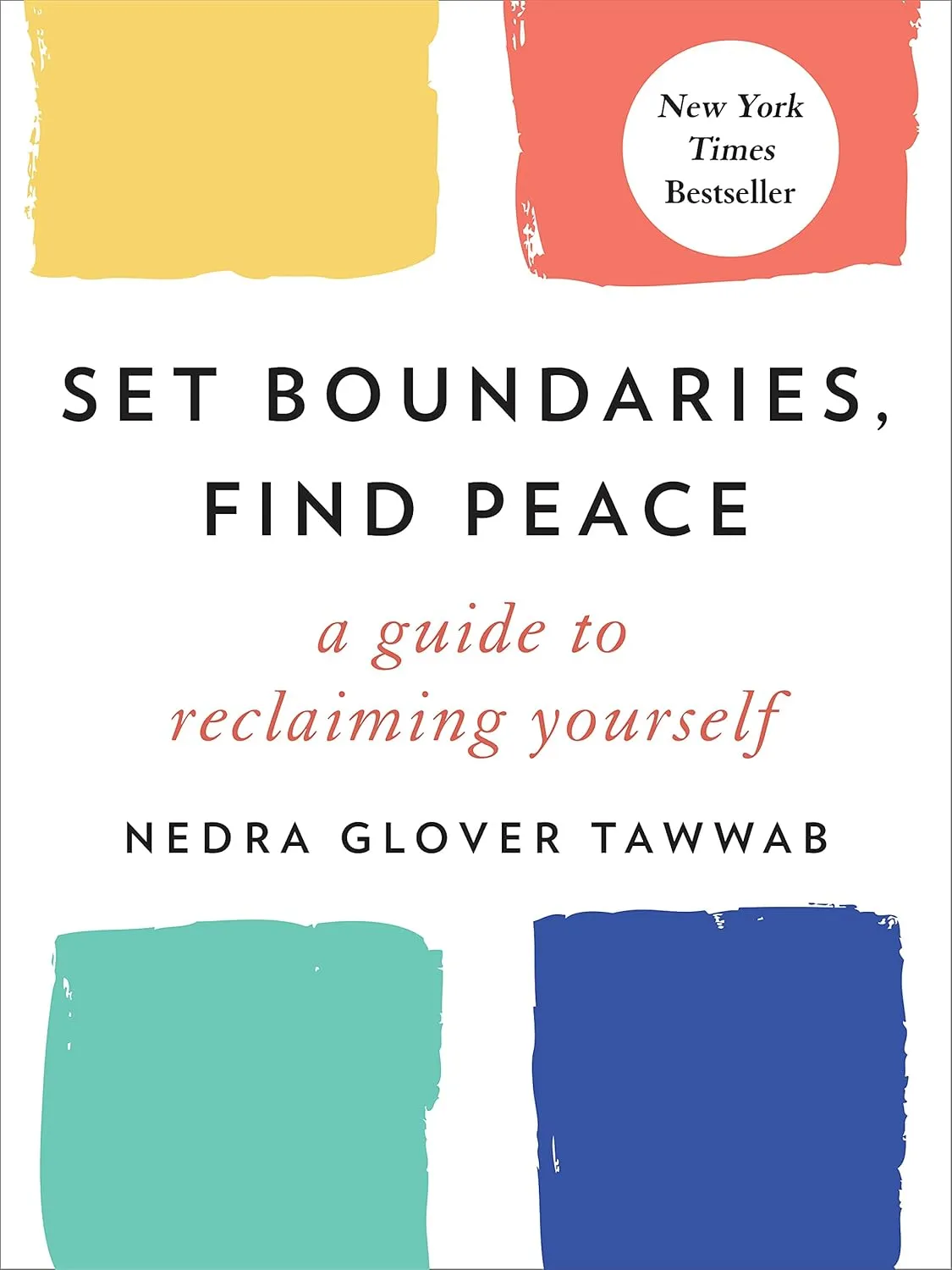
Set Boundaries, Find Peace
Why Do I Feel Guilty for Saying No?
Someone asks for a favor, and you’ve agreed before considering whether you have the time. This book offers practical guidance on setting limits without taking responsibility for everyone’s feelings. -
#08
 Add to Cart
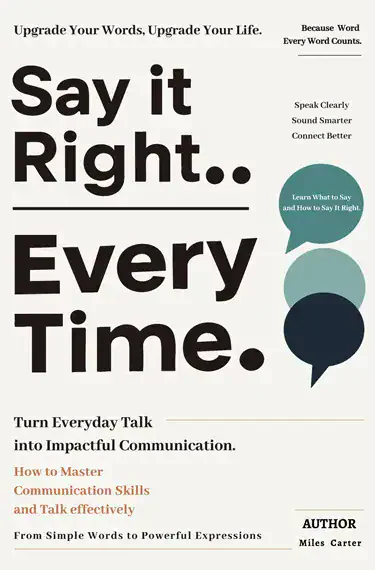
Say It Right Every Time
Why Do I Think of the Right Words Too Late?
The conversation ends, and suddenly you know exactly what you should have said. This book focuses on expressing yourself clearly, handling difficult conversations, and finding the right words when it matters. -
#09
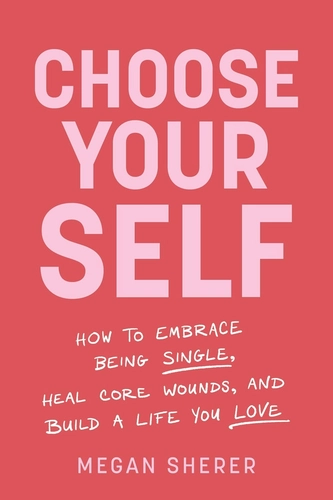
Choose Your Self
When Did I Stop Putting Myself First?
You know their preferences, their moods, and what keeps the peace. But what do you actually want? This book encourages you to reconnect with yourself instead of making a relationship the center of your identity. -
#10
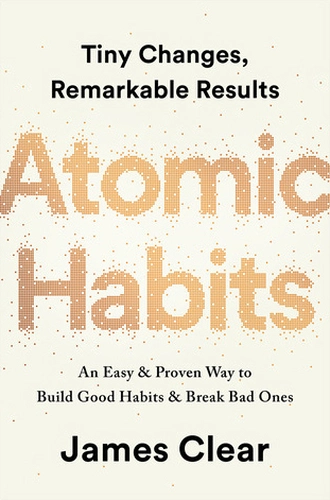
Atomic Habits
Why Does My Motivation Always Disappear?
A burst of motivation gets you started, but it rarely keeps you going when life gets busy. James Clear explains how small changes and better systems can make consistency easier.