

Overgiving is not a love language.
That is the first thing worth unlearning. You have probably been told, in one way or another, that giving more is the same as loving more. That the person who bends, accommodates, and anticipates is the one who cares deepest. That selflessness is the highest form of devotion.
But overgiving is not devotion. It is a strategy. And like all strategies, it has a goal—even if you have never named it.
What Overgiving Is Actually For
You are not giving too much because you love too much. You are giving too much because you are trying to secure something.
Maybe you are trying to secure their approval. If you are useful enough, they will not leave. Maybe you are trying to secure the peace. If you handle everything, there is nothing to argue about. Maybe you are trying to secure your own place in the relationship. If you are indispensable, you will not be replaced.
This is not a conscious calculation. It is a pattern that formed long before you had the language to describe it. You learned, somewhere along the way, that giving was safer than receiving. That being needed was more reliable than being loved. That if you stopped performing, the people around you might discover you were not worth keeping.
The pattern worked. For a while. It kept the peace. It kept the connection. It kept you from feeling the full weight of your own needs.
But the cost is invisible until it is not. You wake up one day exhausted. Resentful. Unsure of what you actually want. You have given so much that you have lost track of where your giving ends and you begin.
The Question That Changes Everything
The next time you find yourself doing something for your partner, pause. Ask yourself one question:
Am I being kind, or am I afraid to choose myself?
This is not a comfortable question. It exposes the difference between generosity and self-erasure. Real kindness comes from choice. It is given freely, without fear of what will happen if you stop. Overgiving comes from fear. It is given to prevent something—conflict, rejection, the feeling of not being enough.
You do not have to change your behavior yet. Just notice. Awareness creates a small gap between the impulse and the action. And in that gap, choice becomes possible.
How to Stop Overgiving: 4 Shifts That Change Everything
1. Stop Anticipating Needs That Have Not Been Expressed
Many overgivers are experts at anticipation. They notice what the other person needs before the other person knows themselves. They fix problems that have not been mentioned. They solve issues that have not been raised.
This feels like care. But it also prevents the other person from having to show up. It prevents them from having to notice, ask, or take responsibility. And it keeps you in the role of the one who always provides.
Let some needs go unanticipated. Let your partner notice. Let them ask. Let them be the one who steps forward.
2. Let People See What You Need
Overgivers often hide their needs—not because they are ashamed of them, but because they have learned to prioritize everyone else’s. They say “I’m fine” when they are not. They say “don’t worry about me” when they want to be worried about. They treat their own needs as burdens they should not place on anyone else.
But a relationship where one person’s needs are always met and the other’s are always hidden is not a relationship. It is a performance.
Start small. State one need. Ask for one thing. Let someone see that you are not endlessly self-sufficient.
3. Let the Other Person Meet You Halfway
This is the hardest shift. Many overgivers do not just give too much. They also prevent the other person from giving back. They step in before the other person has a chance to help. They take over before the other person has a chance to contribute.
Let them. Let them show up. Let them take responsibility. Let them find out what happens when you are not doing all the work.
Some people will rise to the occasion. Some will not. Both outcomes tell you something important.

4. Match the Energy You Receive
This does not mean keeping score. It does not mean punishing the other person for not giving enough. It means paying attention to whether the relationship is mutual.
If you are always the one who reaches out, stop reaching out for a week. See what happens. If you are always the one who plans, stop planning for a month. See what happens. If you are always the one who accommodates, stop accommodating. See what happens.
The results will tell you more than any conversation ever could.
What Overgiving Actually Costs
Overgiving does not just cost you energy. It costs you the experience of being in a real relationship.
When you are always the giver, you never find out what the other person is capable of. When you are always the one who handles everything, you never discover whether they would show up for you. When you are always the one who anticipates, adjusts, and accommodates, you never get to be the person who is seen, cared for, and met halfway.
You are not just giving too much. You are giving up the opportunity to be loved in a way that is mutual.
And that is the part that is hardest to admit—because it means the thing you are avoiding is not just conflict or rejection. It is the possibility that the relationship might not be capable of meeting you where you are.
How The Awakened Woman’s Game Code Helps You Stop Overgiving
This is not a book about becoming selfish. It is not about learning to withhold or to keep score. It is about understanding the patterns that keep you giving to your own detriment—and choosing differently.
Grace Willow looks at the quiet mechanics of overgiving: the fear of disappointing people, the habit of saying yes when you mean no, the slow erosion of boundaries that happens when you prioritize being needed over being known. She examines why being useful is not the same as being valued, and why being wanted is not the same as being chosen.
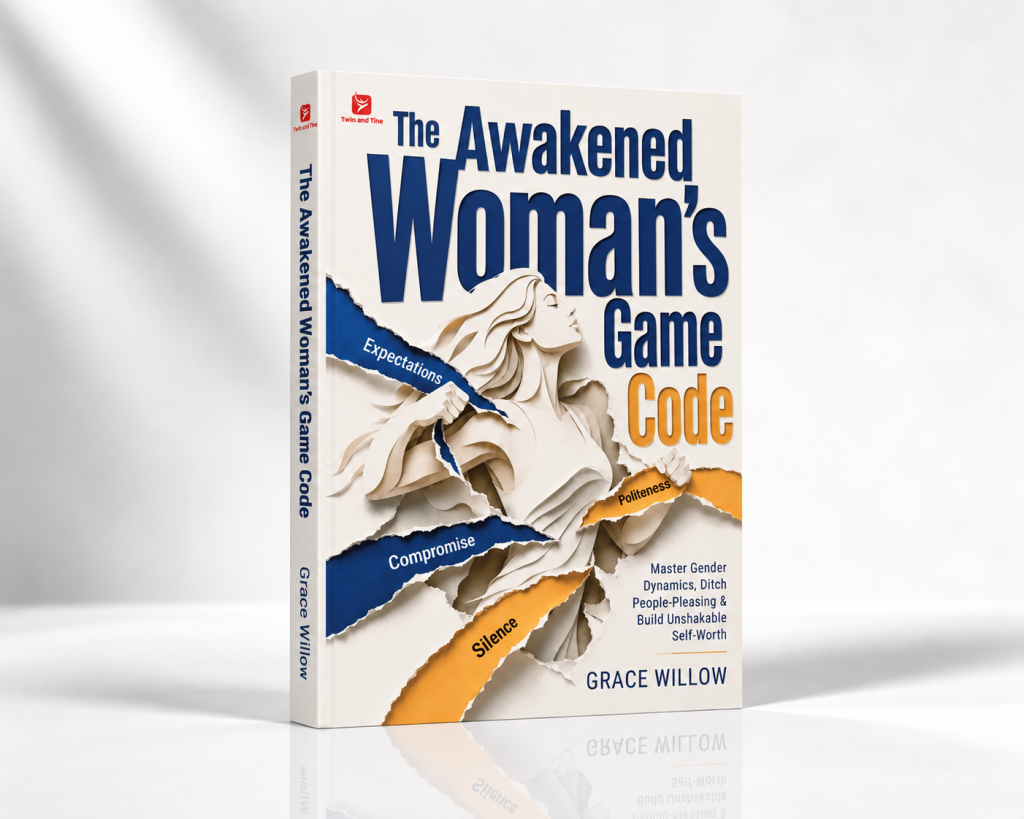
What makes this book different is that it does not ask you to demand more from your partner. It asks you to stop giving away what you cannot afford to lose. It does not tell you to become someone else. It shows you how to stop disappearing—one small, deliberate choice at a time.
If you have been overgiving for so long that you have forgotten what mutual care feels like, this book offers a way back. Not by making you harder. By helping you become whole.
Final Thoughts: A Summary on How to Stop Overgiving in a Relationship
Overgiving is not a love language. It is a strategy—a way of securing something you are afraid you will lose if you stop giving.
Real kindness does not leave you feeling unseen. Real connection does not make you question your place. Real love does not require you to disappear to keep it.
To stop overgiving, notice when you are giving to avoid something. Stop anticipating needs that have not been expressed. Let people see what you need. Let the other person meet you halfway. Match the energy you receive.
If you are ready to go deeper, The Awakened Woman’s Game Code by Grace Willow offers a clear, honest guide to understanding the patterns that keep you giving too much—and building a life that does not require you to.
FAQ: Overgiving in Relationships
What is the difference between overgiving and healthy generosity?
Healthy generosity comes from choice. Overgiving comes from fear—fear of conflict, rejection, or being seen as not enough.
Why do I overgive even when I know it’s hurting me?
Because it is a survival strategy, not a conscious choice. It kept you safe once, and unlearning it takes time.
How do I stop overgiving without becoming cold?
Overgiving and warmth are not the same thing. You can be kind and still have boundaries. The goal is choice, not coldness.
What if my partner does not step up when I stop overgiving?
That is not a failure. It is information. The relationship may have been built on your overgiving—and now you know what it is capable of.