
In the beginning, he made the effort. He texted first, planned dates, asked questions, and found reasons to spend time with you. You never had to wonder whether he was interested because he made it obvious.
Then something changed.
His messages became less frequent. Plans grew less certain. The attention that once came naturally started to feel like something you had to ask for.
When a man loses interest after pursuing you so intensely, it is easy to turn the situation inward. Did you become too available? Did the excitement disappear once he knew you liked him back? Should you have held back more?
Sometimes, the answer has less to do with what you did and more to do with what he was looking for in the first place.
Understanding why interest fades after the chase can help you separate genuine changes in a relationship from the urge to blame yourself for someone else’s behavior.

The Chase Is Not the Same as Commitment
Being pursued can feel reassuring. His attention makes you feel wanted, his effort makes you feel important, and his consistency in the early stages can make you believe that the relationship is heading somewhere meaningful.
But pursuit and commitment are not the same thing.
The early stages of attraction often come with novelty, anticipation, and uncertainty. Every conversation is new. Every date offers the possibility of getting closer. There is excitement in discovering whether two people are compatible and whether their interest is mutual.
A lasting relationship asks for something different. It requires consistency after the excitement settles, honest communication when expectations differ, and effort even when there is nothing new to win.
Some people enjoy the beginning of a relationship but struggle with what comes next. Others discover that their initial attraction was stronger than their desire to build something lasting.
That does not mean every man who becomes less attentive was pretending from the start. Interest can change for many reasons. What matters is whether he is willing to communicate honestly and continue making a genuine effort.
Why Men Sometimes Lose Interest After the Chase
1. He Enjoyed the Pursuit More Than the Relationship
For some people, the pursuit itself is exciting. They enjoy the anticipation, the challenge of getting closer, and the satisfaction of discovering that someone they want is interested in them too.
But once mutual interest is established, the dynamic changes. There is less uncertainty and fewer new milestones to anticipate.
If someone relies heavily on that early excitement, he may struggle to maintain the same level of interest when a relationship becomes more familiar.
This is not necessarily a conscious game. He may genuinely have felt attracted to you. The problem is that attraction during the pursuit does not automatically translate into the willingness to build a relationship.
Pay attention to what happens after the initial excitement fades. Does he continue getting to know you, making plans, and showing consideration? Or does his effort disappear once he feels confident that you like him?
The difference matters more than how intensely he pursued you at the beginning.
2. He Was More Drawn to the Challenge Than to Compatibility
During the early stages, you may have had your own routines, plans, interests, and priorities. You were getting to know him without having built your life around the relationship.
As you became closer, you may have opened up more, made more time for him, and started thinking about the relationship more seriously.
That change is natural. Becoming emotionally available is not a mistake, and showing someone that you care does not make you less valuable.
However, some people are more attracted to the challenge of winning someone’s attention than to the process of discovering whether they are genuinely compatible.
They may enjoy the idea of being wanted by someone independent or difficult to get to know, yet feel less engaged when a relationship requires mutual vulnerability and everyday effort.
If his interest depends on you remaining distant, uncertain, or difficult to reach, you may find yourself trying to recreate the early stages just to keep him engaged.
A healthy relationship should leave room for closeness without requiring you to act unavailable to remain desirable.
3. He Was Not Looking for the Same Kind of Relationship
Sometimes, the simplest explanation is that two people wanted different things.
He may have enjoyed flirting, dating, physical attraction, or the feeling of being desired without being ready for a committed relationship.
In the beginning, those differences may not have been obvious. The attention was there, the conversations were exciting, and both of you were enjoying the connection.
As expectations became clearer, however, he may have realized that he did not want the same level of commitment.
This can be particularly painful when his early behavior made you believe he was serious. You may wonder how someone who seemed so certain could become so distant.
But strong pursuit does not always mean two people share the same intentions.
Rather than judging his interest only by how much effort he made at the beginning, look at whether his words and actions align with the kind of relationship you want now.
4. He Struggles With the Effort a Relationship Requires
Pursuing someone can feel exciting because each gesture has an immediate purpose. Planning a date brings you closer. Sending a message creates anticipation. Making an effort helps establish a connection.
Long-term relationships involve a different kind of effort.
You have to communicate when something is wrong, make compromises, respect each other’s needs, and remain considerate when life becomes busy or stressful. You cannot rely on excitement alone to carry the relationship.
Some people are comfortable with romantic gestures but less comfortable with emotional responsibility. They may be enthusiastic when everything feels easy and withdraw when the relationship requires patience, accountability, or difficult conversations.
Of course, a change in effort does not automatically mean someone is incapable of commitment. Work pressure, personal difficulties, and changing circumstances can also affect how a person behaves.
The important question is whether he acknowledges the change and works with you to address it, rather than leaving you to carry the relationship alone.
What His Loss of Interest Does and Does Not Mean
When his attention changes, it is natural to revisit everything you did. You may wonder whether you replied too quickly, showed too much affection, agreed to too many plans, or made your feelings too obvious.
But there is no reliable rule that says you must remain distant to keep someone interested.
Being open about your feelings does not make you needy. Making time for someone does not mean you lack independence. Wanting consistency does not mean you are asking for too much.
It is possible that your relationship dynamic changed. It is also possible that his feelings changed, your expectations differed, or the two of you discovered an incompatibility that was not obvious at first.
You do not need to assume that every change was your fault, and you do not need to decide that he was deliberately playing games without evidence.
Instead, focus on what you can actually observe. Is he still making an effort? Does he communicate when something changes? Can you discuss your needs without feeling that you are risking the entire relationship?
These questions tell you more about the relationship’s potential than trying to identify the exact moment you became less exciting to him.

How to Respond When His Interest Starts to Fade
1. Stop Trying to Recreate the Chase
When someone pulls away, you may feel tempted to work harder. You send more messages, suggest more dates, become more accommodating, or try to bring back the version of the relationship that once felt effortless.
It is understandable to want that connection back. But you cannot restore mutual interest by taking responsibility for both people’s effort.
Instead, give the situation room to become clear. Continue showing interest if that is what you genuinely feel, but do not keep increasing your effort simply to compensate for his withdrawal.
A relationship does not need to be perfectly balanced every day. There will be times when one person has more to give than the other. What matters is whether both people are willing to contribute over time.
2. Look at the Pattern, Not One Quiet Day
A delayed reply or a canceled date does not necessarily mean someone has lost interest. People get busy, feel stressed, and sometimes need time to themselves.
Repeated changes are more informative.
If he consistently stops making plans, avoids conversations about the relationship, or leaves you responsible for maintaining contact, take that pattern seriously.
You can ask him directly whether something has changed. A clear conversation gives both of you an opportunity to explain what is happening and decide what you want.
But pay attention to what follows. If his explanation is reassuring while his behavior remains unchanged, you still have information you need to consider.
You do not have to interpret every small action. Look for consistency between what he says, what he does, and what he is willing to work on.
3. Decide What You Need Instead of Trying to Become More Desirable
It is easy to make his attention the central problem. You want to know why he pulled away and what you could do to make him interested again.
But there is another question worth asking: even if you could get his attention back, would the relationship meet your needs?
Would you feel secure if his interest returned only when you became less available? Would you be comfortable continually adjusting your behavior to prevent him from losing interest? Would you want a relationship in which you had to guess how much affection was safe to show?
You are allowed to want a relationship where affection, communication, and effort do not depend on maintaining uncertainty.
The goal is not to convince someone to choose you at any cost. It is to understand whether the connection you have is one you genuinely want to keep investing in.
4. Keep Your Own Life Intact
When a relationship feels uncertain, it can gradually take over your attention. You check your phone more often, replay conversations, postpone your plans, and look for signs that things might return to the way they were.
Over time, his level of attention can begin to determine how you feel about yourself.
Make a deliberate effort to keep your routines, friendships, interests, and personal goals. Not as a strategy to make him miss you, but because your life should not have to shrink whenever a relationship becomes uncertain.
You can care about someone and still maintain your independence. You can want the relationship to work without making your self-worth depend on its outcome.
If he is willing to build a relationship with you, there should be room for both closeness and individuality. If he is not, maintaining your own life will help you make decisions from a more grounded place.
Being Chased Is Not the Same as Being Chosen
The early pursuit can be exciting, but it is only one stage of getting to know someone.
Being chased tells you that someone wants your attention. Being chosen over time means that the person continues to show up, communicate, and make room for the relationship as it develops.
The difference becomes clearer when things are no longer new.
You do not have to make yourself harder to reach to prove that you are worth pursuing. Nor do you have to assume that every relationship that loses its early intensity is doomed. Attraction naturally changes as two people become more familiar with each other.
What matters is what replaces that initial excitement. Does it become trust, consistency, and genuine interest in one another? Or does one person keep trying to restore the thrill while the other gradually disengages?
You cannot control another person’s feelings. But you can decide what kind of behavior you are willing to accept, how much effort you want to invest, and whether the relationship reflects the respect you expect.
That shift in perspective can help you stop treating every change in his attention as a problem you must solve.
How The Awakened Woman’s Game Code Helps You Understand Relationship Dynamics
When a man’s interest fades, it is tempting to search for the right combination of distance, confidence, and behavior that will make him pursue you again.
But learning to recognize relationship patterns is more useful than trying to manage another person’s attention.
The Awakened Woman’s Game Code by Grace Willow is for readers who want to understand gender dynamics, people-pleasing, and self-worth without making a relationship the measure of their value.
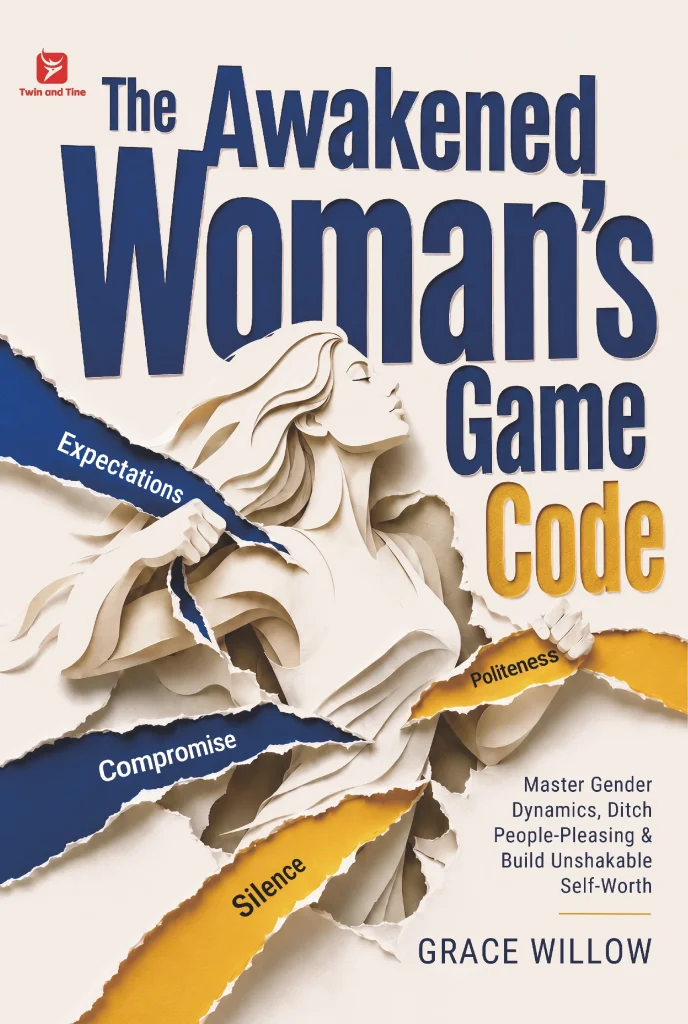
Rather than treating attraction as a set of tricks, the book’s central message is about understanding the dynamics between people and maintaining a stronger sense of self within relationships.
It connects with a common struggle: wanting to be loved while also wanting to feel respected, secure, and valued for who you are. When you become overly focused on keeping someone’s interest, it can be easy to lose sight of your own standards and needs.
The goal is not to learn how to keep every man interested. It is to become clearer about what you want, recognize when a relationship is asking too much of you, and stop treating someone else’s attention as proof of your worth.
If you have found yourself overthinking why his behavior changed or wondering whether you need to become less available to keep him interested, this book offers a broader perspective on attraction, boundaries, and self-worth.
Final Thoughts
Men can lose interest after the chase for different reasons. Some enjoy the excitement of pursuit more than the work of maintaining a relationship. Others discover that they want different things, struggle with commitment, or simply find that the initial attraction does not develop into something deeper.
You cannot know the reason from one change in behavior alone. Look at the pattern, communicate directly, and consider whether his actions align with the relationship you want.
Most importantly, do not turn his changing interest into a verdict on your value.
You should not have to hide your feelings, manufacture distance, or constantly adjust your personality to keep someone engaged. A lasting relationship requires more than the excitement of being pursued. It requires two people who continue choosing to participate.
You deserve the chance to build that kind of connection without losing yourself in the process.
FAQ: Losing Interest After the Chase
Why do men lose interest after they get what they want?
Some people are more motivated by the excitement of pursuit than by the commitment that follows. Others may have different expectations or discover that their attraction does not develop into a lasting connection. The reason depends on the person and the relationship.
Do men lose interest when you become too available?
Not necessarily. Being open, affectionate, and willing to spend time together does not automatically make someone lose interest. If a person’s attention depends on you remaining distant or uncertain, it is worth considering whether that dynamic is right for you.
Did I do something wrong to make him lose interest?
Not automatically. A change in interest can reflect compatibility, timing, changing feelings, or different relationship goals. Rather than blaming yourself, look at the broader pattern and consider whether both people are contributing to the relationship.
Can a man lose interest and come back later?
Yes, it is possible for someone’s interest to return, but renewed attention does not necessarily mean the underlying issues have changed. If he comes back, pay attention to whether his behavior becomes more consistent and whether he is clear about what he wants.
How can you tell if a man is genuinely interested?
Look beyond the intensity of the early pursuit. Genuine interest is more likely to show up through consistent effort, honest communication, respect for your boundaries, and a willingness to work through difficulties together.