
You remember the conversation on your way home. Maybe you said something awkward, reacted too sharply, or failed to speak up when you had the chance. The moment itself lasted only a few minutes, but your mind keeps returning to it. You replay what you said, imagine how the other person might have interpreted it, and come up with better responses you wish you had used. Even when the day moves on, part of you is still stuck there.
Regret can be useful when it helps you recognize a mistake and make a different choice next time. The problem begins when reflection turns into repeated self-punishment. You keep reviewing the same event as if thinking about it one more time will somehow change what happened.
Learning to let go of guilt does not mean pretending you never made a mistake. It means understanding what happened, taking responsibility where necessary, and allowing yourself to move forward instead of making one moment the measure of your entire character.

Why You Keep Replaying Things You Wish You Had Done Differently
Sometimes the mind returns to an uncomfortable memory because the situation feels unfinished. You may wish you had explained yourself better, apologized sooner, or made a different decision. Replaying the event can feel like preparation, but after a certain point, the same thoughts stop producing useful answers.
Several patterns can keep regret alive:
- You expect yourself to have known better. Looking back with information you did not have at the time makes your past decision seem more obviously wrong than it really was.
- You confuse a mistake with your identity. Instead of thinking, “I handled that badly,” you start thinking, “I’m always terrible at this.”
- You keep searching for certainty. You want to know exactly what another person thinks of you, even when there is no way to confirm it.
- You believe guilt proves you care. Letting go may feel like excusing what happened, so you continue feeling bad to demonstrate that the mistake matters.
- You struggle to accept an imperfect outcome. You keep imagining how things could have gone if you had chosen different words or acted sooner.
Recognizing these patterns gives you somewhere to begin. Rather than trying to force the memory away, you can ask whether thinking about it is helping you make a useful change or simply making you feel worse.
How to Move From Regret to a Useful Next Step
When an uncomfortable memory returns, try separating what you can learn from what you cannot change. If you hurt someone, a sincere apology or a different approach in the future may be appropriate. If you made a reasonable decision with limited information and the outcome was disappointing, repeatedly criticizing yourself may offer nothing more than additional distress.
A simple process can help you work through the situation.
1. Describe what happened without attacking yourself.
Replace “I ruin every relationship” with a more specific observation, such as “I became defensive during that conversation and didn’t listen carefully.” The second statement gives you something you can actually work on.
2. Identify what was within your control.
You can take responsibility for your words, choices, and actions. You cannot control every person’s reaction, guarantee that nobody misunderstands you, or rewrite the past.
3. Decide whether repair is possible.
If you owe someone an apology or need to correct a mistake, take a practical step. If there is nothing more to repair, acknowledge that you have reached the limit of what you can do about the situation.
4. Choose one lesson for the future.
Perhaps you need to pause before responding when angry, ask a question instead of making an assumption, or communicate your needs more directly. A clear lesson is more useful than repeatedly telling yourself that you should have done better.
5. Redirect your attention when the review becomes repetitive.
When the same memory returns without offering anything new, remind yourself that you have already considered it. Then return to the activity in front of you. You do not need to settle every uncomfortable thought before continuing with your day.
This process takes practice. You may understand intellectually that the past cannot be changed and still feel a wave of guilt when you remember it. The goal is to respond to that feeling differently rather than expecting it to disappear immediately.
Stop Treating Every Mistake as Proof That You Are Not Good Enough
One reason guilt becomes so persistent is that people often apply harsher standards to themselves than they would apply to anyone else. If a friend made the same mistake, you might consider the circumstances, recognize their good intentions, and help them figure out what to do next. When you make the mistake, however, you may focus only on what you should have done differently.
Try asking yourself three questions:
- Would I judge someone else as harshly if they were in the same situation?
- Am I evaluating what I actually did, or assuming the worst about what it says about me?
- What would taking responsibility look like without continuing to punish myself?
Self-forgiveness is not the same as denying responsibility. You can acknowledge that your behavior was hurtful, make an effort to repair the damage, and still believe that you are capable of change. In fact, separating your identity from a particular mistake can make it easier to face the mistake honestly.
A Book for Breaking the Cycle of Self-Blame
Break the Anxiety Circle by Miles Carter explores self-worth, self-forgiveness, rumination, emotional regulation, and the difficulty of releasing past regrets. It addresses the patterns that keep people mentally tied to uncomfortable experiences, including overthinking what happened and allowing other people’s reactions to shape their sense of personal worth.
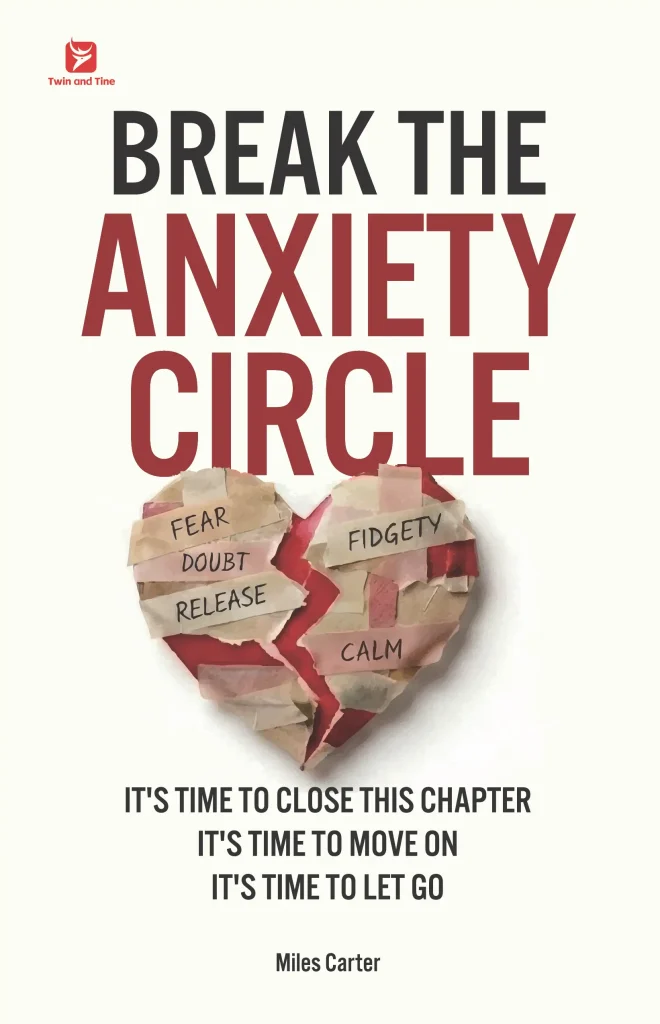
Rather than treating every difficult feeling as something that must be eliminated, the book encourages readers to examine their emotional habits and develop a healthier relationship with themselves. Its themes are relevant when you know that an experience is over but continue carrying it into new conversations, decisions, and relationships.
The book also explores the importance of accepting imperfection and reconnecting with your own needs. These ideas can help you shift attention away from endless self-criticism and toward the choices you can make in the present.
You Can Learn From the Past Without Living in It
You may never feel completely satisfied with every decision you have made. There will be conversations you wish had gone differently, opportunities you wish you had taken, and moments when you could have handled your emotions better. Those experiences can teach you something without requiring you to revisit them indefinitely.
The next time guilt returns, ask what action or lesson it is pointing toward. If there is something useful to do, do it. If you have already taken responsibility and nothing more can be changed, practice allowing the memory to remain in the past.
Break the Anxiety Circle offers a starting point for readers who want to loosen the grip of rumination, practice self-forgiveness, and stop allowing old mistakes to define how they see themselves today.