
You leave a conversation and spend the next hour wondering whether you said something wrong. When a friend seems distant, you assume you must have upset them. Even after apologizing for a mistake, you keep thinking about it, wishing you had acted differently. Other people may have moved on, but you are still putting yourself on trial.
If this sounds familiar, the problem may not be that you make more mistakes than everyone else. You may have developed a habit of taking too much responsibility for what happens around you and being far less forgiving of yourself than you are of other people.
Learning how to stop blaming yourself for everything does not mean avoiding responsibility. It means recognizing the difference between something you genuinely need to make right and something you keep punishing yourself for long after there is nothing left to fix.

Why Do You Keep Blaming Yourself?
Self-blame can feel like a way to regain control. If you believe every disagreement is your fault, you can tell yourself that being more careful, more agreeable, or more considerate will prevent the next one. But this habit often leads to overthinking rather than genuine change.
You might recognize yourself in these patterns:
- Taking other people’s moods personally. Someone replies coldly, and you immediately search for something you did wrong.
- Replaying old mistakes. You know the situation is over, but your mind keeps returning to what you should have said or done.
- Apologizing when you have done nothing wrong. You would rather accept the blame than risk disappointing someone or creating conflict.
- Struggling to forgive yourself. You can understand why another person made a mistake, yet hold yourself to a much harsher standard.
These habits can leave you exhausted and uncertain about your own judgment. Over time, you may start making decisions based on avoiding guilt instead of considering what you actually want or need.
The first step is to pause when self-blame appears and ask a more useful question: Did I genuinely do something wrong, or am I assuming that I am responsible because someone else is unhappy?
A Book That Addresses Self-Blame and Overthinking
Break the Anxiety Circle by Miles Carter explores several issues connected to persistent self-blame, including self-worth, self-forgiveness, rumination, emotional reactions, and the difficulty of letting go of the past.
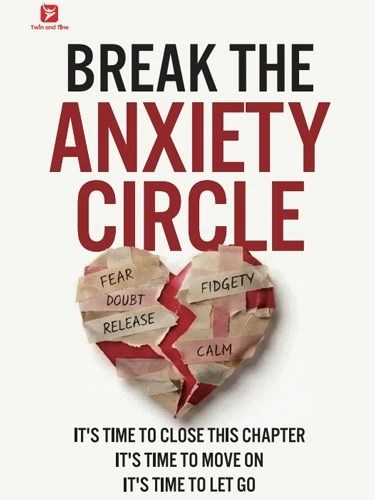
What makes these topics relevant is how closely they connect in everyday life. You regret a conversation, criticize yourself for handling it badly, worry about how the other person sees you, and then become anxious about the next interaction. Even a small incident can turn into hours of mental replay.
The book addresses this cycle from several angles.
First, it explores self-worth and self-forgiveness. A mistake does not have to become a verdict on your character. You can admit that you handled something poorly without deciding that you are incapable, selfish, or unworthy of respect.
It also focuses on letting go of the past. Some situations deserve an apology or a practical solution. Others cannot be changed, no matter how many times you revisit them. Learning to recognize the difference can help you stop spending so much energy on events that are already over.
Finally, it examines people-pleasing and boundaries. If you routinely blame yourself whenever someone is disappointed, you may find it difficult to say no or express what you really think. The book explores why these patterns develop and how learning to respect your own needs can help you respond differently.
Rather than focusing on self-compassion as an abstract idea, these themes connect it to situations many readers already struggle with: regretting what they said, worrying about other people’s reactions, and feeling guilty for putting themselves first.
How to Stop Turning Every Mistake Against Yourself
As you work on this habit, start with one situation that keeps coming back to mind. Instead of trying to force yourself to stop thinking about it, write down what actually happened, what you believe you did wrong, and what you can reasonably do about it now.
If you owe someone an apology, make one. If there is something you can learn, identify it. But if you have already addressed the situation and are simply repeating the same criticism, recognize that further rumination may not help you solve anything.
It also helps to notice the language you use with yourself. Compare “I should have handled that conversation differently” with “I ruin every relationship.” The first statement identifies something you can learn from. The second turns one experience into a sweeping judgment about who you are.
You do not need to convince yourself that every decision was right. You need to give yourself the same opportunity to learn and move forward that you would give someone you care about.
Is Break the Anxiety Circle Worth Reading?
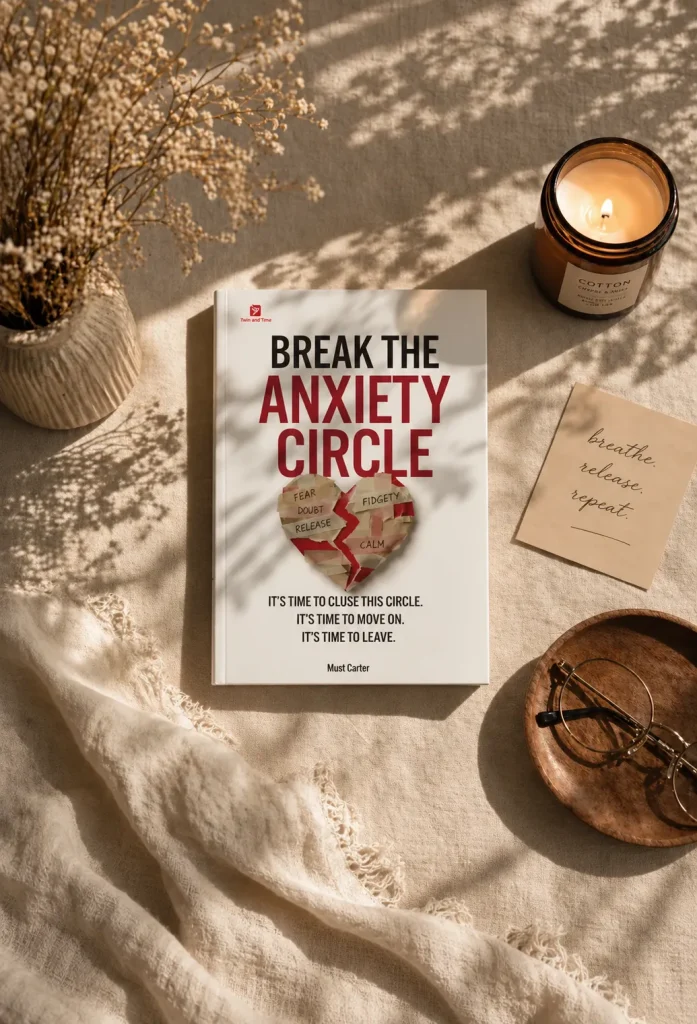
If you regularly replay conversations, struggle to forgive yourself, or feel responsible for keeping everyone around you happy, Break the Anxiety Circle is worth considering. Its focus on self-worth, regret, overthinking, and boundaries makes it relevant to readers who want to understand why they remain stuck in cycles of self-criticism.
The book is particularly suited to people whose anxiety is not limited to worrying about the future. Sometimes the difficulty is letting go of the past: an argument that has ended, a decision that cannot be reversed, or a moment when you believe you disappointed someone.
By bringing these issues together, Miles Carter’s book offers a way to examine the habits that keep those worries alive. It is a practical starting point for readers who want to understand their emotional reactions, stop treating every uncomfortable interaction as a personal failure, and develop a healthier relationship with themselves.
You can take responsibility for your mistakes without making yourself suffer for them indefinitely. The next time you catch yourself replaying something you wish you had done differently, ask what you can learn from it. Once you have your answer, allow yourself to move on. You do not have to keep blaming yourself to prove that you care.