
I remember my second month at a new job. I sent a quick email to accounting about a client invoice. Short, polite, to the point. Three days later, my manager pulled me aside. The client was furious. The invoice had been wrong, and my email had sounded like I was blaming the accountant. I wasn’t. But the words on the screen said otherwise.
That moment taught me a hard lesson. How important is communication in the workplace? It is not just about talking. It is about being understood. And when you get it wrong, the fallout lands on everyone.
I have spent the last decade watching teams rise and fall on this single skill. The quiet developer who never asks for help. The manager who sends passive-aggressive Slack messages. The colleague who nods in meetings but never follows through. Every single one of these situations traces back to one thing. Communication.
So let me break this down. Not with corporate jargon. Not with buzzwords. With real moments, real scripts, and real ways to fix the mess.
Why Does Communication in the Workplace Keep Failing Us?
Here is the uncomfortable truth. Most of us were never taught how to communicate. We learned how to talk. We learned how to write emails. But nobody sat us down and said, here is how you disagree with a boss without getting fired.
I worked with a project manager named Dana once. She was brilliant. Her spreadsheets were works of art. But every Monday, she would send a list of “concerns” to the team. The list was long. The tone was icy. Within a month, nobody wanted to work with her.
Dana thought she was being clear. She was being hostile. And nobody told her, because nobody knew how to say it.
The same thing happens in reverse. How many times have you held back a question because you did not want to look stupid? Then the project goes sideways, and you realize that question was the one that mattered.
Here is what I have come to believe. How important is communication in the workplace? It is the difference between a team that trusts each other and a team that just shares a calendar.
How Can You Actually Improve Communication at Work?
Stop trying to be clever. Start trying to be clear.
I know that sounds simple. It is not. Clarity takes effort. It takes editing your own words before you send them. It takes asking, what does this person actually need to hear?
Let me give you a specific example. A designer I managed once came to me with a problem. She had been given feedback by a senior leader. The feedback was vague. “Make it pop more.” She had no idea what that meant. So she guessed. She redesigned the whole page. It was wrong. She spent three days on it.
The fix was not a design skill. It was a communication skill. She needed to ask better questions.
Instead of “What do you mean by pop?” she could say, “Do you want the headline to be bolder, or do you want brighter colors in the imagery? Which one feels closer to the vision?”
That is the difference. Vague questions get vague answers. Specific questions get usable answers.
Here is another practical tool. When someone gives you feedback, repeat it back. Say, “So what I am hearing is that the intro section needs to be shorter and the pricing table needs to come first. Is that right?”
It feels awkward the first ten times. Then it becomes a habit. And suddenly, you stop having those meetings where everyone walks out with a different understanding of what was decided.
What Is the 3-Beat Confirmation Method?
I have a framework I use with every team I work with. I call it the 3-Beat Confirmation. It takes two minutes and saves hours.
Beat one. State the decision or request in one or two sentences. No background story. No justification. Just the core message.
Beat two. Ask the other person to explain it back in their own words. Not “do you understand?” because everyone says yes to that. Ask, “How would you explain this to someone else?”
Beat three. Write it down. Send a quick follow-up message. “Just to lock it in, we agreed on X by Friday. Let me know if anything changes.”
That is it. Three beats. It feels bureaucratic at first. Then you realize how many miscommunications it catches.
I used this with a sales rep who kept missing deadlines. He was not lazy. He was overwhelmed. But he never said so. He just said “got it” in meetings. My 3-Beat system exposed the gap. When he had to explain the task back, he would pause. That pause was the truth. He did not know how to do it.
Once we saw that, we could actually help him. We gave him training. We adjusted his workload. He became one of the best performers on the team.
This is why learning how to communicate properly matters. It is not about being nice. It is about finding out what is actually going on before it becomes a crisis.
What About Written Communication in the Workplace?
Email is a minefield. You cannot see the person’s face. You cannot hear their tone. A joke falls flat. A short answer reads as anger.
I have a rule for myself now. If I am annoyed while writing an email, I do not send it. I draft it. Then I wait. Then I rewrite it in a calmer tone.
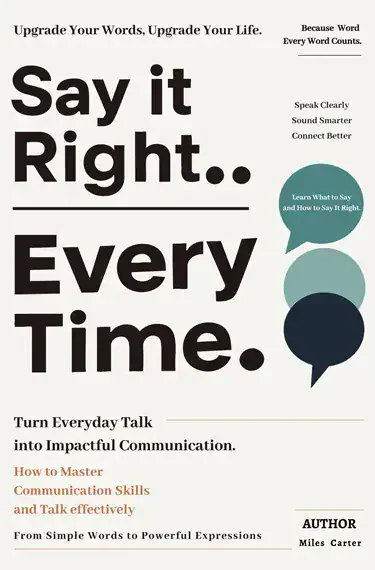
The book Say It Right Every Time by Miles Carter helped me see this clearly. Carter shows side by side examples of how the same message lands differently. One version is direct and cold. The other is direct and warm. Same information. Completely different outcome.
Carter also walks through real situations like job interviews and difficult conversations. His comparisons between effective and ineffective phrasing feel obvious once you read them. But nobody tells you this stuff. You are supposed to just figure it out.
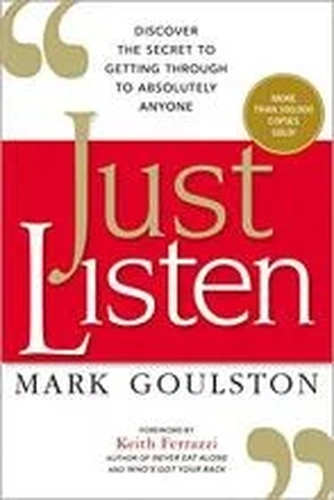
There is another book that changed how I listen. Just Listen by Mark Goulston. Goulston is a psychiatrist, and his point is simple. You cannot get through to anyone until you understand what is blocking them. He says things go from bad to worse if you cannot break through emotional barricades.
I think about that every time a coworker seems stubborn. They are not being difficult on purpose. They are scared. They are protecting themselves. And the only way through is to actually listen first.
How Do You Handle Difficult Conversations?
Nobody likes confrontation. But avoiding it makes everything worse.
I had to tell a friend and colleague that her work was not up to standard. It was one of the hardest conversations of my career. I kept delaying it. Every day I delayed, the project slipped further.
When I finally did it, I used a simple structure. I said, “I want to talk about the client report. I have noticed the last two drafts missed the data analysis section. Can we talk about what is getting in the way?”
She looked relieved. She thought I was going to fire her. We talked for twenty minutes. She had a family issue at home. She needed a lighter workload for two weeks. That was it.
The problem was never her ability. It was my fear of having the conversation.
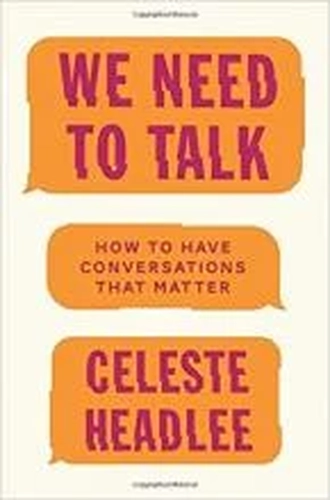
We Need to Talk by Celeste Headlee makes this point beautifully. She says we are more divided than ever, and part of the blame is that we have forgotten how to talk to each other. We hide behind screens and short messages. We never actually connect.
She is right. I see it every day. Two coworkers sitting next to each other, messaging over Slack instead of turning around.
How Important Is Communication in the Workplace for Your Career?
Let me be blunt. You can be the hardest worker in the room. If nobody understands what you do, you will not get promoted.
I have seen average workers advance because they communicated well. I have seen brilliant workers stagnate because they stayed silent.
Communication is the packaging. Your work is the product. No matter how good the product is, if the packaging is broken, people will not buy it.
That sounds cynical. But it is true. And once you accept it, you can do something about it.
Start small. In your next meeting, say one thing. Just one. Even if you are not sure. Especially if you are not sure.
Then build from there.
Frequently Asked Questions
How important is communication in the workplace compared to technical skills?
Both matter. But communication gets you noticed. Technical skills get the work done. Communication gets you the opportunity to do bigger work.
What is the biggest communication mistake people make at work?
Assuming. Assuming the other person knows what you mean. Assuming they heard you. Assuming they will follow up. Every assumption is a risk.
How important is communication in the workplace for remote teams?
It is everything. Without body language and casual hallway chats, your words are all you have. You must be twice as clear and three times as intentional.
One Last Thing
I still think about that angry accountant from my second month. We eventually laughed about it. But it took a year.
Communication is not about being perfect. It is about trying. It is about saying, “I think I messed that up, let me try again.”
That is the real skill. Not being right. Being willing to reconnect.
How important is communication in the workplace? It is the difference between people who work together and people who just occupy the same building. Choose to be the first kind.