
You felt it. Something was off. Maybe a friend’s support came with a strange edge. Maybe a colleague’s smile never reached their eyes. Maybe someone said they wanted the best for you, yet their actions told a different story. You couldn’t prove anything, so you talked yourself out of trusting your gut.
People rarely announce their true intentions. They hide them behind politeness, timing, and careful words. Understanding why they do this is not about becoming suspicious of everyone. It is about learning to see the patterns that words are designed to cover.
Why Hiding Intentions Is So Common
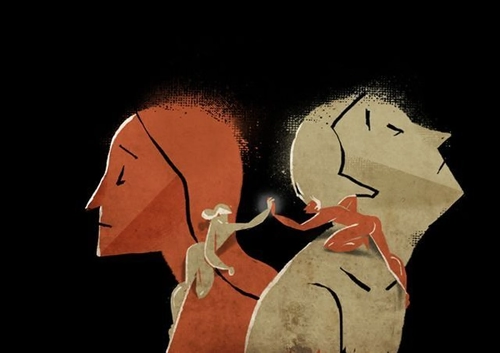
Hiding intentions is not always a sign of evil. It is often a survival strategy. People learn early that showing their real desires can make them vulnerable. If you admit you want the promotion, someone might sabotage you. If you admit you need love, someone might use it against you. If you admit you disagree, you might be rejected.
So people learn to mask. They say what sounds acceptable. They ask questions instead of making requests. They test the water before revealing their hand. Some do this with awareness. Others do it so naturally that they no longer notice they are doing it.
There is also self deception. Many people hide their intentions even from themselves. They tell themselves they are helping when they are controlling. They call it honesty when they are being cruel. They believe their own version of events because facing the truth would require them to change.
The Real Reasons People Keep Their Motives Hidden
Fear of vulnerability. To reveal what you want is to admit you can be hurt. Many people would rather keep their intentions vague than risk rejection or humiliation.
Self protection. If others know your next move, they can block it. In workplaces, families, and social circles, hidden intentions can be a form of armor.
Power and advantage. Information is power. The person who reveals less often holds more control. This is why negotiation, politics, and even romance can feel like a game of chess.
Social approval. People want to be liked. Saying “I want this” can sound selfish. Saying “I’m doing this for you” sounds noble. So motives get dressed up in acceptable language.
Avoiding conflict. Directness can start a fight. Many people hide their intentions to keep the peace, even when that peace is built on half truths.
Changing interests. Sometimes people do not hide their intentions on purpose. Their intentions change as their needs change. Loyalty, generosity, and even morality can shift when circumstances shift. What looked like a hidden agenda may simply be a person following their own interest.
How Hidden Intentions Show Up in Everyday Life
Hidden intentions rarely appear in one dramatic moment. They show up in patterns. A colleague who praises you publicly but withholds information privately. A friend who only reaches out when they need something. A partner who says “I’m fine” but punishes you with silence. A leader who claims to want honesty but reacts badly when you give it.
One odd comment may mean nothing. One strange reaction may mean nothing. But when words, choices, and behavior keep pointing in the same direction, that pattern deserves your attention. People reveal themselves through repetition, not through a single confession.
You do not need to confront every hidden motive. You do not need to accuse anyone. You simply need to notice. Notice who benefits when you stay confused. Notice who stays consistent when pressure rises. Notice who respects your boundaries and who treats them as obstacles.
Seeing the Patterns Without Becoming Cynical
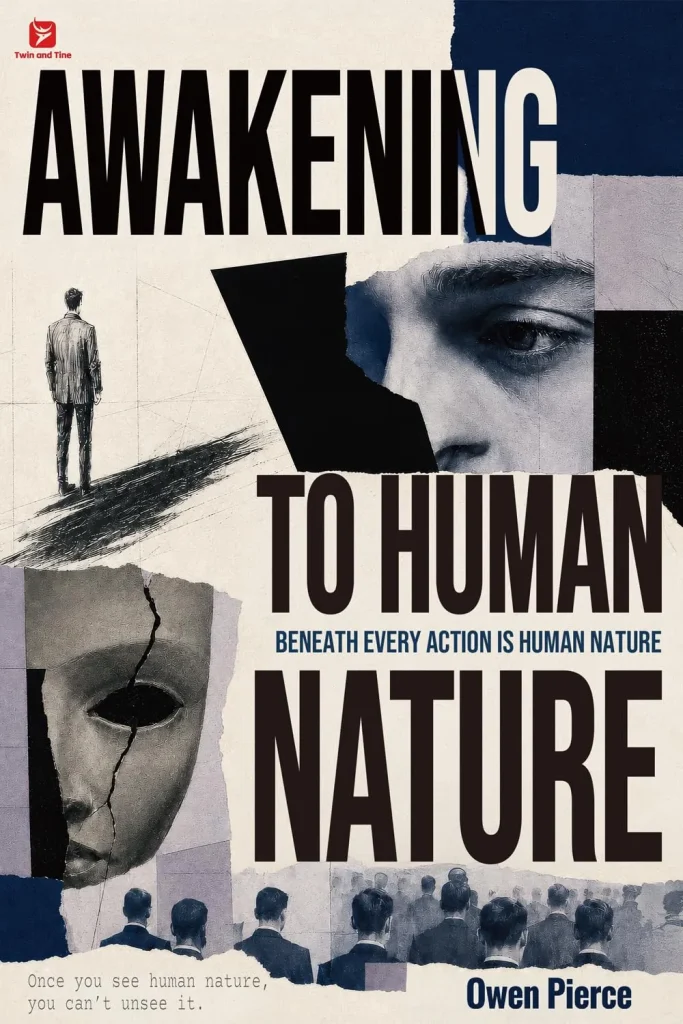
If you have ever understood someone only after they hurt or disappointed you, “Awakening to Human Nature“ by Owen Pierce was written for you. It is not a book about guessing what people think. It is about noticing what they repeatedly show you.
The book opens with a truth that many of us learn too late: people rarely reveal themselves in one dramatic moment. They reveal themselves through patterns. One comment may mean nothing. One strange reaction may mean nothing. But when words, choices, and behavior keep pointing in the same direction, that pattern deserves attention.
What the Book Explores
“Awakening to Human Nature” is built around three lenses: cognitive laws, emotional laws, and the laws of desire and interest. Each one helps you understand why people hide their intentions, even from themselves.
The Cognitive Side of Hidden Motives
In the section on cognitive laws, you will learn why the hardest people to read are not always the ones who lie. They are often the ones who believe their own version of reality. Ego, bias, status, and self deception quietly shape what people see as true. This explains why people defend contradictions, apply double standards, and reject uncomfortable truths even when the evidence is right in front of them.
The Emotional Side of Hidden Motives
The emotional laws show you that people often say they want honesty, but what they really want is to feel understood, respected, and emotionally safe. Expectations, validation, insecurity, and the need for recognition can shape reactions more strongly than logic. Once you see those emotional needs, you stop being surprised when people overreact, withdraw, or seek approval in ways that seem irrational.
The Interest Side of Hidden Motives
The laws of desire and interest reveal something even harder to accept: people can care about you and still choose themselves when their interests change. Loyalty, generosity, and cooperation are often influenced by need, scarcity, status, and shifting circumstances. This does not mean everyone is selfish. It means you can learn to judge relationships by what remains consistent when circumstances change.
Why This Book Feels Different
Most books about human behavior either flatter you or frighten you. “Awakening to Human Nature” does neither. It offers clear, grounded insight into the forces that shape everyday behavior. It helps you understand why people hide their intentions, why they betray, why they defend the indefensible, and why they sometimes hate the person who tells the truth.
You will not finish this book with a list of tricks for catching liars. You will finish it with something more valuable: a quieter, steadier ability to see people as they are, not as you wish they were. You will learn to trust the pattern, not the promise. You will learn to protect your energy without becoming bitter.
If you have ever understood someone only after they hurt or disappointed you, this book is your chance to turn that painful lesson into wisdom. It is not about becoming suspicious of everyone. It is about becoming honest about human nature, including your own.
You can find it below.
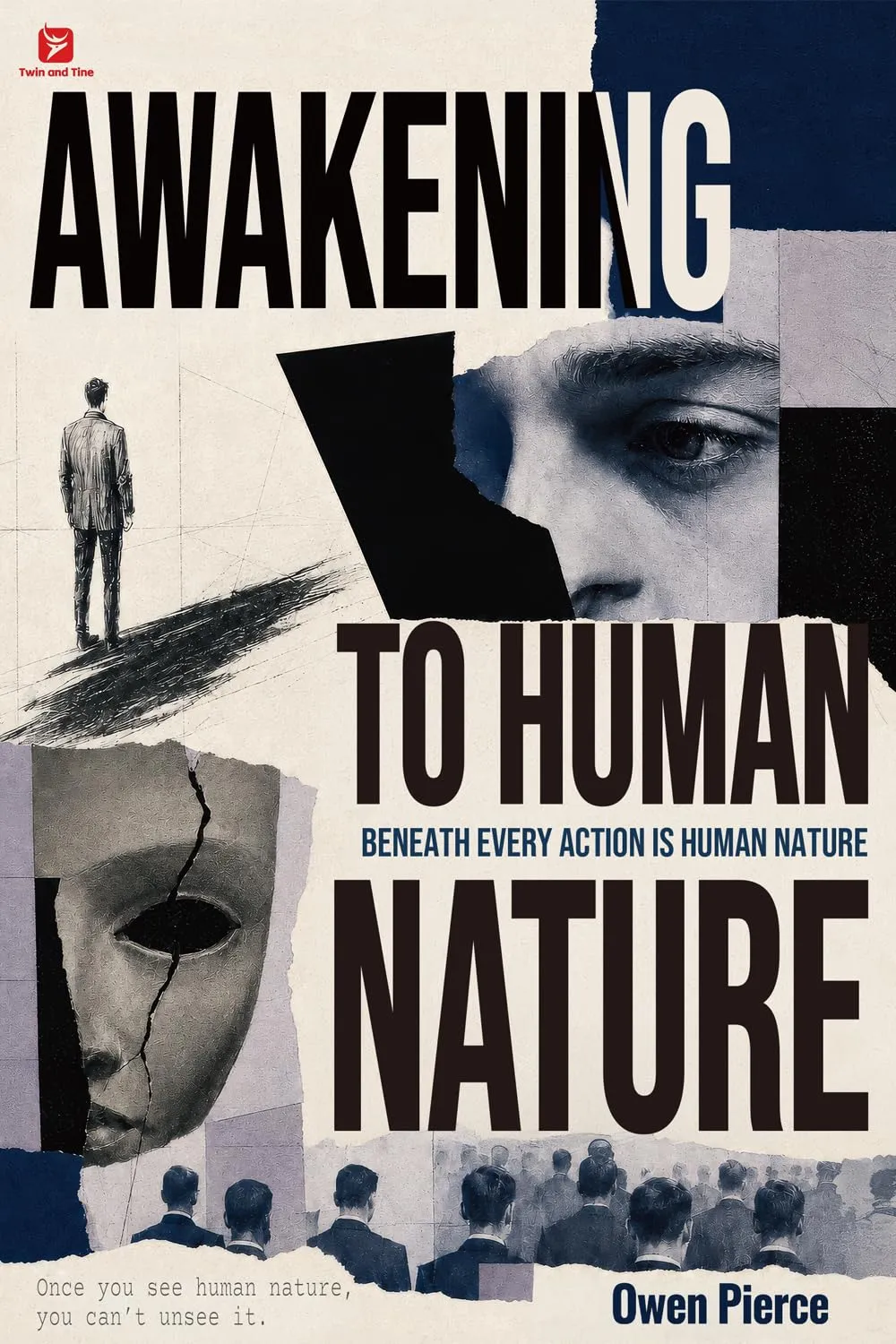
Awakening to Human Nature
You saw the signs. You just didn’t know what they meant yet.
Learn how to notice the patterns behind people’s words, choices, loyalty, pressure, and changing behavior.
You Can See Clearly Without Becoming Cold
Understanding why people hide their intentions does not mean you have to live in fear. It means you can stop blaming yourself for not knowing sooner. It means you can set boundaries without guilt. It means you can walk away from patterns that keep hurting you, not because you are bitter, but because you are finally paying attention.
People will always reveal themselves through patterns. The question is whether you are willing to see them. With the right insight, you can.
Your story is yours to write. Now is the perfect moment to begin.