You trusted someone. You gave them the benefit of the doubt. Then you watched them twist the truth, play on your guilt, or use your kindness against you. Looking back, the signs were there. You just didn’t know what they meant yet.
Manipulation is not always dramatic or obvious. It often hides behind charm, concern, or quiet pressure. To understand why people manipulate others, you have to look beneath the words and notice the patterns.
Why People Manipulate: The Roots of Control

People rarely manipulate for the simple pleasure of causing pain. More often, manipulation is a strategy born from fear, insecurity, or unmet needs. Someone who feels powerless may try to control others to feel safe. Someone who fears being exposed may twist facts to protect their image. Someone who craves validation may use guilt or flattery to keep you close.
There is also self-deception. Many manipulators do not see themselves as manipulative. They believe their own version of events. They convince themselves that they are the victim, the hero, or the one who is simply being practical. This is why confronting them with facts often fails. You are not arguing with reality. You are arguing with a story they need to believe.
And then there is interest. Loyalty, generosity, and even morality can shift when circumstances change. People can care about you and still choose themselves when their needs or incentives change. Understanding this does not mean becoming cynical. It means learning to judge relationships by what remains consistent when pressure rises.
How to Recognize Manipulation Without Losing Yourself
The first step is to stop listening only to words. Manipulators are often skilled with words. They explain, justify, flatter, and deny. But their behavior tells a different story. Watch for patterns. Does their support come with conditions? Does their kindness disappear when you set a boundary? Do they apply one standard to themselves and another to you?
Notice how you feel around them. Manipulation often leaves you confused, guilty, or constantly second-guessing yourself. That confusion is not an accident. It is a tool. When you feel off balance, you are easier to steer.
You do not have to confront every manipulator. In fact, many conflicts repeat because both sides believe they are being reasonable while speaking different emotional languages. Sometimes the wisest move is to step back, observe, and trust the pattern rather than the promise.
The Book That Helps You See the Patterns Clearly
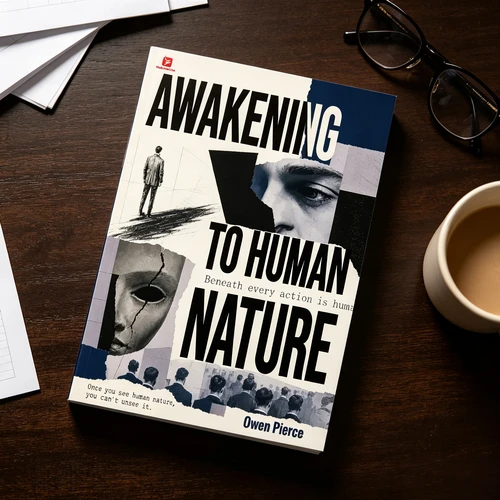
If you have ever wished you could understand people before they hurt you, “Awakening to Human Nature“ by Owen Pierce was written for you. It is not a book about guessing what people think. It is about noticing what they repeatedly show you.
The book opens with a simple truth: people rarely reveal themselves in one dramatic moment. They reveal themselves through patterns. One comment may mean nothing. One strange reaction may mean nothing. But when words, choices, and behavior keep pointing in the same direction, that pattern deserves attention.
What the Book Explores
“Awakening to Human Nature” is built around three powerful lenses: cognitive laws, emotional laws, and the laws of desire and interest. Each one helps you understand why people do what they do, even when it hurts you.
In the section on cognitive laws, you will learn why the hardest people to read are often not the ones who lie, but the ones who believe their own version of reality. Ego, bias, status, and self-deception quietly shape what people see as true. This explains why people defend contradictions, apply double standards, and reject uncomfortable truths even when the evidence is right in front of them.
The emotional laws show you that people often say they want honesty, but what they really want is to feel understood, respected, and emotionally safe. Expectations, validation, insecurity, and the need for recognition can shape reactions more strongly than logic. Once you see those emotional needs, you stop being surprised when people overreact, withdraw, or seek approval in ways that seem irrational.
The laws of desire and interest reveal something even harder to accept: people can care about you and still choose themselves when their interests change. Loyalty, generosity, and cooperation are often influenced by need, scarcity, status, and shifting circumstances. This does not mean everyone is selfish. It means you can learn to judge relationships by what remains consistent when circumstances change.
Why This Book Feels Different
Most books about human behavior either flatter you or frighten you. “Awakening to Human Nature” does neither. It offers clear, grounded insight into the forces that shape everyday behavior. It helps you understand why people manipulate, why they betray, why they defend the indefensible, and why they sometimes hate the person who tells the truth.
You will not finish this book with a list of tricks for catching liars. You will finish it with something more valuable: a quieter, steadier ability to see people as they are, not as you wish they were. You will learn to trust the pattern, not the promise. You will learn to protect your energy without becoming bitter.
If you have ever understood someone only after they hurt or disappointed you, this book is your chance to turn that painful lesson into wisdom. It is not about becoming suspicious of everyone. It is about becoming honest about human nature, including your own.
You can find it below.
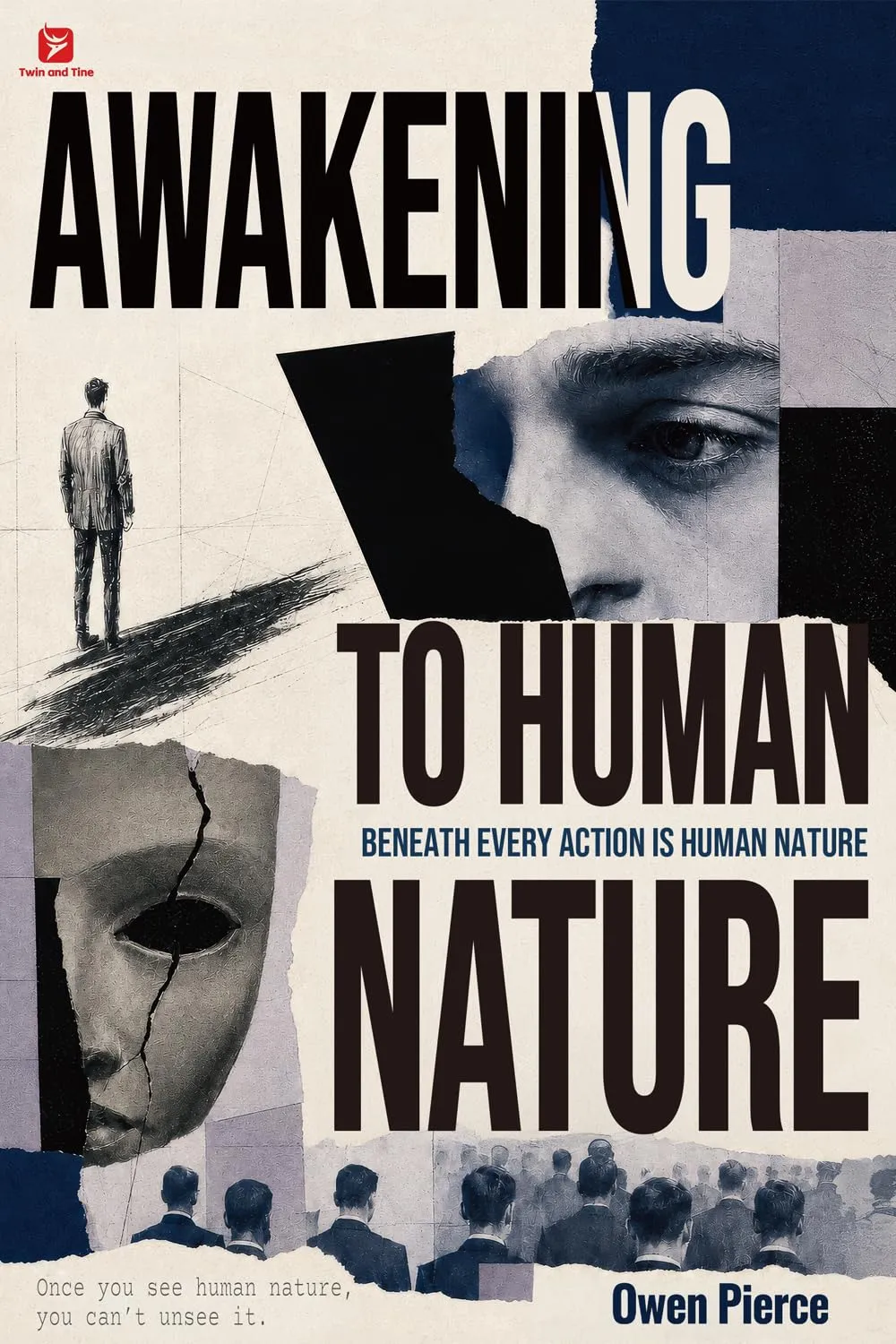
Awakening to Human Nature
You saw the signs. You just didn’t know what they meant yet.
Learn how to notice the patterns behind people’s words, choices, loyalty, pressure, and changing behavior.
You Can See Clearly Without Becoming Cold
Understanding why people manipulate others does not mean you have to live in fear. It means you can stop blaming yourself for not knowing sooner. It means you can set boundaries without guilt. It means you can walk away from patterns that keep hurting you, not because you are bitter, but because you are finally paying attention.
People will always reveal themselves through patterns. The question is whether you are willing to see them. With the right insight, you can.
Your story is yours to write. Now is the perfect moment to begin.