I covered for someone at work three times in one month. Each request came with a small apology. By the fourth time, the apology was gone. Just an expectation.
That was when I understood something. The problem was not that I was kind. The problem was that I had never shown anyone where kindness ended and availability began.
Quick Things to Try Today:
- Notice who asks and who never offers back.
- Say one no this week without explaining.
- Stop helping automatically before thinking about whether you want to.
- Pay attention to how you feel after helping. Energized or drained.

What Kindness Signals
Kindness communicates warmth. But human behavior is shaped by more than intentions. People also respond to what they can gain.
When someone always agrees, always forgives, and always makes things easier, others may start seeing that person less as someone they value and more as a resource they can access.
If you never say no, people learn your limits are flexible. If you accept inconvenience repeatedly, people learn inconvenience is acceptable. If you hide your own needs to keep the peace, people may assume those needs do not matter.
This does not always come from cruelty. Many people simply follow the patterns that are available to them. But some people consciously test how much they can take.
They start small. A favor here. A request there. They watch the response. If there is no resistance, the boundary moves further.
Why Good People Still Get Used
Many people believe being kind means others will naturally treat them well. But human nature does not always work that way.
People are influenced by self-interest, habits, emotions, and personal desires. Someone can appreciate your kindness while still taking advantage of it. Someone can enjoy your support while ignoring what it costs you.
The difficult truth is that understanding people requires looking beyond what they say. It requires noticing patterns:
Who only appears when they need something?
Who respects your boundaries?
Who values you when you are no longer useful?
Kindness becomes safer when it is combined with awareness.
Understanding the Human Side Behind These Behaviors
Why do some people push boundaries while others respect them?
Why do some people manipulate, hide their intentions, or take more than they give?
These questions are not only about kindness. They are about human nature itself.
People are often influenced by hidden motives, emotional needs, self-deception, and the desire to protect their own interests. Learning to recognize these patterns can help you understand not only others, but also your own reactions in relationships.
For readers who want to explore the deeper psychology behind human behavior, Awakening to Human Nature by Owen Pierce offers a closer look at the hidden forces that shape how people think, act, and interact.
The book explores how emotions, desires, social pressure, and self-deception influence everyday decisions — helping you recognize unhealthy dynamics and better understand the people around you.
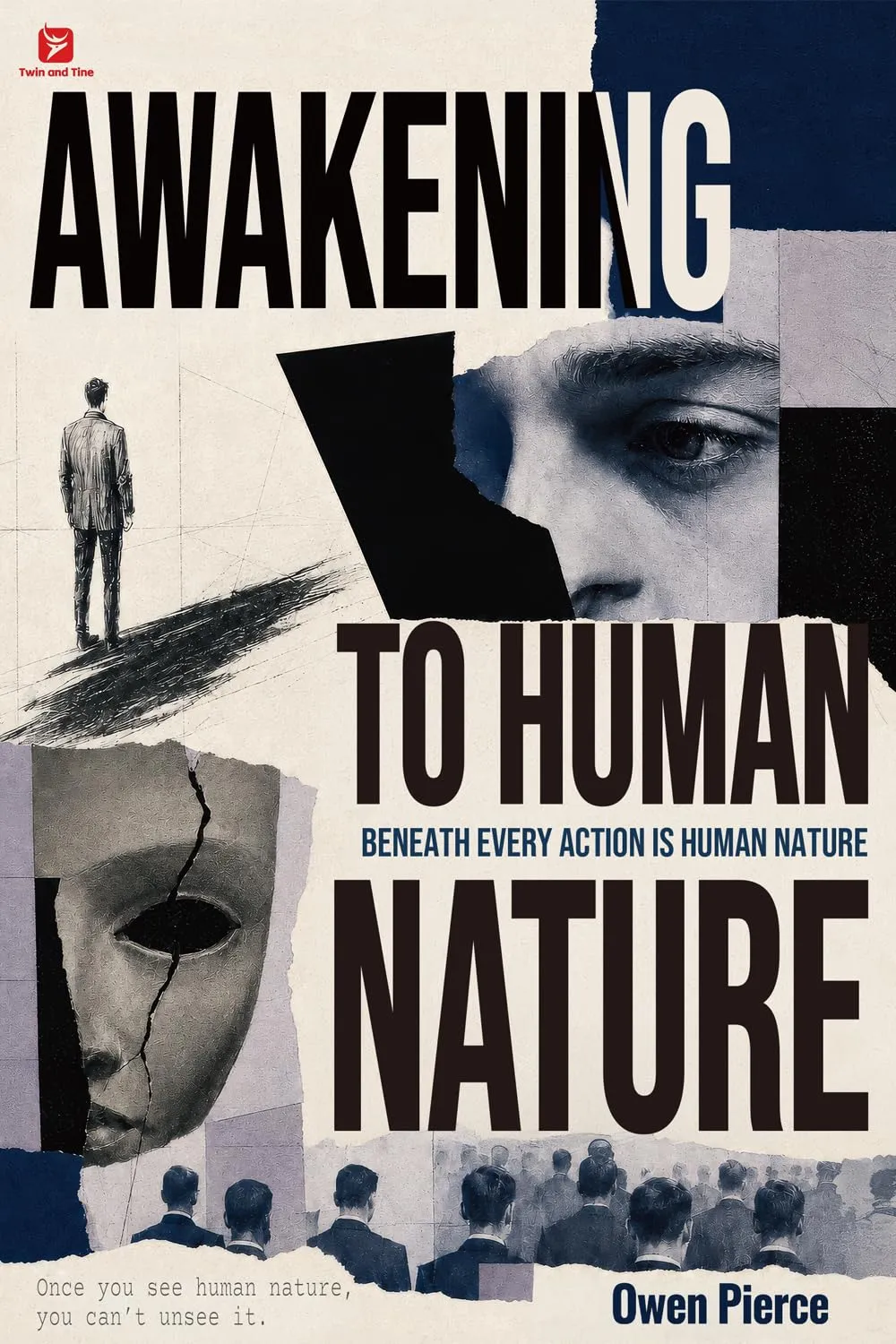
Awakening to Human Nature
You saw the signs. You just didn’t know what they meant yet.
Learn how to notice the patterns behind people’s words, choices, loyalty, pressure, and changing behavior.
What to Do About It
Set one boundary and observe the reaction.
Stop lending money. Stop answering messages at unreasonable hours. Notice what happens when you are no longer endlessly available.
Respectful people adjust. People who only benefited from your lack of boundaries often reveal themselves.
Stop explaining every no.
A long explanation gives others room to negotiate. A simple “I cannot this time” is enough.
Look at patterns, not promises.
Anyone can say they care. Their behavior over time tells you more.
Keep your kindness.
The goal is not to become suspicious of everyone. It is to become more aware. Kindness without awareness can make you vulnerable. Kindness with understanding becomes a strength.
FAQ
Q: Why do people take advantage of kindness?
Because people often respond to what is available. When there are no clear boundaries, some people gradually take more than they should.
Q: Should I stop being kind?
No. Kindness is valuable. The goal is not to become colder, but to understand people better and protect your own limits.
Q: How do I know if someone is using me?
Look for repeated patterns. Do they only contact you when they need something? Do they respect your needs as much as they expect you to respect theirs?
Q: How can I better understand people’s intentions?
Pay attention to actions, patterns, and motivations rather than words alone. Human behavior is often shaped by factors people do not openly admit.
One Last Thing
I still help people. I just stopped treating every request as an obligation.
Some people adapted. Some people disappeared. The difference was not that I became less kind. It was that I finally understood the relationship between kindness, boundaries, and human nature.
Because sometimes the best way to protect your kindness is to understand the people who receive it.