Why do people think, feel, and behave the way they do? Human psychology offers clues to our choices, emotions, and relationships.
Explore 30 books about human nature, covering cognitive biases, social influence, hidden motives, and more. Listed in no particular order, these books offer different ways to understand yourself and others.
-
#01
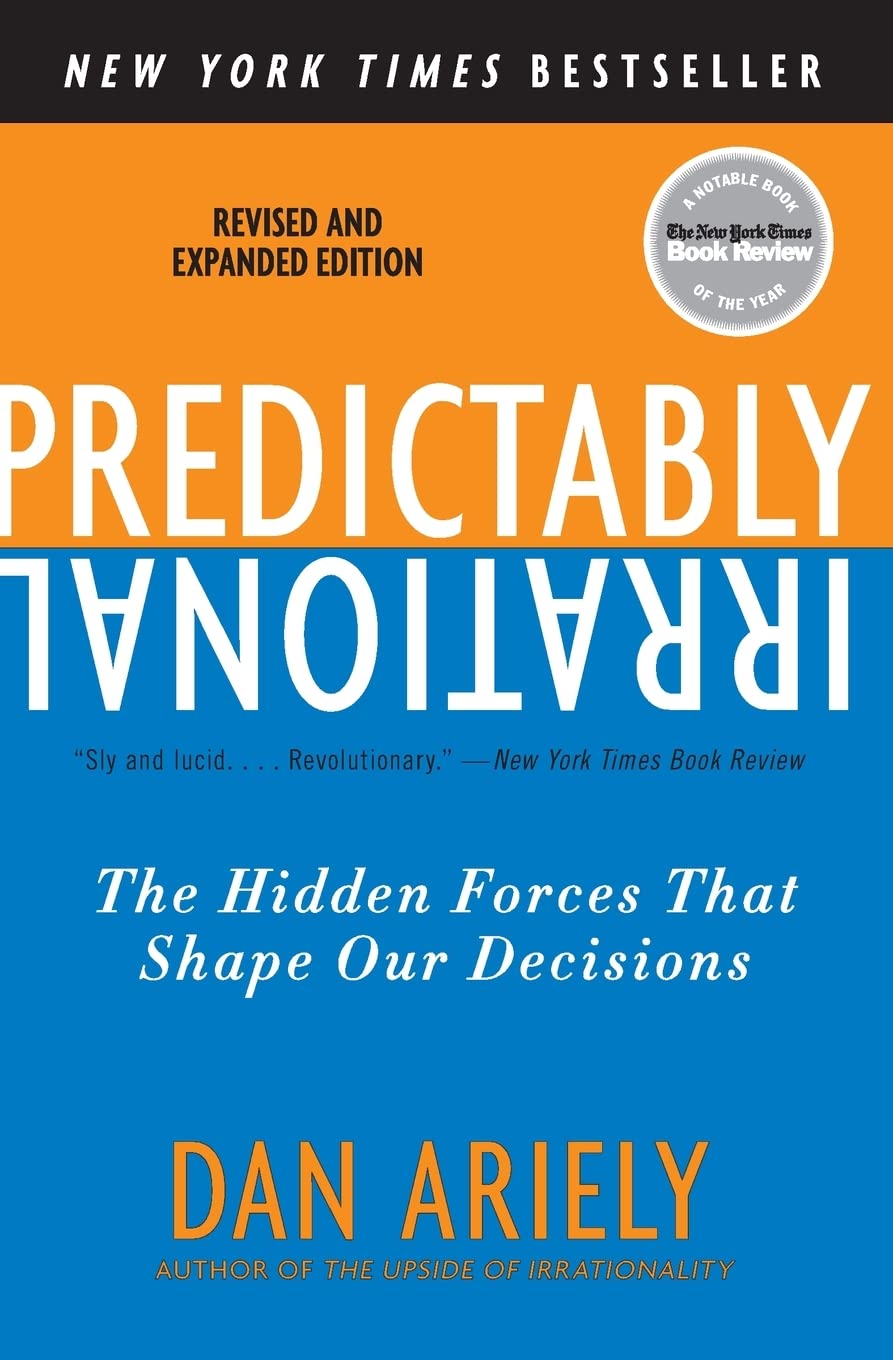
Predictably Irrational
Why do we make choices that go against our own interests? The answer is often less rational than we think.
-
#02
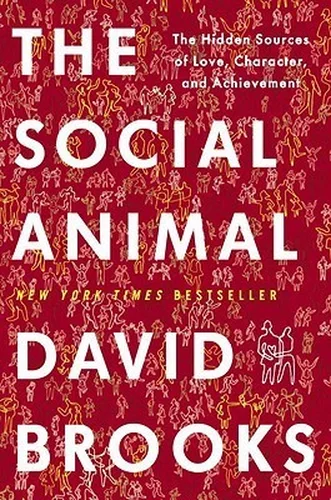
The Social Animal
David Brooks explores how unconscious influences, relationships, and early experiences shape personality, character, and the choices people make throughout life.
-
#03
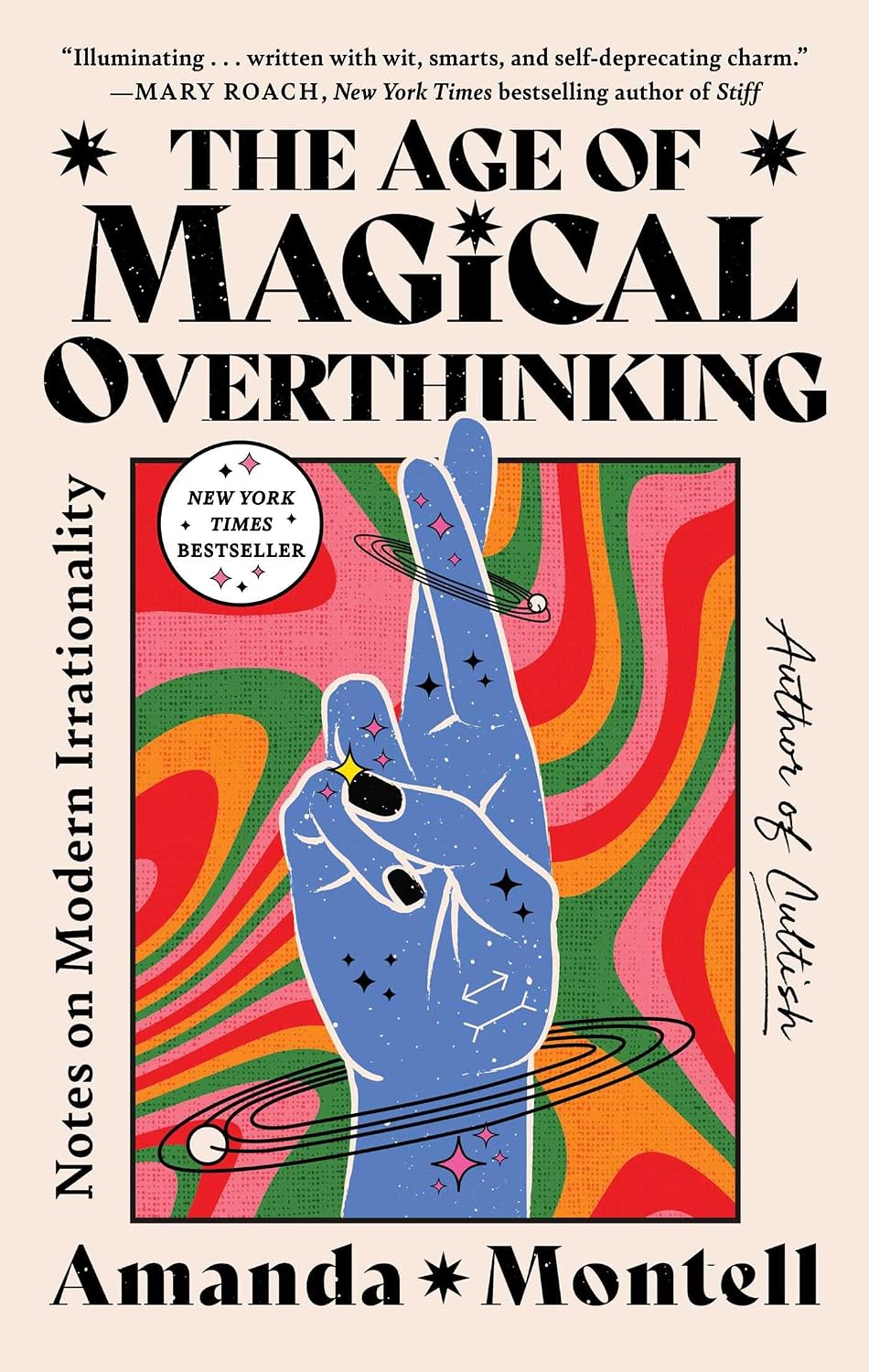
The Age of Magical Overthinking
From reading too much into a text to seeing patterns that aren’t there, overthinking has a surprisingly irrational side.
-
#04
 Add to Cart
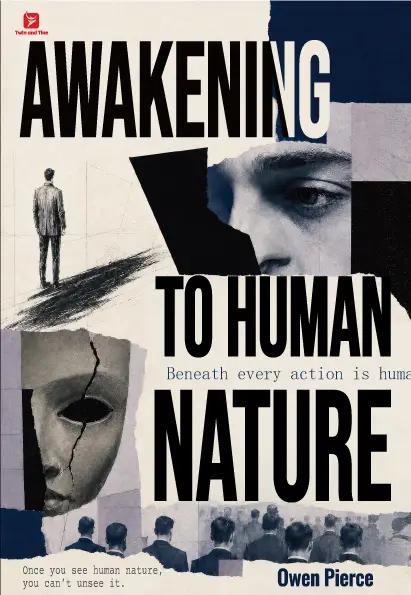
Awakening to Human Nature
Why do people defend double standards or change their behavior when their interests shift? Owen Pierce explores self-deception, emotional needs, and hidden motives to help readers recognize the deeper patterns behind everyday human behavior.
-
#05
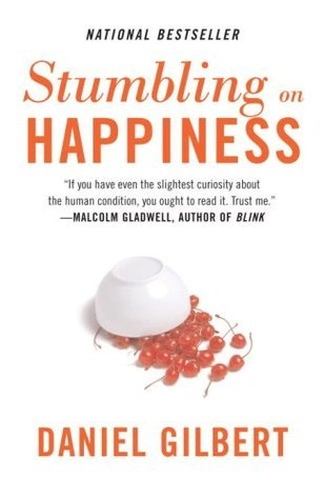
Stumbling on Happiness
Daniel Gilbert explores why we often misjudge what will make us happy, and how our minds shape expectations about the future.
-
#06
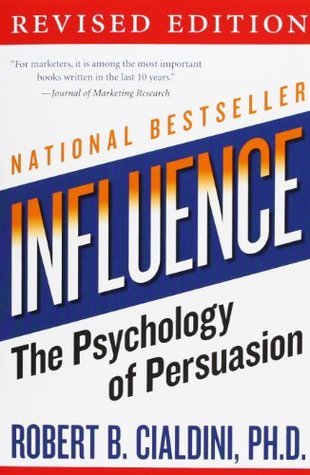
Influence: The Psychology of Persuasion
From social proof to reciprocity, Cialdini explains the psychological principles that influence our decisions and make persuasion effective.
-
#07
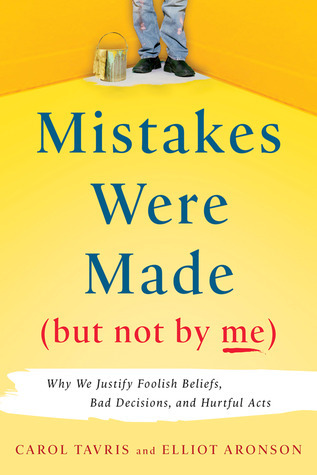
Mistakes Were Made (But Not by Me)
Why is admitting a mistake so difficult? This book explores cognitive dissonance and the ways people defend their choices, even when the evidence says otherwise.
-
#08
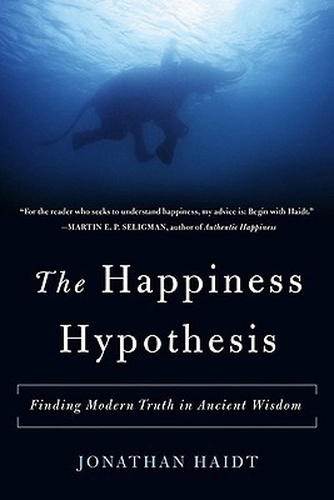
The Happiness Hypothesis
Jonathan Haidt draws on psychology and philosophy to explore happiness, relationships, morality, and the search for a meaningful life.
-
#09
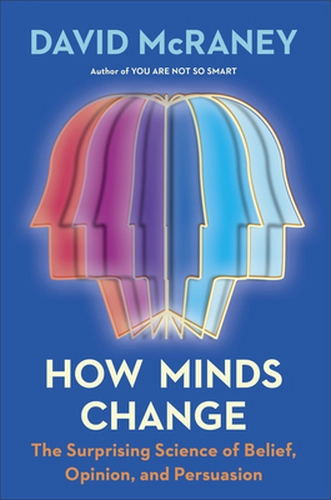
How Minds Change
David McRaney investigates what makes people reconsider deeply held beliefs and why facts alone rarely settle an argument.
-
#10
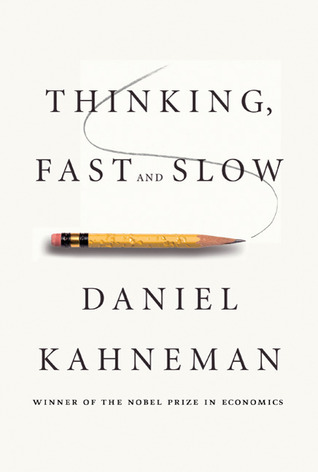
Thinking, Fast and Slow
A landmark exploration of intuitive and deliberate thinking, showing how mental shortcuts can help us make decisions and sometimes lead us astray.
-
#11
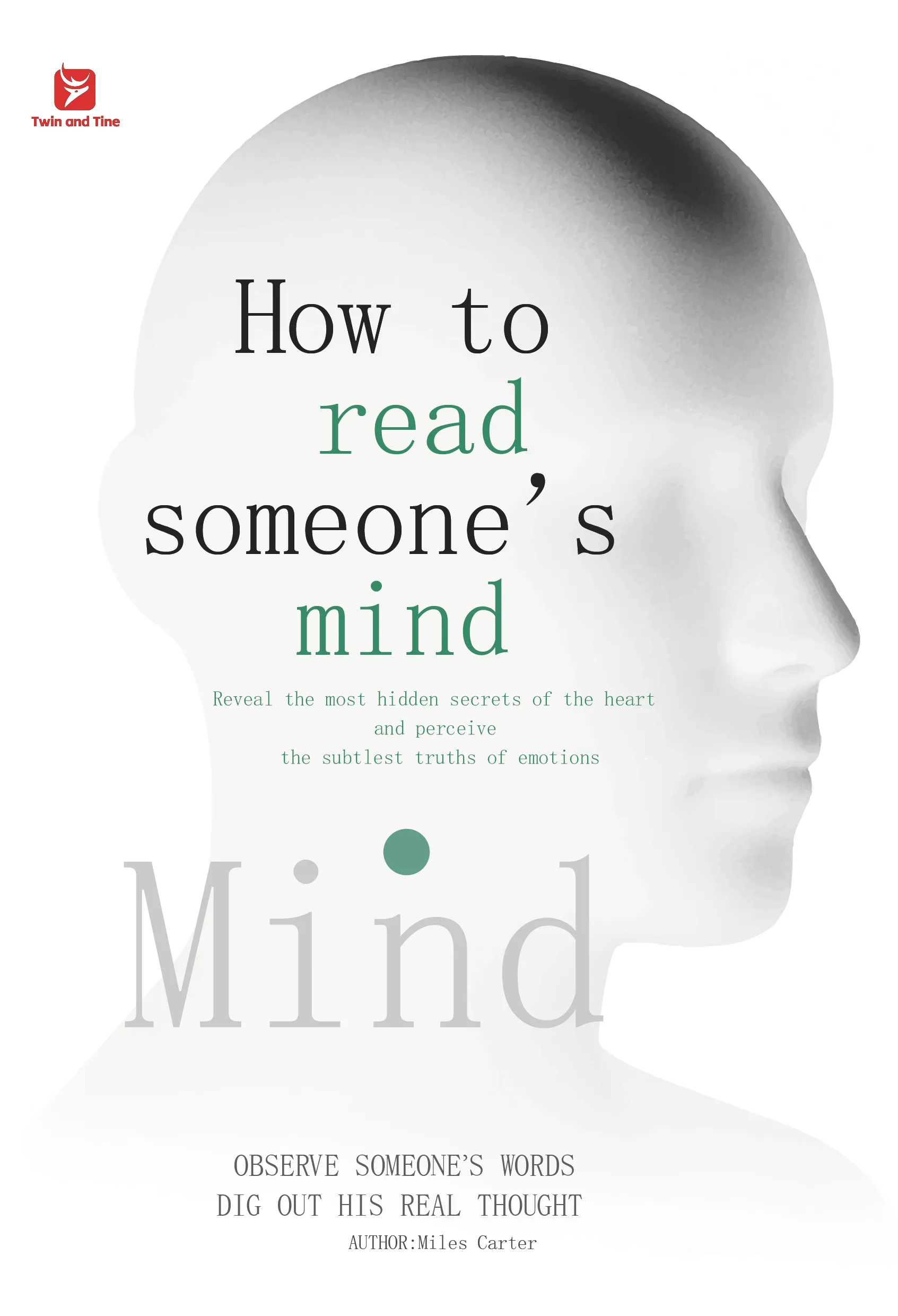 Add to CartHow to Read Someone’s Mind
Ever sensed that someone’s words don’t match their behavior? Miles Carter explores facial expressions, body language, tone of voice, and behavioral cues that can help readers better interpret emotions and social signals.
-
#12
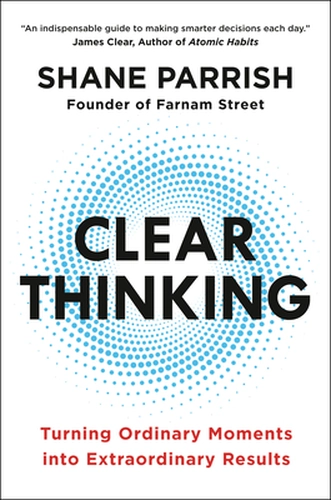
Clear Thinking
A practical guide to recognizing the impulses and mental habits that get in the way of good judgment, especially when decisions matter.
-
#13
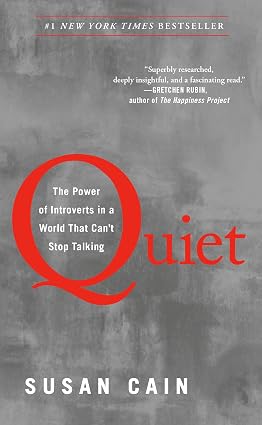
Quiet: The Power of Introverts in a World That Can’t Stop Talking
Susan Cain explores introversion and questions why outgoing personalities are often treated as the ideal, particularly in workplaces and social settings.
-
#14
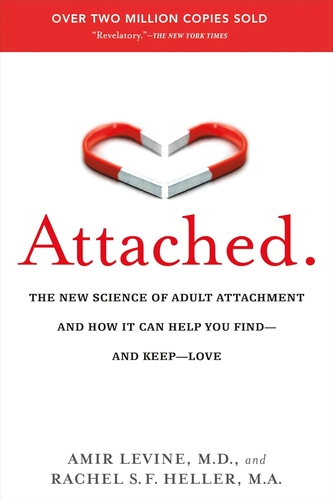
Attached
Using attachment theory, the authors explore how different attachment styles can shape romantic relationships, emotional needs, and responses to intimacy.
-
#15
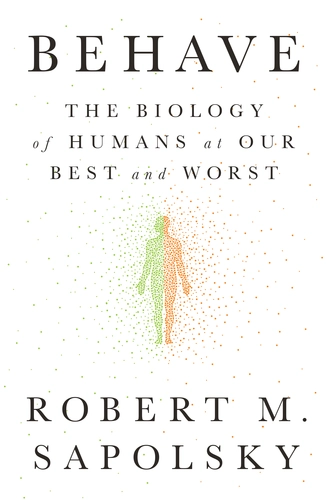
Behave
Why does a person act generously in one situation and aggressively in another? Sapolsky examines the biological, psychological, and social forces behind human behavior.
-
#16
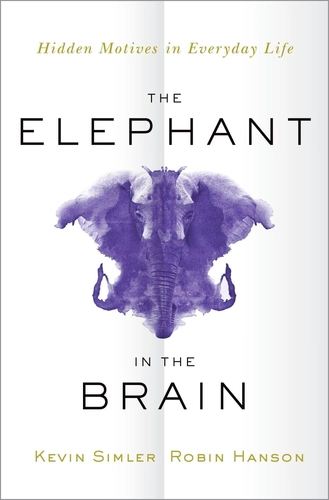
The Elephant in the Brain
This book asks an uncomfortable question: how much of our behavior is driven by motives we would rather not admit, including status, competition, and self-interest?
-
#17
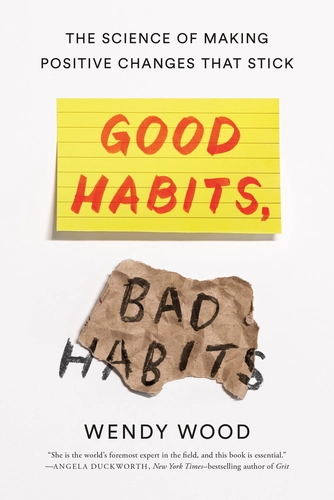
Good Habits, Bad Habits
Wendy Wood draws on behavioral research to explain why habits can be so persistent and how everyday environments influence what we do almost automatically.
-
#18
Emotional Intelligence
Understanding your own emotions and responding to other people’s feelings can matter as much as intellectual ability.
-
#19
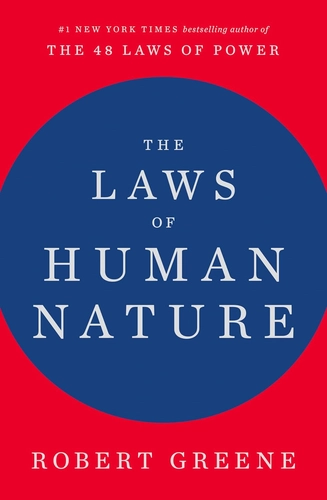
The Laws of Human Nature
Robert Greene examines recurring patterns in human motives, emotional reactions, and social behavior, with an emphasis on understanding yourself and the people around you.
-
#20
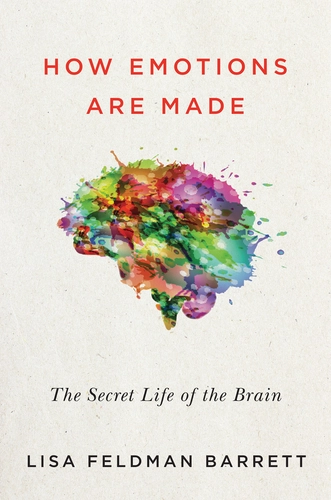
How Emotions Are Made
Lisa Feldman Barrett challenges common assumptions about emotions and explains how the brain, body, and past experiences work together to shape feelings.
-
#21
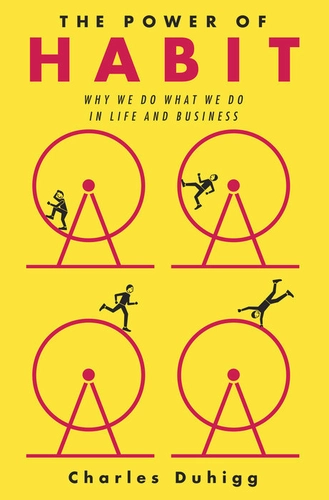
The Power of Habit
Habits follow patterns. Once you recognize the cues and rewards behind a routine, changing it becomes more manageable.
-
#22
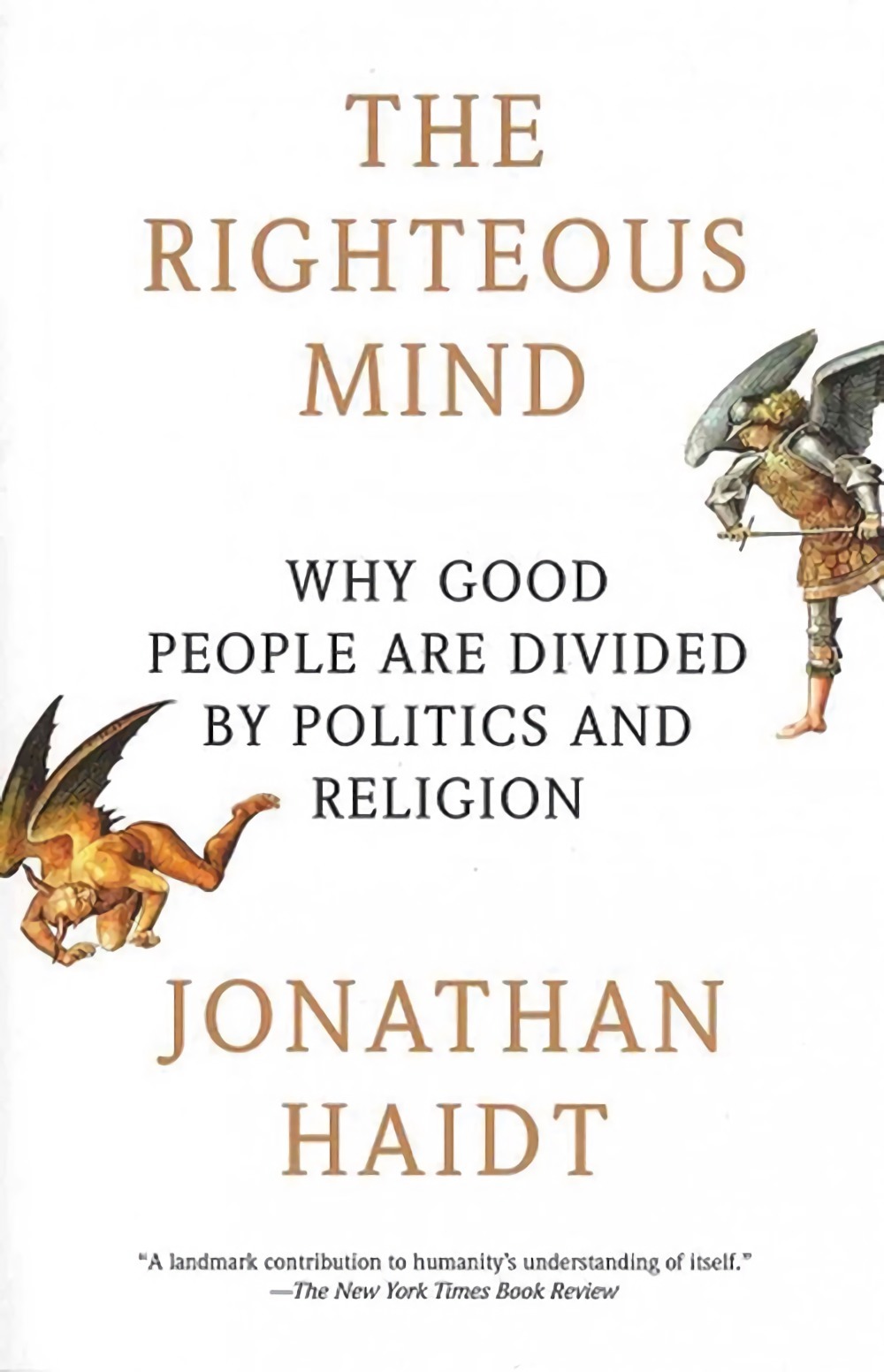
The Righteous Mind
Why can two reasonable people look at the same issue and reach opposite moral conclusions? Their values may shape what they see.
-
#23
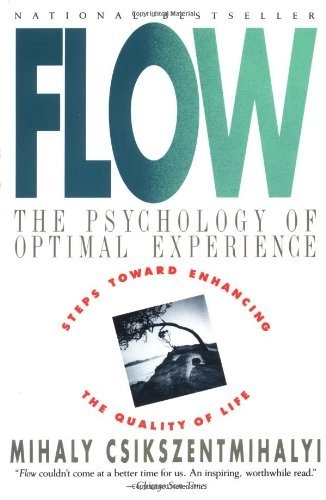
Flow: The Psychology of Optimal Experience
A study of the deeply absorbing state known as flow, when people become so engaged in an activity that their attention seems to take over completely.
-
#24
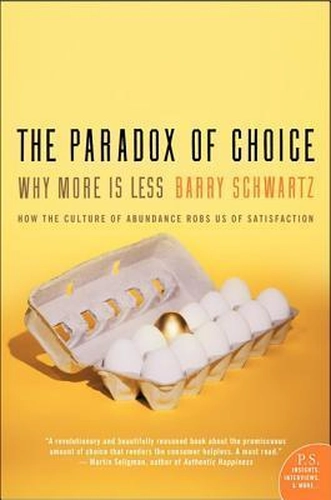
The Paradox of Choice
More options should mean more freedom, right? Barry Schwartz explores why an abundance of choices can make decisions harder and satisfaction more elusive.
-
#25
Games People Play
Repeated arguments and familiar relationship patterns may follow unspoken rules that neither person fully recognizes.
-
#26
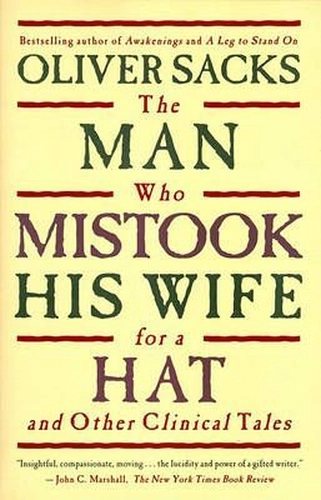
The Man Who Mistook His Wife for a Hat
Through remarkable neurological case studies, Oliver Sacks reveals how changes in the brain can transform perception, memory, identity, and a person’s experience of reality.
-
#27
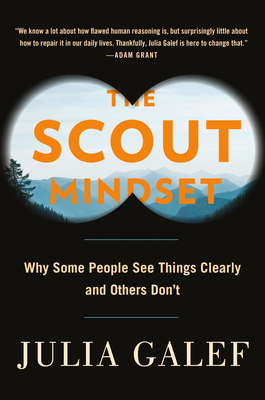
The Scout Mindset
Being right isn’t the same as seeing clearly. Learn to question your assumptions without treating every disagreement as a battle.
-
#28
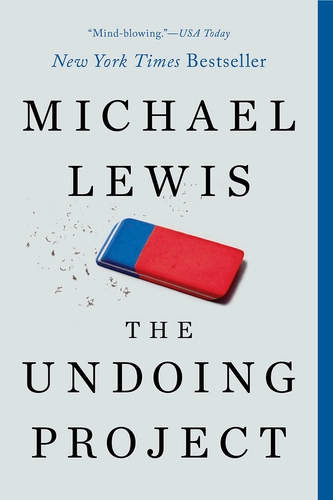
The Undoing Project
Michael Lewis tells the story of psychologists Daniel Kahneman and Amos Tversky, whose collaboration changed how researchers understand judgment, uncertainty, and decision-making.
-
#29
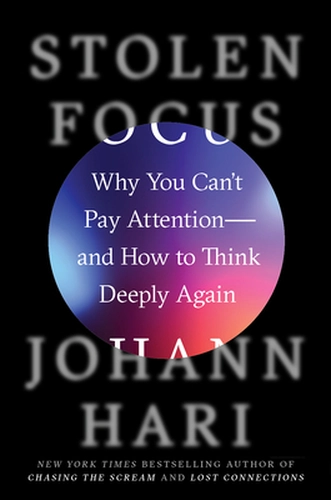
Stolen Focus
Johann Hari investigates why sustained attention has become increasingly difficult and examines the personal and societal forces competing for our focus.
-
#30
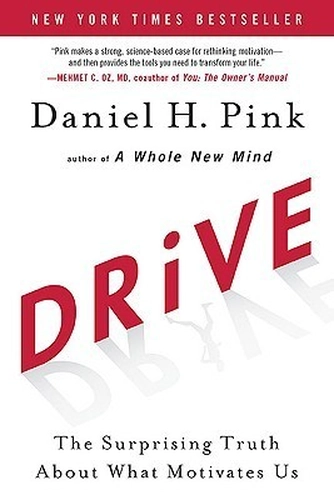
Drive: The Surprising Truth About What Motivates Us
Money and rewards aren’t the only things that motivate us. Autonomy, mastery, and purpose can be powerful drivers of behavior.